
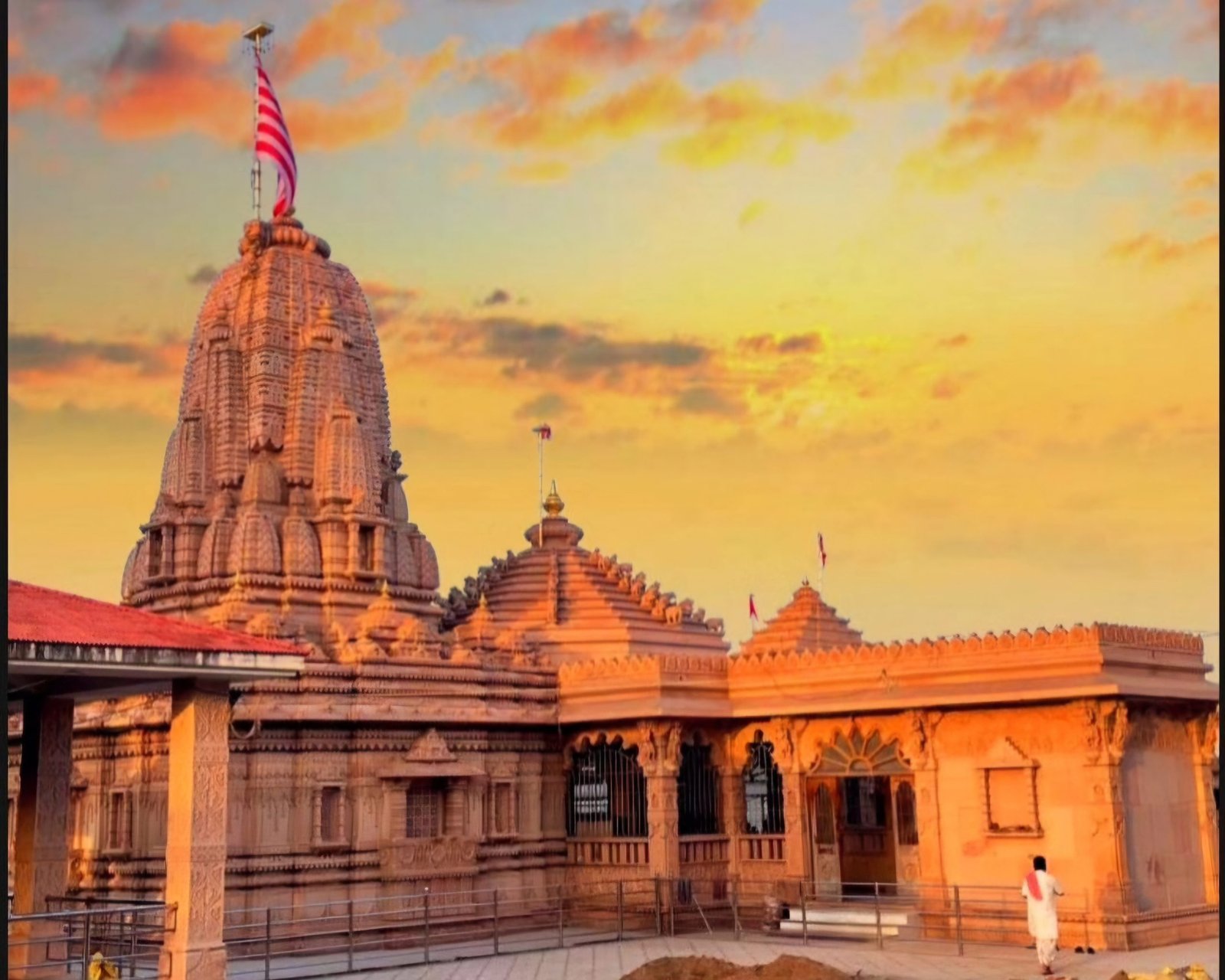
Navigating meal options during a pilgrimage to the holy seat of Maa Ashapura in Kutch demands clear, reliable information. Knowing the precise Mata No Madh Bhojanalay Timings ensures your sacred journey remains smooth, well-nourished, and stress-free. Every single day, thousands of devotees travel to this ancient shrine situated in the heart of Lakhpat Taluka. To serve these visiting pilgrims, the historic Matanamadh Jagir Trust operates a massive dining facility that offers complimentary, wholesome, pure-vegetarian Mahaprasad to every visitor without any discrimination.
Whether you arrive on early-morning state transport buses booked via the official GSRTC Portal or drive down the express corridor from Bhuj, planning where and when to eat—from the traditional trust dining complex to regional highway eateries—is vital. At matanamadh.in, we deliver verified operational hours, ground guidelines, food breakdowns, and local stall reviews updated for 2026.

Table of Contents
Section 1: Free Trust Bhojanalay Overview & Operational Philosophy
The dining system at Mata No Madh is deeply rooted in the Sanatan tradition of Annadana (the sacred distribution of food). Managed by the Matanamadh Jagir Trust under the spiritual oversight of the Raj Bawa (Gaadi Pati), the Bhojanalay acts as a sanctuary for pilgrims traversing the desert landscape of Kutch.
The core structure of this kitchen administration focuses on seamless service and high throughput during meal windows:
- Morning Mahaprasad Session: 11:00 AM to 02:00 PM
- Primary offerings: Fresh Wheat Phulka Rotli, Gujarati Tuver Dal, Steamed Rice, Seasonal Sabzi, and Spiced Kutchi Chaas.
- Evening Mahaprasad Session: 07:00 PM to 09:30 PM
- Primary offerings: Bajra Rotla, Desi Kathol (Legumes), Masala Khichdi, Gujarati Kadhi, and Sweets on special occasions.
Historical Tradition of Annadana in Madh
Offering free food to travelers in Mata No Madh dates back centuries, established under the historical patronage of the Royal Family of Kutch. Located along arid travel routes, the village of Madh has always been a beacon of refuge. Today, the modern Bhojanalay complex—situated right near the main temple approach road—can seat hundreds of pilgrims simultaneously in clean, organized rows.
Operational Scale & Daily Capacity
On standard weekdays, the Jagir Trust Bhojanalay prepares meals for approximately 3,000 to 5,000 pilgrims. During weekend rushes, Poonam (full moon) observances, and school holiday periods, this count expands to over 12,000 meals daily. Throughout the mega Ashvin Navratri festival, the Trust scales up operations to serve upwards of 50,000 to 100,000 devotees per day using continuous kitchen shifts.
Funding and Donation Integrity
The Bhojanalay runs entirely on voluntary contributions (Gupt Dan and official trust donations) offered by visiting devotees. The Jagir Trust charges no mandatory fees for meals. Visitors who wish to contribute toward the Annadana fund can visit the official donor counters inside the trust administration office adjacent to the dining hall. Official stamped receipts are issued for all contributions.
Section 2: Exact Mata No Madh Bhojanalay Timings (Daily & Navratri 2026)
To ensure you do not miss the complimentary Mahaprasad service, devotees should plan their arrival according to the fixed daily operating hours maintained by the Jagir Trust.
Detailed Daily Operating Schedule
During standard months, the Trust Bhojanalay operates strictly across two defined time slots:
- Lunch Service: Token counters open at 10:30 AM and dining hall gates open at 11:00 AM. Gates close promptly at 02:00 PM so kitchen staff can clean and sanitize the facilities.
- Dinner Service: Token distribution resumes at 06:30 PM, with dining gates opening at 07:00 PM following the evening Sandhya Aarti. The service concludes at 09:30 PM.
The daily operational flow proceeds as follows:
- 10:30 AM: Morning Token Counter opens at the Bhojanalay entrance.
- 11:00 AM: Lunch service begins with the first seating batch.
- 01:30 PM: Final lunch batch queues up.
- 02:00 PM: Afternoon service closes for deep cleaning and meal prep.
- 06:30 PM: Evening Token Counter opens.
- 07:00 PM: Dinner service starts post Sandhya Aarti.
- 09:30 PM: Evening service wraps up for night sanitation.
Special Navratri Timings 2026 (Ashvin & Chaitra)
During the major Navratri festivals, standard time limits are lifted to accommodate the surge of foot pilgrims (Padyatris) walking to Mata No Madh.
During Navratri festival periods:
- Dining operations run virtually non-stop from 09:00 AM until 02:00 AM the following morning.
- Separate dining spaces are assigned exclusively for devotees observing religious fasts (Upvas).
- Padyatris receive fast-track access to dining halls to minimize standing time after long walks.
Section 3: What to Expect: Menu Breakdown & Daily Mahaprasad Items
Meals served at the Matanamadh Jagir Trust Bhojanalay are 100% pure vegetarian (Satvik), prepared strictly without onions, garlic, or artificial additives. Dishes are designed to be wholesome, digestible, and nutritious for travelers.
Kitchen Hygiene & Ingredient Quality
- Steam Cooking Technology: Large stainless steel steam kettles are utilized to cook dal and rice uniformly, maintaining hygienic standards for bulk preparations.
- Quality Ingredients: Cooking uses double-filtered groundnut oil, while sweets and rotis are brushed with pure cow ghee.
- Nutritional Balance: Menus balance plant proteins, healthy complex carbohydrates, and probiotic dairy items like buttermilk, ensuring digestive ease for pilgrims.
Section 4: Rules, Token System, Hygiene Standards, and Hall Etiquette
To manage thousands of diners daily, the Jagir Trust enforces clean, orderly dining room procedures.
- Step 1: Token Collection — Direct your party to the counter outside the dining hall to pick up free tokens.
- Step 2: Hand & Foot Washing — Wash your hands and feet at the dedicated water taps before stepping inside.
- Step 3: Seating in Pangat — Follow volunteer instructions to sit in organized rows on clean floor mats.
- Step 4: Mahaprasad Service — Sewadars serve fresh hot food directly into your stainless steel plate (Thali).
- Step 5: Responsible Cleanup — Consume all food without waste and drop your plate at the wash collection point.
Essential Dining Guidelines
- Zero Food Wastage Policy: Mahaprasad is considered sacred. Devotees are asked to accept only what they can finish. Leaving leftover food on plates is strongly discouraged.
- Dress Code & Shoe Removal: Modest clothing is expected in the dining hall. Footwear must be left outside at the designated free shoe stand (Juta Ghar).
- Free Token Entry: Entry tokens are distributed free of charge to monitor room capacity and seating order. No payments or tips should be given to dining personnel.
Section 5: Top Local Stalls & Highway Dhabas Near Mata No Madh
If you arrive outside official Mata No Madh Bhojanalay Timings, or wish to sample regional Kutchi culinary specialties, several local eateries and dhabas operate nearby.
Local Street Food Highlights
- Famous Kutchi Dabeli: Originating in Kutch, this popular street snack features spiced potato mash inside a soft bun, toasted with butter and garnished with pomegranate seeds, tutty-fruity, and roasted peanuts. Vendors near the temple gates serve hot Dabelis throughout the day.
- Kathiyawadi Rotla & Bharta: Local dhabas serve thick, hand-patted pearl millet flatbreads cooked over open flames, served alongside smoky roasted eggplant mash (Ringan Bharta), fresh garlic chutney, and white butter.
- Kulhad Milk & Masala Tea: Early morning pilgrims can enjoy steaming cups of spiced cardamom tea or rich saffron milk brewed in large copper vessels at the village square.
Section 6: Dietary & Health Considerations for Pilgrims
Traveling through the arid landscape of Kutch requires extra attention to digestion, hydration, and meal timing. Whether you rely on the Jagir Trust Mahaprasad or private dhabas around Mata No Madh, keeping your body energized and comfortable ensures a smooth pilgrimage.
Digestibility of Satvik vs. Commercial Foods
The Mata No Madh Bhojanalay Timings are designed to support a healthy daily digestive rhythm. The morning lunch (11:00 AM – 2:00 PM) features light, well-cooked wheat Phulkay and Tuver Dal, which provide steady carbohydrates without causing heavy post-meal fatigue. The evening meal emphasizes Bajra Rotla and Khichdi, both traditional Kutchi staples that release energy slowly overnight.
- Oil & Spice Levels: Trust meals use minimal oil and basic spices (cumin, mustard seeds, turmeric), making them exceptionally safe for children, seniors, and pilgrims with sensitive stomachs. Commercial dhabas often use higher levels of red chili and oil, which can cause acidity in hot weather.
- Fasting Friendly Options: During religious fasting days (Ekadashi, Poonam, Navratri), the Bhojanalay serves specialized Farali ingredients like Moraiyo (Sama millet) and Sabudana. These light items prevent sudden blood sugar drops during long waits in darshan queues.
Hydration & Beverage Safety
Kutch experiences high daytime temperatures for most of the year. Staying properly hydrated is vital while moving between the parking area, trust dining complex, and main temple courtyard.
- Potable Water Points: The Jagir Trust provides clean, RO-filtered drinking water stations near the dining hall entrance and main temple exits. Carry a reusable stainless steel bottle to refill at these dedicated points.
- Local Chaas (Kutchi Buttermilk): Consuming chilled buttermilk spiced with roasted cumin seed powder and black salt is the most effective traditional remedy against thermal fatigue. Avoid artificial cold drinks sold at roadside stalls in favor of fresh Chaas or coconut water.
- Packaged Mineral Water: If buying bottled water from local stalls, ensure the cap seal is intact and check for ISI certification markings on the label.
Section 7: Navratri & Special Event Catering Logistics
During the biannual Navratri celebrations (Ashvin and Chaitra), Mata No Madh transforms into a massive spiritual center hosting hundreds of thousands of devotees. The Matanamadh Jagir Trust scales up kitchen operations to maintain an uninterrupted supply of meals.
Continuous Fasting (Farali) Kitchen Operations
During festival days, standard meal windows give way to round-the-clock service. The trust operates dedicated Farali preparation lines to cater strictly to fasting devotees.
- Separate Cookware & Kitchens: The Trust sets up independent cooking vessels and preparation zones exclusively for Farali ingredients to strictly maintain religious purity.
- Key Menu Offerings: Fasting meals feature Rajgira Puri, Singada Shira, Moraiyo (barnyard millet khichdi), boiled potatoes spiced with rock salt (Saindhav Salt), fresh curd, and banana slices.
- High-Volume Output: Over 1,500 kg of Sabudana and 2,000 liters of fresh milk are processed daily during peak Navratri days to support continuous batch dining.
Foot Pilgrim (Padyatri) Service Facilities
Every Ashvin Navratri, tens of thousands of foot pilgrims walk hundreds of kilometers from cities like Bhuj, Rajkot, Gandhidham, and Ahmedabad toward Mata No Madh.
- Highway Service Camps (Sewa Camps): Dozens of voluntary organizations set up free food and refreshment stalls along State Highway 6 (Bhuj-Madh Highway) and the Nakhatrana corridor. These camps offer free hot tea, milk, glucose drinks, fruit, and foot massage facilities.
- Priority Queue Management: Arriving Padyatris are provided fast-track entry passes to the dining halls, allowing them to eat, hydrate, and rest without standing in standard public queues after days of continuous walking.
Section 8: Detailed Cost Comparison & Budgeting Guide
Budgeting for meals in Mata No Madh depends on whether you utilize the free trust dining services, dine at local dhabas, or sample village snacks. Below is an itemized breakdown to help plan travel expenses.
Estimated Daily Food Budget for a Family of Four
- Option A (Trust-Based Minimal Budget): ₹150 – ₹300 per day total (covering morning tea, snacks, and small voluntary donations at the dining counter).
- Option B (Mixed Dining Budget): ₹600 – ₹1,000 per day total (Trust lunch, local dhaba dinner, and regional snacks/drinks).
- Option C (Full Private Dining): ₹1,200 – ₹1,800 per day total (Restaurant thalis for both lunch and dinner plus specialty Kutchi items).
Section 9: Nearby Food Destinations & Culinary Stops
If you are traveling to Mata No Madh as part of a broader Kutch pilgrimage itinerary, several nearby towns offer notable regional food experiences.
Nakhatrana (30 km from Mata No Madh)
Nakhatrana serves as the primary commercial hub between Bhuj and Mata No Madh. It is famous across Gujarat for authentic Kutchi breakfast items and roadside dhabas.
- Kutchi Pakwan & Dabeli: Local sweet shops in Nakhatrana main market serve fresh Pakwan paired with spicy yellow chickpea curry, alongside iconic local Dabeli stalls.
- Kathiyawadi Thali Dhabas: Highway eateries surrounding Nakhatrana junction specialize in smoky Ringan no Oro (roasted eggplant), Baajri no Rotlo, and raw mustard-spiced chili pickle.
Dayapar & Lakhpat (35–45 km from Mata No Madh)
Heading further west toward the historical border town of Lakhpat, commercial food stalls become sparse.
- Dayapar Market: Offers basic Punjabi and Gujarati eateries. It is advisable to finish your main lunch at Mata No Madh before proceeding toward the ghost city of Lakhpat or Narayana Sarovar.
- Narayana Sarovar Trust Dining: Similar to Mata No Madh, the holy pilgrimage site of Narayana Sarovar offers free trust meals for visiting devotees during fixed lunch and dinner hours.
Section 10: Step-by-Step Practical Visitor Checklist
Follow this quick reference checklist to ensure a seamless dining experience in Mata No Madh:
- Check Operating Windows: Confirm the current Mata No Madh Bhojanalay Timings (Lunch: 11:00 AM – 2:00 PM | Dinner: 7:00 PM – 9:30 PM).
- Collect Tokens Early: Arrive at the counter 15–20 minutes before gate opening during weekends or peak holiday periods.
- Use Shoe Safe Counter: Store shoes at the free Juta Ghar outside the dining complex before queueing up.
- Practice Zero Waste: Accept only the portions you intend to finish to honor the Mahaprasad sanctity.
- Carry Cash for Local Stalls: Small tea stalls, Dabeli vendors, and highway dhabas in Madh village primarily operate on cash or basic UPI QR code payments.
Section 11: Comprehensive Travel & Logistics Integration for Dining Planning
Properly aligning your meal breaks with transport schedules is essential when visiting Mata No Madh. Because the village is located in a rural sector of Kutch, public transit, private vehicle routes, and temple queue dynamics directly dictate when and where you should plan to eat.
Aligning Meals with Bus Timings (GSRTC & Private Travel)
The majority of pilgrims arrive via Gujarat State Road Transport Corporation (GSRTC) express and gurjarnagri buses originating from major transport hubs across the state.
- Early Morning Bus Arrivals (05:00 AM – 08:00 AM): Bus services arriving from Ahmedabad, Rajkot, or Vadodara drop passengers at the main Mata No Madh bus stand. At this hour, the Jagir Trust Bhojanalay is closed. Pilgrims can access morning tea stalls and breakfast outlets near the bus stand serving hot cardamom tea, toasted maskabun, and fresh fardali/Kutchi snacks.
- Mid-Day Arrivals (11:00 AM – 01:30 PM): Direct buses arriving from Bhuj or Nakhatrana hit the village square right during the prime Mata No Madh Bhojanalay Timings for lunch. It is highly recommended to proceed directly to the trust dining hall to secure entry tokens before entering the main temple Darshan line, especially during peak afternoon hours.
- Evening & Night Departures (06:00 PM – 09:00 PM): Return buses heading back to Bhuj or onward destination hubs typically depart between 07:30 PM and 09:30 PM. To avoid missing your departure or skipping dinner, aim to complete Darshan by 06:30 PM and enter the dinner hall as soon as gates open at 07:00 PM.
Driving & Parking Strategy relative to Dining Complex
For devotees traveling in personal cars or rented private vehicles via State Highway 6:
- Parking Area Location: The central designated parking lot is situated approximately 400 meters from the main temple complex and around 300 meters from the Jagir Trust Bhojanalay.
- Walking Considerations: The path from the parking bay to the dining hall is flat and paved, but lacks overhead shade along certain segments. During summer months (March to June), schedule your walk to the dining facility early in the 11:00 AM window to avoid peak afternoon ground heat.
- Vehicle Storage of Belongings: Store heavy baggage, extra footwear, and personal leather items inside your locked vehicle prior to walking to the dining hall, as storage facilities at the Bhojanalay entrance are limited to basic shoe racks.
Section 12: Frequently Asked Questions (FAQs) – Dining & Bhojanalay
Section 13: Summary Guidelines for First-Time Pilgrims
- Prioritize Trust Timings: Plan your overall arrival and Darshan window around the Mata No Madh Bhojanalay Timings (11:00 AM – 2:00 PM for lunch; 7:00 PM – 9:30 PM for dinner) to experience authentic, hygienic, free Mahaprasad.
- Observe Local Customs: Remove footwear before entering dining quarters, maintain quiet orderliness while seated in the Pangat, and avoid wasting food served on your plate.
- Explore Regional Flavors: If arriving between dining windows, sample local Kutchi street specialties like fresh Dabeli, buttered Maskabun, and cold spiced Chaas from established village vendors.
- Stay Hydrated: Carry clean water bottles and utilize the RO filtration stations located around the main temple complex.