
Planning a pilgrimage to the revered shrine of Deshdevi Maa Ashapura at Mata No Madh in Kutch opens up a deeper spiritual landscape across western Gujarat. While thousands of devotees travel to worship the patron deity of Kutch, exploring the ancient Mata No Madh temples around the village reveals sacred lakes, coastal Shiva shrines, historical fort temples, and revered monastic retreats.
Whether you are seeking blessings at the main temple or looking to undertake the full western Kutch pilgrimage circuit covering Narayan Sarovar, Koteshwar, Lakhpat, and Dhinodhar, this master guide by matanamadh.in provides historical insights, exact distance logistics, ritual timings, and step-by-step route planning for 2026.
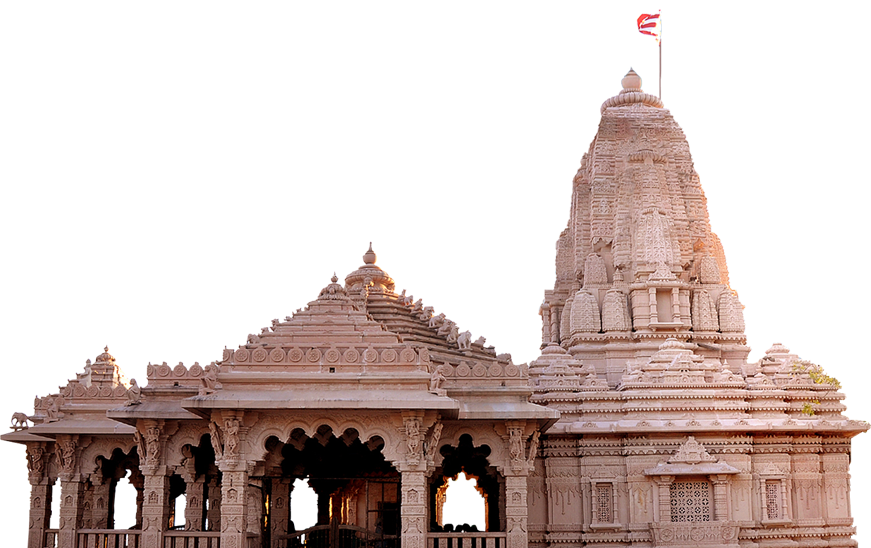
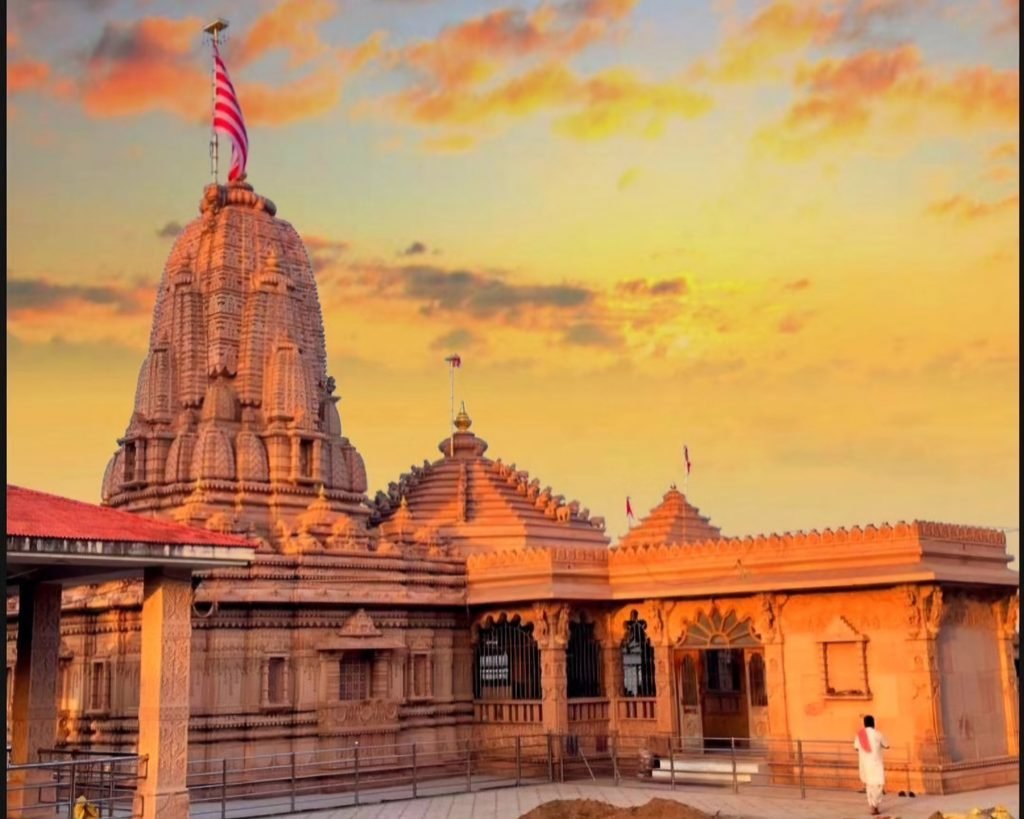
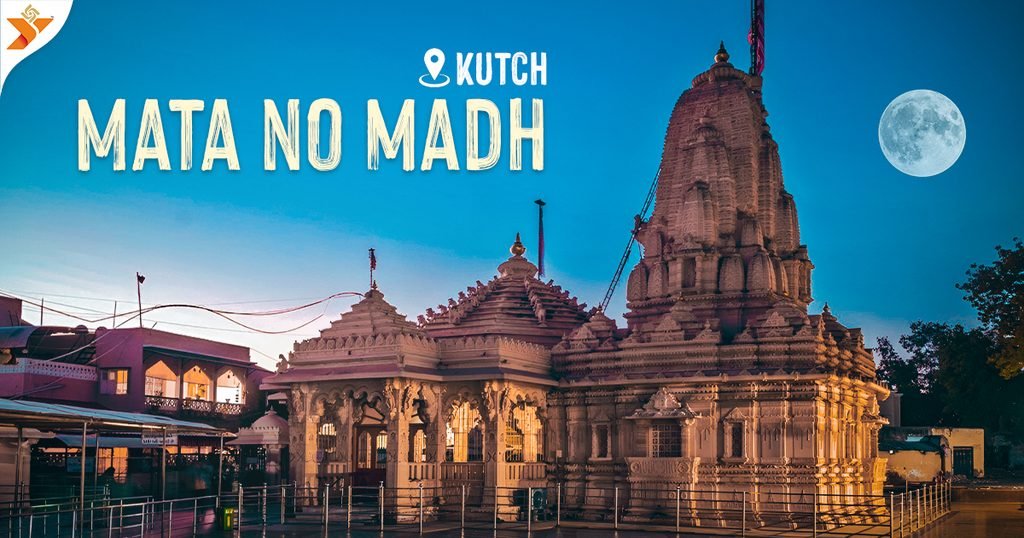
Table of Contents
Section 1: Introduction to Mata No Madh & Its Sacred Geographical Setting
Situated in the Lakhpat Taluka of Kutch district, Mata No Madh (often written as Mata na Madh or Matanamadh) rests in a valley surrounded by low-lying hills along the banks of a local seasonal stream. The village serves as the spiritual heart of Kutch, housing the main temple dedicated to Maa Ashapura—the family deity (Kuldevi) of the former Jadeja rulers of Kutch State and the guardian goddess of the entire region.
The strategic position of Mata No Madh makes it a central transit point for pilgrims traveling west toward the Arabian Sea coast or north toward the Great Rann.
The Sacred Geography of Western Kutch
| Pilgrimage Zone | Key Temples / Shrines Included | Distance from Main Temple | Spiritual Significance |
| Immediate Village Zone | Maa Ashapura Temple, Chachra Kund, Dip Stambh, Laxmi Narayan Mandir | 0 to 1 km | Primary shrine of Maa Ashapura and historical ritual sites. |
| Western Lake Zone | Narayan Sarovar Temple Complex, Trikamrayji, Adinarayan | ~58 km West | One of the 5 sacred Panch-Sarovar lakes in Hindu theology. |
| Coastal Border Zone | Koteshwar Mahadev Temple, Mukatidham Shrines | ~60 km West | Ancient Shiva temple on the edge of Kori Creek and Arabian Sea. |
| Northern Border Zone | Hatkeshwar Temple, Lakhpat Gurudwara Sahib, Pir Shah Dargah | ~40 km Northwest | Historical fort town housing multi-faith religious landmarks. |
| Eastern Volcanic Zone | Than Jagir Monastery, Dhoramnath Temple (Dhinodhar) | ~55 km East | Monastic seat of the Kanphata Nath sect high on a volcanic hill. |
Section 2: Core Temples Within the Immediate Mata No Madh Sanctuary
Before venturing out to explore the Mata No Madh temples around the broader taluka, pilgrims complete their primary rituals within the village limits.
Key Shrines inside Mata No Madh Village
| Shrine / Landmark Name | Location Details | Primary Feature & Ritual Activity |
| Deshdevi Maa Ashapura Temple | Village Center | Primary sanctuary housing the self-manifested (Swayambhu) red stone deity; hub for daily Aarti and Patri offerings. |
| Chachra Kund | Near Main Gate | Historic stepped water reservoir used by devotees for purification rituals before entering the temple. |
| Dip Stambh | ~70m along Kotada Road | Tall stone pillar of lights adorned with hundreds of oil lamps during Navratri and major festival nights. |
| Shree Laxmi Narayan Mandir | ~230m along Kotada Road | Quiet shrine dedicated to Lord Vishnu and Goddess Laxmi, serving as a tranquil retreat for silent prayer. |
| Dharva No Madh | Jesda Area | Sacred location linked to early miracle legends surrounding the founding history of the main shrine. |
Section 3: Western Pilgrimage Circuit: Narayan Sarovar Sacred Lake Complex
Approximately 58 km west of Mata No Madh lies Narayan Sarovar, recognized in sacred Hindu texts as one of the five holy lakes (Panch-Sarovar) of India, alongside Mansarovar, Pampa Sarovar, Bindu Sarovar, and Pushkar Lake.
History & Architecture
In 1734 CE, Queen Vagheli Maharani Adityabai of Kutch commissioned the primary temple complex on the lake’s banks, modeled after the classical architectural style of Dwarka.
Primary Lakeside Temples
| Shrine Name | Dedication / Deity | Architectural & Pilgrimage Highlights |
| Shree Trikamrayji Temple | Lord Vishnu (Trikamrayji) | The main central temple within the lakeside complex, boasting detailed stone carvings and high spires. |
| Laxminarayan & Adinarayan | Vishnu & Laxmi | Twin flanking shrines elevated on large stone platforms overlooking the paved courtyard. |
| Govardhannathji & Dwarkanathji | Lord Krishna | Dedicated sanctums located inside the stone courtyard measuring 164 feet by 62.5 feet. |
| Shri Mahaprabhuji’s Bethak | Vallabh Sampradaya | A holy seat marking where Jagadguru Vallabhacharya sat to deliver discourses on the Srimad Bhagavat. |
Section 4: Coastal Guardianship: Koteshwar Mahadev Temple & Kori Creek Shrines
Just 2 km past Narayan Sarovar, perched on a sandstone cliff overlooking the Arabian Sea and Kori Creek, sits the historic Koteshwar Mahadev Temple.
Mythology & Puranic Origins
According to local tradition, Lord Shiva granted Ravana a powerful Lingam loaded with divine energy as a reward for his strict penances. Fearing Ravana would become invincible, celestial deities tricked Ravana into dropping the Lingam at this coastal spot. Upon impact, the single Lingam multiplied into ten million (Kotis) identical Lingams. Unable to identify the original, Ravana picked one, leaving the true manifestation installed here as Kotilingeshwar or Koteshwar.
Features & Pilgrim Activities at Koteshwar
- Bhairava of Hinglaj Mata: Spiritual texts describe Koteshwar Shiva as the Bhairava safeguard for the sacred Hinglaj Mata shrine. Traditional pilgrims complete their pilgrimage to Koteshwar after visiting Hinglaj Mata.
- Sunset Worship: The temple cliff provides a clear view of the sun setting over the westernmost maritime frontier of India.
- Mukatidham Koteshwar Complex: Nearby shrines and resting facilities serving travelers making the coastal journey.
Section 5: Northern Border Heritage: Historic Temples of Lakhpat Fort
Located roughly 40 km northwest of Mata No Madh along the edge of the Rann, the fortified town of Lakhpat was once a thriving port where the Indus River flowed into the Arabian Sea.
Historic Shrines in Lakhpat
| Site Name | Faith / Tradition | Cultural & Historical Significance |
| Hatkeshwar Temple | Hindu (Shaivism) | Ancient temple dedicated to Lord Hatkeshwar, built with traditional yellow sandstone. |
| Lakhpat Gurudwara Sahib | Sikhism | UNESCO award-winning shrine where Guru Nanak Dev Ji stayed; houses sacred preserved relics. |
| Sayyed Pir Shah Dargah | Islamic Heritage | Prominent nine-domed mausoleum displaying intricate stone carvings reflecting Lakhpat’s history. |
Distance & Travel Summary: Primary Western Circuit
| Starting Point | Destination Temple | Distance (KM) | Driving Time | Recommended Transport |
| Mata No Madh | Narayan Sarovar | 58 km | ~1 Hr 10 Min | GSRTC Bus / Private Taxi |
| Narayan Sarovar | Koteshwar Mahadev | 2 km | ~5 Min | Local Auto / Walking / Taxi |
| Mata No Madh | Lakhpat Fort | 40 km | ~50 Min | GSRTC Bus / Private Taxi |
| Lakhpat Fort | Koteshwar Mahadev | 35 km | ~40 Min | Private Taxi / Local Bus |
| Bhuj Terminal | Mata No Madh | 95 km | ~2 Hours |
Section 6: Central Kutch Spiritual Nodes: Dhinodhar Hill & Than Jagir Monastery
Located approximately 55 km east of Mata No Madh, Dhinodhar Hill rises dramatically out of the surrounding plain as a prominent volcanic landmark. It stands as one of the most significant monastic and ascetic sites in Kutch.
1. Than Jagir Monastery
Situated at the quiet base of Dhinodhar Hill, Than Jagir is an ancient monastery belonging to the Kanphata (split-eared) Nath sect, founded by the revered saint Dharmanath.
- Architecture: The complex features sandstone courtyards, traditional carved pillars, and shrines dedicated to Lord Shiva and Saint Dharmanath.
- Historical Significance: For centuries, this monastery served as a major center for yoga, meditation, and continuous community meal service (Annakshetra) for travelers trekking through the Kutch landscape.
2. Dharmanath Temple (Peak of Dhinodhar)
To reach the peak shrine, pilgrims ascend a stepped path of over 1,000 stone steps to the summit.
- Legend of Penance: Tradition holds that Saint Dharmanath performed an intense 12-year penance while standing on his head atop this hill.
- Panoramas: The top offers sweeping views of the Great Rann of Kutch to the north and the surrounding plains.
Section 7: Taluka & Regional Shrines: Dayapar, Nakhatrana, and Ravapar Temples
Pilgrims traveling between Bhuj, Nakhatrana, and Mata No Madh will encounter several important regional shrines that play a vital role in local spiritual life.
Key Regional Shrines Matrix
| Shrine Name | Location / Area | Distance from Mata No Madh | Primary Deity | Key Visitor Details |
| Dayapar Temples | Dayapar Town | ~20 km North | Shiva / Local Deities | Administrative hub of Lakhpat Taluka with historic local shrines. |
| Nakhatrana Shrines | Nakhatrana Hub | ~45 km East | Ashapura Maa / Hanumanji | Major stopover town with multiple community dharamshalas. |
| Ravapar Devasthan | Ravapar Village | ~15 km Southeast | Regional Deities | Peaceful rural village shrine frequented by local pilgrim walks. |
| Virani Moti Temples | Virani Village | ~35 km East | Swaminarayan / Shiva | Historic Swaminarayan temple complex with intricate woodwork. |
Section 8: Ancient Sandstone Relics: Sun Temple of Kotay & Kera Lakheshwara
For devotees interested in history, ancient architecture, and heritage shrines, Kutch houses remarkable 10th- to 12th-century stone temples built during the Solanki and Maitraka periods.
1. Sun Temple of Kotay
Situated northeast of Bhuj along the edge of the hills, Kotay houses ruins of a 10th-century Sun Temple (Surya Mandir).
- Architectural Elements: Constructed entirely of dry-stone masonry without mortar, featuring carved ceiling panels and roof spires (Shikharas).
- Sanctum: The main sanctum overlooks a historic dry lake bed, displaying classic Solanki-era carvings of celestial beings and sun motifs.
2. Kera Lakheshwara Temple
Located near Kera village on the southern route toward Bhuj, this 10th-century temple was built during the reign of Lakho Phulani. Although damaged by historical earthquakes, the remaining tower and central sanctum stand as prime examples of early Kutchi temple craftsmanship.
Section 9: Traditional Folk Shrines: Jakh Botera & Regional Vir / Dada Deris
Beyond classical Puranic deities, the culture of Kutch is deeply tied to folk traditions, guardian spirits (Khetrapal), and heroic protectors (Virs).
1. Jakh Botera (Kakadbhit)
Located atop Kakadbhit hill near Punadi, roughly 60 km from Mata No Madh, this unique sanctuary honors the 72 Jakhs (72 horse-riding heroes or fair-skinned ascetics) who, according to legend, saved the local population from oppression in ancient times.
- Iconography: The shrine displays 72 clay and stone statues of horsemen lined up side by side.
- Annual Fair: A massive annual fair (Mela) takes place here on the first Monday of the Hindu month of Bhadrapad, attracting thousands of villagers.
2. Dada Deris & Khetrapal Shrines
Scattered along the roads connecting Mata No Madh to surrounding villages are small stone platforms and white domed structures known as Deris. These mark historic heroic sites, boundary guardians, and ancestral shrines preserved by local Kutchi communities.
Section 10: Sacred Springs, Kunds & Natural Tirth Sthans in Western Kutch
Water holds immense spiritual importance in the arid landscape of Kutch. Several natural springs and stone water tanks around Mata No Madh serve as key ritual locations.
Sacred Water Bodies Summary
- Chachra Kund (Mata No Madh): The primary step-well reservoir used by pilgrims inside the village for purification rituals.
- Narayan Sarovar Lake: The vast sacred lake fed by historical underground springs, used for ritual bathing (Snan) and ancestor ceremonies (Pitru Tarpana).
- Fulay Springs & Natural Kunds: Small seasonal natural springs found in the low hills near Nakhatrana, providing water to historic monastic retreats.