
Understanding the internal administrative structure and spiritual governance of Mata No Madh requires a deep dive into the Mata No Madh Gadipati hierarchy. For over six centuries, the famous shrine of Deshdevi Maa Ashapura in Kutch has functioned under a unique, highly organized monastic framework governed by the Kapdi Sampradaya.
This ultimate 2026 administrative manual on matanamadh.in provides a complete, transparent breakdown of the spiritual tiers, administrative ranks, monastic initiation levels, and management roles that maintain the sanctity and daily operations of the shrine.
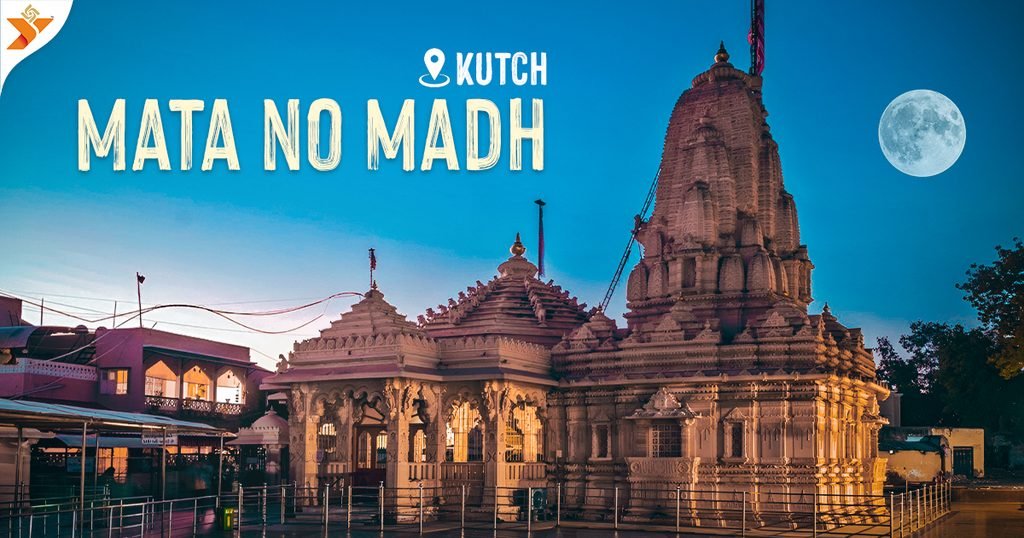
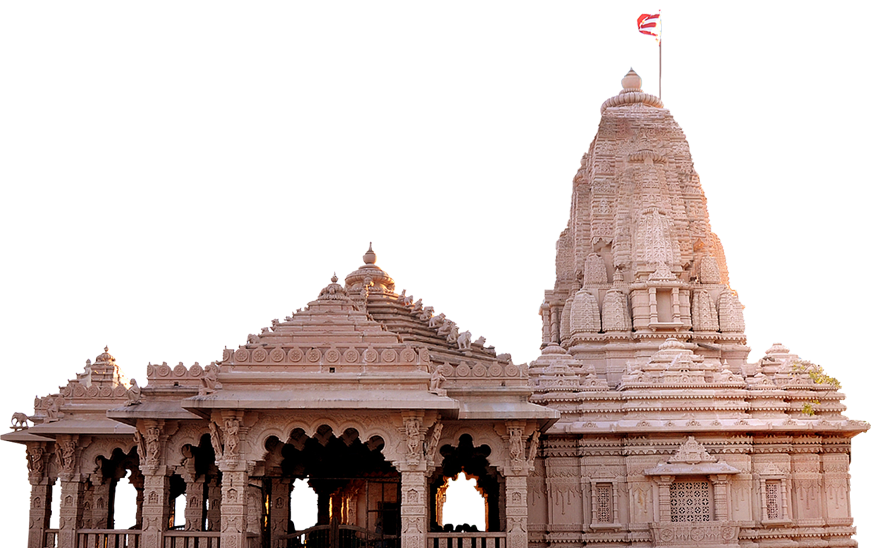
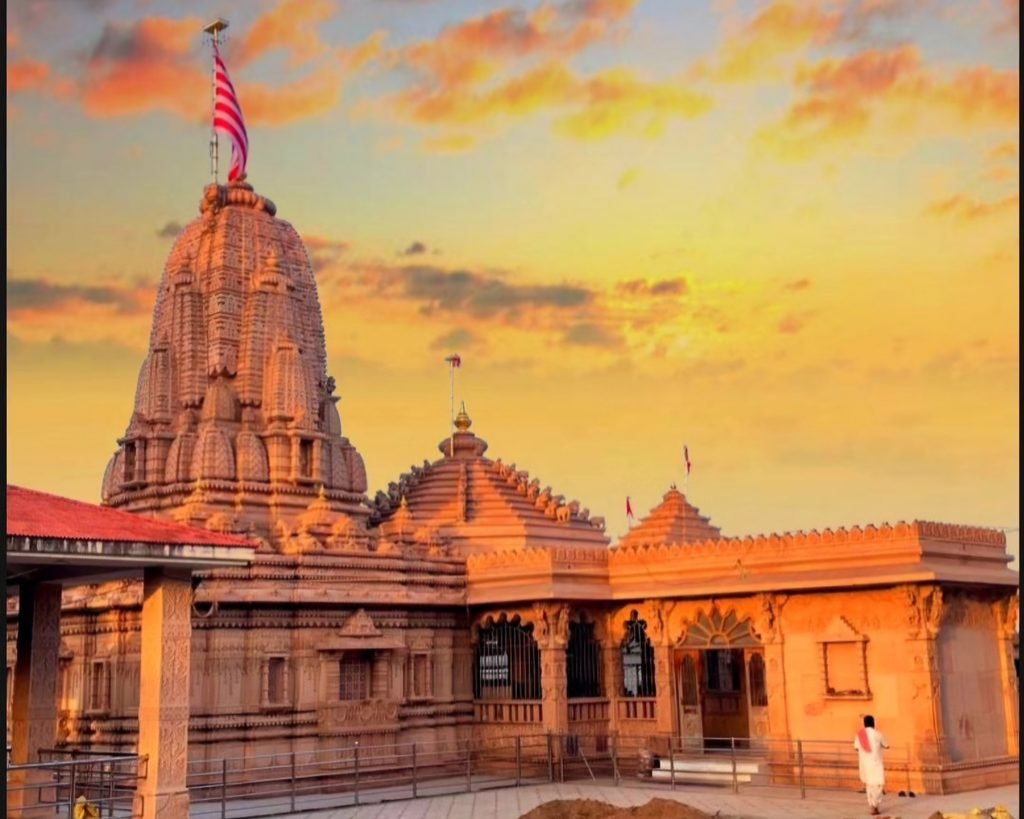
Table of Contents
Section 1: Introduction to the Mata No Madh Gadipati Hierarchy
The management of matanomadh is distinctive among Indian pilgrimage destinations. Rather than relying on hereditary Brahmin family associations or purely state-appointed secular boards, the core spiritual and operational authority rests within a disciplined monastic order known as the Kapdi Sampradaya.
At the heart of this organizational framework is a well-defined chain of command. The Mata No Madh Gadipati hierarchy balances spiritual renunciation with temporal administration. It ensures that every ritual, estate transaction, security measure, and food distribution program is executed with absolute precision and reverence. Historical documentation available via the Kutch District Portal confirms that this organizational structure has been recognized by regional authorities for centuries.
Section 2: The Apex Tier: The Raja Bava (Gadipati)
At the highest level of the organizational pyramid stands the Gadipati, universally known by the sacred title of Raja Bava (Monk King).
Power and Authority of the Apex Tier
| Authority Dimension | Operational & Spiritual Mandate |
| Supreme Spiritual Head | Final arbiter on all Agamic, Tantric, and ritualistic matters concerning Maa Ashapura worship. |
| Lifetime Trustee | Permanent, non-removable head of the Shri Mata Na Madh Jagir Trust. |
| Custodial Sovereign | Holds ceremonial rights over all historical estate lands, archives, and sacred regalia. |
| Judicial Authority | Serves as the ultimate authority for internal monastic discipline and traditional local dispute resolution. |
The Raja Bava embodies the duality of an ascetic monk (Bava) and an administrative ruler (Raja). All lower tiers of the priesthood and trust administration operate directly under his authority.
Section 3: The Succession Hierarchy: Chote Bava & Senior Chelas
Directly beneath the reigning Gadipati is the designated heir apparent and the senior council of disciples (Chelas), who form the core executive line of succession.
1. The Chote Bava (Designated Successor)
- Status: Selected by the reigning Raja Bava from among the initiated Kapdi monks.
- Role: Serves as the deputy administrative and ritual authority. He manages daily operations when the Raja Bava is engaged in deep spiritual retreat or state travel.
- Training: Undergoes rigorous instruction in temple administration, estate laws, scriptural rituals, and community leadership.
2. The Senior Chela Council
- Composition: A select group of senior initiated monks who have dedicated decades to the service of the shrine.
- Responsibility: Act as an advisory cabinet to the Gadipati, overseeing critical departments such as ritual purity, treasury verification, and monastic discipline.
Section 4: Monastic Ranks of the Kapdi Sampradaya
The Kapdi order within mata na madh follows a strict internal gradation based on initiation (Deeksha), tenure, and demonstrated spiritual discipline.
Kapdi Sampradaya Monastic Ranks
- Higher Monastic Orders:
- Gadipati (Raja Bava): Supreme spiritual and administrative head of the entire order.
- Chote Bava (Designated Heir): Second-in-command and official successor.
- Mahants of Affiliate Shrines: Senior monks overseeing satellite temples and branch estates.
- Initiate Tiers:
- Pakkad Chela (Senior Initiated Monk): Fully initiated monks who have taken final lifelong vows of celibacy, renounced personal property, and completed ritual training.
- Kachhad Chela (Junior Initiate): Monks in training who assist senior priests while undergoing scriptural and operational evaluation.
- Probationary Sevak: Aspirants entering the order to test their vow commitment prior to receiving formal Kapdi initiation.
Section 5: Inner Sanctum Priesthood & Ritual Roles
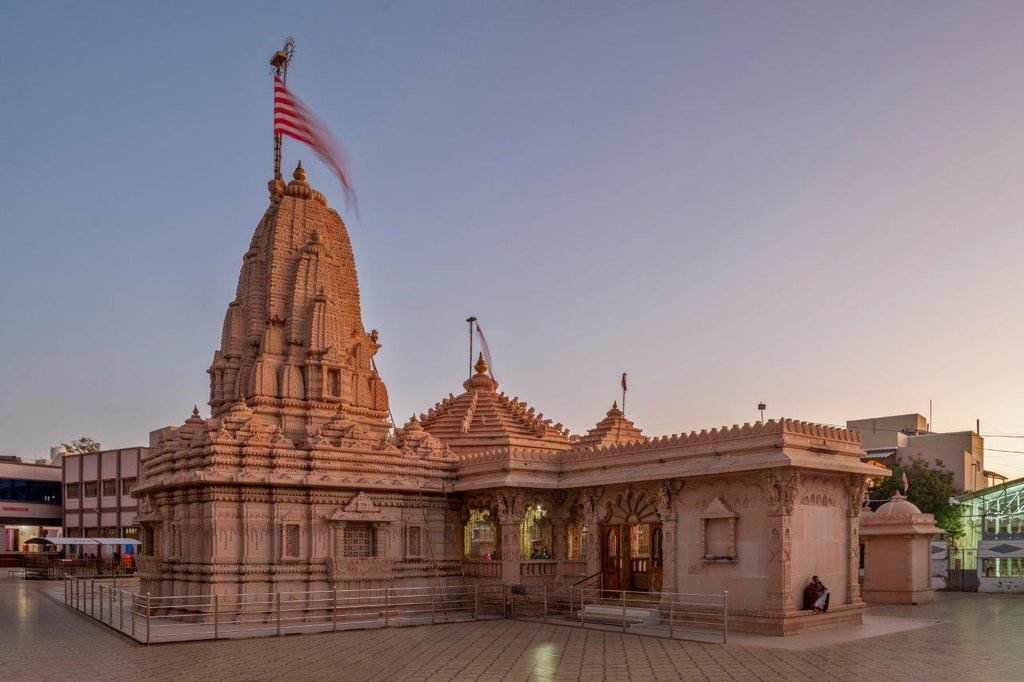
The daily ritual worship (Pooja, Aarti, Shringar, and Abhisheka) inside the inner sanctum (Garbhagriha) of matanamadh is carried out exclusively by designated members of the monastic hierarchy.
Inner Sanctum Task Allocation
| Ritual Rank | Designated Duty | Access Level |
| Pujari Mahant | Primary officiant conducting daily Mangla and Sandhya Aarti. | Full access to the inner sanctum and deity idol. |
| Shringari Priest | Specializes in dressing the deity, applying Sindoor, and managing sacred ornaments. | Inner sanctum access during designated decoration hours. |
| Bhandari (Treasury Custodian) | Maintains inventory of gold, silver, and cloth offerings presented to the deity. | Vaults and preparation chambers. |
| Jal/Prasad Sevak | Prepares holy water (Charnamrut), flowers, and sacred offerings for the altar. | Outer sanctum and preparation areas. |
This systematic division of labor guarantees that the sanctity of the deity is preserved while accommodating thousands of daily visitors.
Section 6: Estate & Administrative Management Tier
While the Raja Bava and the inner council govern spiritual and ritual life, the non-monastic administrative apparatus handles temporal operations. This division ensures that land management, official records, legal compliance, and daily temple logistics function smoothly without compromising the monastic vows of the priesthood.
Operational Divisions & Ranks
- Estate Manager (Karbhari / Administrator): Serves as the operational head for temporal affairs. Responsible for executing the directives of the Raja Bava and Trust Board, handling government correspondence, and overseeing land titles, agricultural leases, and property boundaries belonging to the shrine Jagir.
- Chief Accounts Officer & Audit Team: Manages daily donation entries, temple collection counters, receipt generation, vendor payments, and annual financial auditing.
- Office Superintendent & Clerical Staff: Coordinates daily logistics, official communications, room allocations, pilgrim inquiries, and maintenance contracts.
Section 7: Shri Mata Na Madh Jagir Trust Governance Matrix
The Shri Mata Na Madh Jagir Trust is the legal body registered under the Gujarat Public Trusts Act that formalizes temple administration. It creates a structured interface between centuries-old monastic tradition and modern legal compliance.
Trust Board Composition & Decision Matrix
| Governance Role | Representative Body | Primary Function in Governance Matrix |
| Permanent Head & Supreme Trustee | The Sitting Raja Bava (Gadipati) | Holds veto power on ritual, estate, and structural modifications; leads all trust decisions. |
| Monastic Representative Trustees | Senior Kapdi Monks / Chote Bava | Ensures trust policies align with traditional monastic customs (Sampradayik Maryada). |
| Royal Family Representative | Representative of the Jadeja Dynasty | Preserves historic ties, royal patronage duties, and traditional ceremonial roles. |
| Community & Local Nominees | Appointed Local Leaders / Devotee Representatives | Advises on public amenities, crowd control during festivals, and pilgrim welfare. |
| Legal & Administrative Advisors | Appointed Advocates & Chartered Accountants | Ensures statutory compliance, files annual tax returns, and manages legal filings. |
Section 8: Judicial & Durbar Rank Functions of the Gadi
Historically, the Gadi of Mata No Madh operated not only as a religious institution but as a sovereign estate (Jagir) with judicial and administrative authority over surrounding villages.
Traditional Judicial & Durbar Responsibilities
- The Durbar Court Assembly: On specific ceremonial occasions, the Raja Bava holds a traditional court (Durbar) where local disputes, land boundary issues among shrine tenants, and community grievances are presented for traditional arbitration.
- Internal Monastic Judiciary: Resolves infractions of monastic vows, internal disagreements among initiates, or disputes regarding task allocation within the Kapdi Sampradaya.
- Custody of Sanads and Charters: The Gadi retains historical royal decrees (Sanads) granted by successive rulers of Kutch, establishing the territorial and legal rights of the shrine estate.
Section 9: Protocol & Precedence in Ceremonial Assemblies
During major religious gatherings, royal visits, or state functions, a strict order of precedence governs seating, procession order, and ritual honors (Sirohi / Sarpao).
Ceremonial Procession Order of Precedence
- Sacred Regalia & Chhatra (Royal Parasol) & Temple Standard: The holy symbols lead the procession.
- The Reigning Raja Bava (Gadipati): Supreme spiritual authority presiding over the ceremony.
- The Chote Bava & Visiting Head Mahants: Designated successor and visiting heads of affiliate shrines.
- Representative of the Jadeja Royal Family: Traditional royal patron present for ritual honors.
- Senior Kapdi Monks (Pakkad Chelas) & Officiating Pujaris: Core monastic order and active priests.
- Trust Members, Karbhari, & Visiting State Dignitaries: Administrative heads and official guests.
Section 10: Operational Division of Daily Temple Duties
To manage thousands of daily visitors and maintain continuous worship without interruption, daily tasks are systematically distributed across three operational shifts.
Daily Operational Task Roster
| Time Window | Primary Focus | Responsible Ranks & Personnel |
| 04:00 AM – 08:00 AM | Mangla Aarti, Nirmalya Visarjan (clearing previous day flowers), inner sanctum washing, and morning Abhisheka. | Officiating Pujari Mahant, Jal/Prasad Sevaks, Inner Sanctum Cleaning Staff. |
| 08:00 AM – 12:30 PM | Dhoop Aarti, public general Darshan, processing special ritual offerings, and initial Annakshetra food preparation. | Shringari Priests, Trust Security, Annakshetra Cooking Staff. |
| 12:30 PM – 04:00 PM | Temple closure / rest period, interior sanitization, inventory checks, and treasury counting. | Bhandari (Custodian), Office Superintendent, Security In-Charge. |
| 04:00 PM – 09:30 PM | Reopening for evening Darshan, Sandhya Aarti (Sunset), handling pilgrim accommodation, and closing procedures. | Raja Bava (for ceremonial presence), Pujari Ranks, Dharamshala Administrative Staff. |
Section 11: The Selection & Initiation Hierarchy (Deeksha Ranks)
Entry into the Kapdi Sampradaya and advancement through the ranks of Mata No Madh follow a strict spiritual and administrative vetting process. The progression from seeker to fully authorized priest ensures that only dedicated ascetics hold responsibilities within the shrine.
Spiritual Progression and Initiation Stages
| Initiation Tier | Phase Name | Minimum Duration | Core Requirements & Vows | Primary Responsibilities |
| Stage 1 | Prathmik Sevak (Probationary Aspirant) | 1–3 Years | Basic moral screening, character background check, preliminary vow of celibacy (Brahmacharya). | Basic ashram service, kitchen utility work, campus maintenance. |
| Stage 2 | Kachhad Chela (Junior Initiate) | 3–5 Years | Kanti Deeksha (sacred necklace investiture), formal renunciation of personal assets, study of shrine Agamas. | Assisting senior priests in outer sanctum duties, managing pilgrim queues, scriptural study. |
| Stage 3 | Pakkad Chela (Senior Monastic) | Lifetime Vow | Maha Deeksha (final monastic rites), strict lifelong celibacy, total submission to the Gadi. | Conducting inner sanctum rituals, performing Aarti, managing temple departments. |
| Stage 4 | Chote Bava (Heir Apparent) | Selected | Direct nomination by the reigning Raja Bava, mastery over administrative and scriptural affairs. | Deputy governance of the Jagir, representing the Raja Bava in official state functions. |
Section 12: Financial & Treasury Management Ranks
Managing the vast financial assets, voluntary offerings, and landed properties of the shrine requires absolute transparency and division of oversight between monastic guardians and secular accountants.
Treasury Ranks & Operational Hierarchy
- Bhandari Mahant (Head Treasury Custodian): A senior Pakkad Chela appointed directly by the Raja Bava. He holds the physical keys to the central vault (Bhandar) containing precious metals, gold ornaments, historic jewelry, and ceremonial idols.
- Joint Vault Signatories: Access to the high-value vault requires the simultaneous physical presence of the Bhandari Mahant and the Trust Executive Secretary.
- Chief Cashier & Collection Clerks: Manage daily donation counters, process digital payments, issue official computerized receipts, and deposit cash collections into trust bank accounts daily.
- Internal Auditors: Independent certified accountants who conduct monthly audits of cash books, online donation gateways, store inventory, and estate revenues.
Section 13: Annakshetra & Kitchen Administrative Structure
The Annakshetra (free community kitchen) at matanamadh feeds thousands of pilgrims daily, scaling to tens of thousands during Navratri. A specialized operational hierarchy manages food preparation, quality control, and distribution.
Annakshetra Command Structure
| Role / Title | Personnel Type | Operational Responsibilities |
| Annakshetra In-Charge | Senior Trust Officer | Raw material procurement, grain inventory management, supply chain logistics. |
| Rasoi Mahant | Kapdi Monastic Supervisor | Ensures ritual purity (Pavitrata) during cooking, oversees preparation of divine Prasad. |
| Head Cooks (Rasoiyas) | Trained Traditional Chefs | Large-scale preparation of hygienic, traditional vegetarian meals without onion or garlic. |
| Pangath Sevaks | Volunteers & Staff | Managing seating halls, serving hot meals efficiently, maintaining dining hall sanitation. |
Section 14: Dharamshala & Security Staffing Hierarchy
With constant pilgrim inflows, physical security, guest house allocations, and crowd movement require an organized ground team working under trust supervision.
Ground Operations Staffing Model
                    GROUND OPERATIONS & SECURITY HIERARCHY
                                      |
       +------------------------------+------------------------------+
       |                                                             |
Security & Crowd Management                               Accommodation & Facilities
* Chief Security Officer (CSO)                                * Dharamshala Manager
* Shift Supervisors & Guards                                  * Receptionists & Counter Clerks
* Local Police Liaisons (Navratri)                            * Housekeeping & Maintenance Staff
- Chief Security Officer (CSO): Oversees 24/7 CCTV surveillance, perimeter security, queue management complexes, and emergency response plans.
- Dharamshala Manager: Oversees online and counter booking for all trust-run guest houses, maintaining clean lodging facilities for visiting families and ascetics.
- Maintenance & Sanitation Engineers: Responsible for uninterrupted water supply, solar power grids, generator backups, and overall cleanliness of the temple premises.
Section 15: Inter-Monastic Relations Hierarchy (Than Jagir & Affiliate Seats)
The Gadi of Mata No Madh maintains formal diplomatic and ecclesiastical ties with major monastic seats across Kutch and Saurashtra. A dedicated protocol governs these inter-order relationships.
Monastic Protocol Matrix
| Affiliate / Sister Seat | Monastic Order | Historical & Protocol Relationship |
| Than Jagir (Dhinodhar) | Kanphata Nath Panth | Mutual respect protocol between the Raja Bava and the Pir of Dhinodhar; formal exchange of festival greetings and ceremonial gifts. |
| Gharana & Bhuj Ashapura Shrines | Kapdi Sub-Branches | Operational and ritual guidance provided by the primary Gadi at Mata No Madh during major consecration ceremonies. |
| Hinglaj Mata Lineage (Historical) | Ancient Shakti Peeth Connections | Ancestral spiritual links maintained through Kapdi oral traditions and historical pilgrimage routes connecting Sindh and Kutch. |
Section 16: Modern Legal Governance vs. Traditional Monastic Hierarchy
The integration of matanomadh into the Indian constitutional framework created a dual administrative model. While ancient monastic customs (Sampradayik Maryada) govern spiritual life, statutory laws mandate secular accountability.
Synthesis of Monastic Rules and Modern Law
- The Bombay Public Trusts Act, 1950: Formally governs the Shri Mata Na Madh Jagir Trust. It requires strict financial record-keeping, annual external audits, and statutory filings without interfering in inner-sanctum traditions.
- Supreme Spiritual Autonomy: Indian courts and local governance frameworks recognize the reigning Raja Bava as the exclusive authority on ritual procedures, priesthood appointments, and sanctum access.
- Property & Land Records: All estate holdings, agricultural lands, and campus facilities are registered under the name of the Trust, preventing individual ownership by any single monk or administrator.
Section 17: Navratri 2026 Protocol & Task Allocation Framework
During the peak festival of Ashwin Navratri, the daily visitor count expands exponentially. To maintain order and sanctity, the Mata No Madh Gadipati hierarchy implements a specialized high-density administrative protocol.
Navratri Operational Roster
| Festival Phase | Primary Focus Area | Lead Hierarchical Authority | Key Operational Tasks |
| Sud Ekam (Oct 11, 2026) | Ghatasthapana & Sanctuary Sealing | Raja Bava & Chief Pujari Mahant | Establishing the sacred pot, invoking deity blessings, enforcing restricted sanctum access. |
| Sud Chhath to Ashtami | High-Volume Queue & Safety Management | Chief Security Officer & Local Police | Managing mile-long pilgrim queues, operating holding enclosures, medical first-aid stations. |
| Sud Saptami Night | Sacred Patri Bidh Ceremony | Raja Bava & Royal Representative | Conducting the midnight ritual in total sanctum secrecy; verifying dropped flora. |
| Sud Ashtami | Grand Havan Yajna | Senior Pakkad Chelas & Priests | Executing continuous fire offerings, managing crowd safety around the Yajnashala. |
| Sud Navami / Dashami | Padyari Exit & Blessings | Chote Bava & Administrative Staff | Distributing Prasad packages, coordinating special GSRTC bus routes for returning pilgrims. |
Section 18: Role of the Jadeja Royal Family Representative in the Hierarchy
Though modern India abolished princely privileges, the descendant of the Maharao of Kutch retains a key ceremonial position in the administrative and spiritual hierarchy of the shrine.
Ceremonial Functions of the Royal Patron
- First Devotee Precedence: The royal representative holds ceremonial priority during major state rituals, standing alongside the Raja Bava during key festival occasions.
- Co-Execution of Patri Bidh: During Navratri, the royal representative presents the traditional Nived (offering) on behalf of the historical state of Kutch and receives the divine Patri directly from the Gadipati.
- Trust Representation: A permanent seat on the Shri Mata Na Madh Jagir Trust board ensures that historical ties between the ruling dynasty and the temple are preserved.
Section 19: State Government Liaison Officers & District Administration Ranks
During major events like Navratri, the local administration works directly with the temple hierarchy to manage external logistics, public health, and transportation.
State & Temple Coordination Matrix
                    STATE & TEMPLE COORDINATION MATRIX
                                     |
       +-----------------------------+-----------------------------+
       |                                                           |
District Administration (Kutch)                            Temple Trust Leadership
* District Collector & Sub-Divisional Magistrate            * The Raja Bava (Gadipati)
* Superintendent of Police (SP)                             * Trust Executive Secretary & Karbhari
* GSRTC Regional Transport Officers                         * Chief Security Officer & Department Heads
- Sub-Divisional Magistrate (SDM): Coordinates district emergency services, medical camps, and temporary sanitation infrastructure around the village.
- Superintendent of Police (SP): Deploys police contingents, traffic diversion routes, and metal detection checkpoints that integrate with temple security personnel.
- Transport Coordinators: Manage dedicated bus fleets operated by transit services such as GSRTC to transport hundreds of thousands of devotees to and from Nakhatrana and Bhuj.
Section 20: Public Interaction & Pilgrim Grievance Redressal Ranks
To maintain smooth public relations and serve visiting devotees, specific administrative tiers are assigned to handle inquiries, accommodations, and special requests.
Public Interface Responsibilities
| Service Area | Responsible Rank / Desk | Primary Function |
| VIP & Special Accommodations | Protocol Officer / Assistant Manager | Managing official state guests, senior ascetics, and special pass allocations. |
| General Pilgrim Assistance | Helpdesk Clerks & Information Counters | Guiding first-time visitors, handling lost-and-found items, providing bus timetables. |
| Disability & Senior Support | Special Sevak Contingent | Operating wheelchairs, managing priority queues, providing dedicated seating. |
| Grievance Redressal | Trust Executive Secretary | Processing written feedback, resolving booking issues, investigating service complaints. |
Section 21: Code of Conduct & Disciplinary Protocols for Monastic Ranks
Maintaining the spiritual sanctity and operational integrity of matanomadh requires strict adherence to ancient monastic codes (Maryada). Every member of the Kapdi Sampradaya operates under a precise code of conduct monitored directly by the Raja Bava and the senior council.
Monastic Standards and Disciplinary Procedures
- Vow of Strict Celibacy (Naishtika Brahmacharya): Any violation of lifelong celibacy results in immediate, permanent expulsion (Sampradaya Tyaag) from the order and total forfeiture of monastic status.
- Prohibition of Personal Property: Monks cannot hold personal real estate, personal bank accounts, or commercial businesses. All offerings and assets belong strictly to the Gadi and the Shri Mata Na Madh Jagir Trust.
- Protocol on Public Demeanor: Monks are forbidden from engaging in public political campaigns, personal financial dealings, or unauthorized media appearances without express permission from the Gadipati.
- Disciplinary Council (Panch Committee): Minor infractions regarding task execution or ritual punctuality are reviewed by a committee of three senior Pakkad Chelas. Major disputes or appeals are presented directly to the Raja Bava, whose verdict is final.
Section 22: Historic Archival Records on Hierarchical Appointments
The continuity of the Mata No Madh Gadipati hierarchy is documented through historical records preserved in temple archives and state repositories.
Key Documentation Types
| Record Type | Archival Location | Historical & Legal Purpose |
| Copper Plate Grants (Tamrapatra) | Temple Vault & Kutch Museum | Early historical proof of land grants, tax immunities, and official recognition of the Kapdi line by 15th-century rulers. |
| Royal Decrees (Sanads) | Jagir Trust Archives | Official letters stamped with the state seal of the Maharaos of Kutch confirming individual Gadipati appointments. |
| Vanshavali Scrolls | Monastic Library | Hand-drawn genealogical lineages tracing the unbroken Guru-Shishya succession from early Kapdi saints to the present day. |
| Gazetteer Entries | State Archives | 19th-century British Presidency records detailing the administrative structure, village boundaries, and judicial powers of the Jagir. |
Section 23: Frequently Asked Questions (FAQs) on the Hierarchy
Q1: Can someone outside the Kapdi Sampradaya become the Gadipati?
No. The seat of the Raja Bava is strictly reserved for initiated monks of the Kapdi Sampradaya who have taken lifelong vows (Maha Deeksha) and undergone complete training within the order.
Q2: How is the Chote Bava (Designated Heir) selected?
The reigning Raja Bava selects the Chote Bava based on spiritual discipline, mastery of Agamic rituals, leadership capacity, and dedication to the shrine. The choice is formally presented to the senior monastic council and trust board.
Q3: What is the difference between the Raja Bava and the Trust Secretary?
The Raja Bava is the supreme spiritual head, lifetime trustee, and ritual leader of the shrine. The Trust Secretary is the administrative executive who handles daily paperwork, statutory legal compliance, staff payroll, and government correspondence under the Gadipati’s leadership.
Q4: Does the government appoint the priests at Mata No Madh?
No. The priesthood consists exclusively of initiated Kapdi monks appointed through the traditional monastic hierarchy. The state government assists only with external logistics, security, public health, and transit services during major festivals like Navratri.
Section 24: Comparison with Other Major Indian Temple Hierarchies
To understand the unique nature of the organizational structure at mata na madh, it is helpful to compare it with other major pilgrimage systems across India.
Comparative Organizational Matrix
| Feature / Dimension | Mata No Madh (Kutch) | Vaishno Devi (Jammu) | Nathdwara (Rajasthan) | Puri Jagannath (Odisha) |
| Core Governing Order | Kapdi Sampradaya (Monastic) | Statutory Shrine Board (Government) | Vallabh Sampradaya (Pushtimarg) | Hereditary Chhatisa Nijog (Priesthood Guilds) |
| Supreme Head | Raja Bava (Gadipati Monk) | Governor / Chief Executive Officer | Tilakayat (Hereditary Lineage) | Gajapati Raja & Shrine Administrator |
| Priesthood Model | Initiated Celibate Ascetics | Appointed Pujaris / Salaried Staff | Hereditary & Appointed Pushtimarg Priests | Hereditary Sevayat Families |
| Estate Model | Historic Jagir / Registered Trust | Statutory Board Management | Hereditary Trust Estate | State Administration & Temple Board |
Section 25: Summary & Preserving the Order in the Modern Era
The Mata No Madh Gadipati hierarchy stands as a remarkably resilient model of spiritual governance in India. For more than six centuries, it has balanced the austere vows of an ascetic monastic order with the complex administrative demands of running a major pilgrimage destination.
By combining ancient Guru-Shishya traditions with modern legal frameworks under the Shri Mata Na Madh Jagir Trust, the shrine of Maa Ashapura ensures that every ritual is performed with traditional purity while providing modern infrastructure, security, and warm hospitality for millions of visiting pilgrims.
As matanamadh.in continues to serve as your comprehensive informational portal, this master series offers a complete reference guide to the sacred traditions, administrative structures, and enduring heritage of Mata No Madh in Kutch.