
A spiritual journey to the sacred shrine of Maa Ashapura at Mata No Madh offers an extraordinarily rich array of devotional rituals, cultural experiences, and regional exploration. Whether you are planning a traditional Mata No Madh activity centered around sacred temple ceremonies, embarking on a foot pilgrimage (Padyatra), or organizing a wider sightseeing itinerary across the Lakhpat region of Kutch, having an organized roadmap ensures a deeply fulfilling visit.
Through matanamadh.in, pilgrims and travelers can access complete operational schedules, step-by-step ritual guidelines, and expert local recommendations for navigating every activity at Mata No Madh in 2026. From experiencing the soul-stirring morning Mangala Aarti to exploring historical stepwells like Chachra Kund and participating in regional socio-cultural gatherings, this master guide breaks down all essential activities.
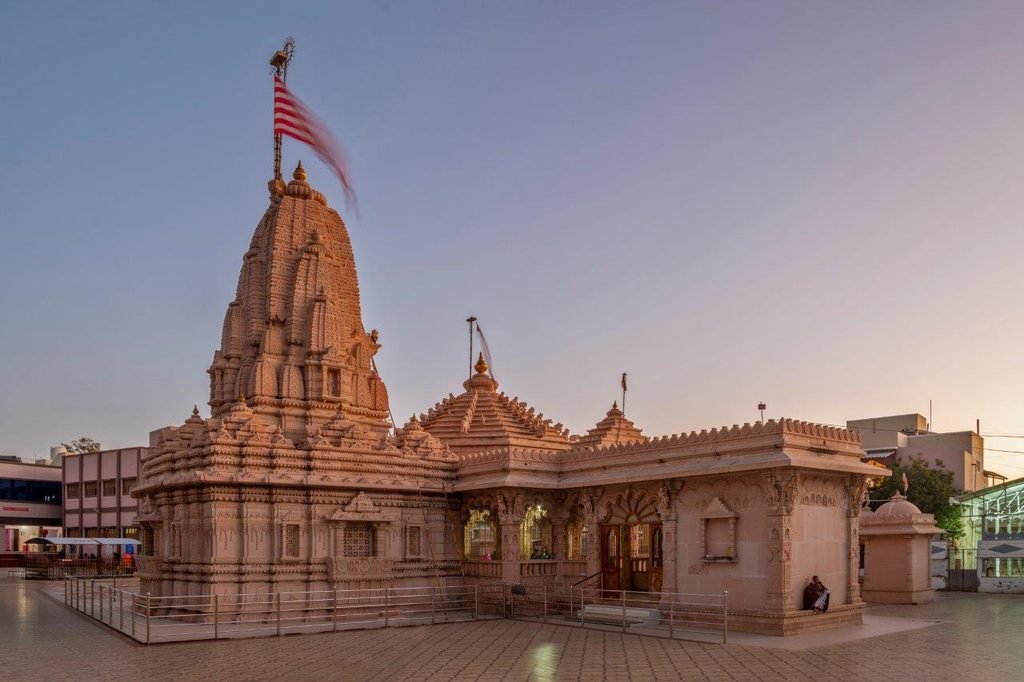
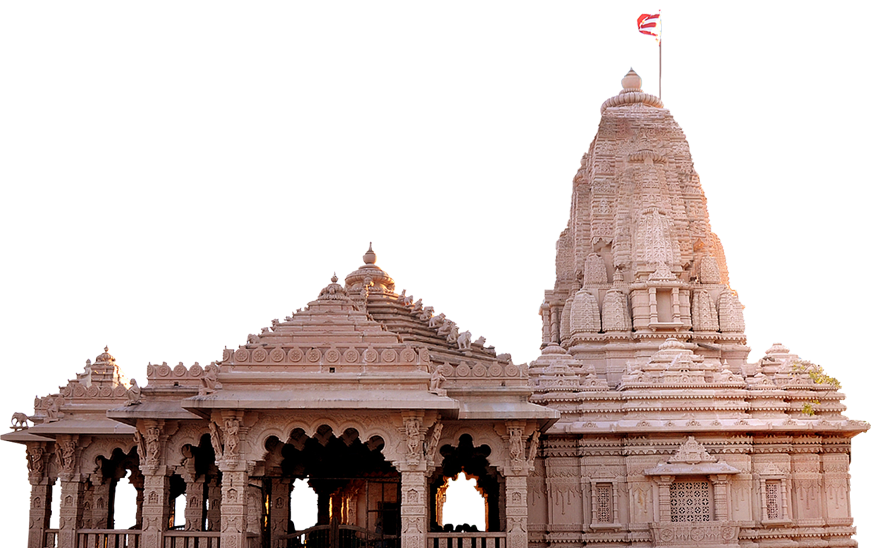
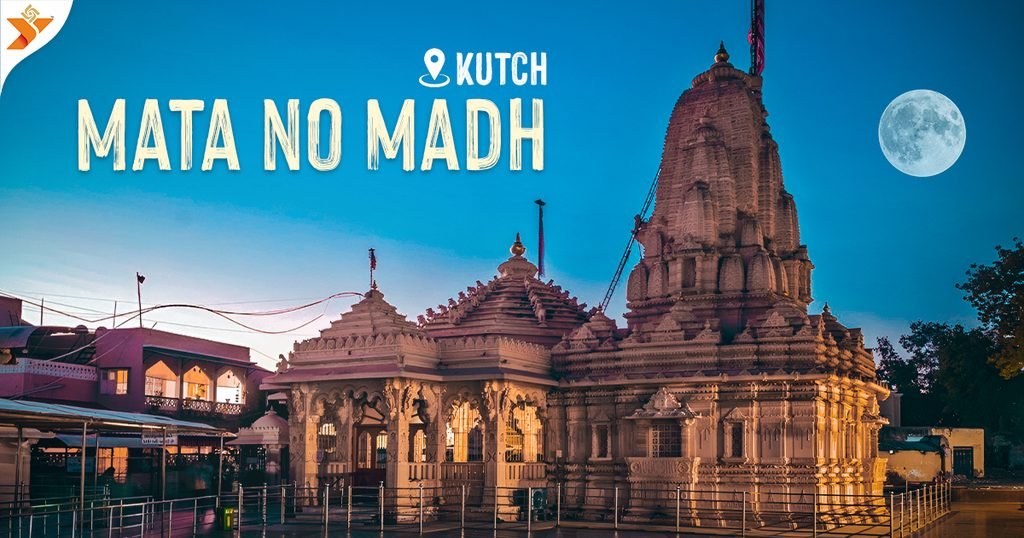
Table of Contents
Section 1: Daily Sacred Rituals & Aarti Participation at Ashapura Temple
The central Mata No Madh activity for every visiting pilgrim revolves around participating in the sacred daily worship (Nitya Puja) inside the main sanctum sanctorum (Garbhagriha) of Maa Ashapura.
Daily Aarti & Darshan Schedule
| Activity / Event | Fixed Daily Schedule | Spiritual Significance |
| Morning Temple Opening | 5:00 AM | Awakening of the sanctuary; entry for early morning devotees. |
| Mangala Aarti | 5:00 AM – 5:15 AM | First morning light prayer offering to Maa Ashapura. |
| Incense / Dhoop Aarti | 9:00 AM – 9:15 AM | Ritual morning incense and sandalwood paste offering. |
| Midday Darshan Closure | 1:00 PM – 3:00 PM | Afternoon rest and Bhog offering; doors temporarily closed. |
| Evening Temple Reopening | 3:00 PM | Resumption of general afternoon public Darshan. |
| Sandhya Aarti | 6:00 PM – 6:30 PM (or 9:00 PM during specific seasons) | Sunset prayer featuring lamps, bells, and community chanting. |
| Night Temple Closure | 9:00 PM | Final temple doors close for the day (extended during Navratri). |
Section 2: Padyatra (Foot Pilgrimage): The Ultimate Devotional Activity
Walking on foot to Mata No Madh (Padyatra) stands as one of the most physically demanding and spiritually rewarding devotional activities in western Gujarat. Every year, hundreds of thousands of pilgrims walk hundreds of kilometers from cities like Bhuj, Rajkot, Ahmedabad, and Surat to reach the shrine during Navratri.
Guidelines for Padyatris (Foot Pilgrims)
- Organized Camps (Seva Camps): Dozens of volunteer organizations setup roadside camps offering free food, medical aid, foot massage machines, and overnight resting tents along the Bhuj-Nakhatrana-Mata No Madh highway.
- Safety Gear: Walk along designated pedestrian lanes, wear reflective vests or bands during night walks, and carry adequate hydration packets.
- Special Entry Queues: The temple trust provides dedicated queue lanes for verified Padyatris entering the complex during peak festival rushes.
Section 3: Exploring Chachra Kund & Sacred Ritual Bathing
Located a short walk from the main temple gates, Chachra Kund is a historic stepwell that serves as a focal point for purification rituals before entering the temple complex.
Activities at Chachra Kund
- Ritual Ablution: Devotees sprinkle holy water from the stepwell onto themselves to cleanse before entering the main sanctum.
- Photography & Historical Walk: The traditional stone architecture and stepped layout provide a historic backdrop for cultural documentation and quiet reflection.
- Rest & Assembly Point: Serves as a major gathering space for pilgrim groups (Sanghs) preparing their ceremonial banners before proceeding to the temple.
Section 4: Manta, Mannat & Offering Rituals for Devotees
Devotees visit Mata No Madh to offer prayers, fulfill solemn vows (Manta or Mannat), and express gratitude for prayers answered by Maa Ashapura.
Common Offering Activities
- Coconut & Chunari Offerings: Presenting red sacred cloths (Chunari), coconuts, and flowers at designated offering counters near the sanctum.
- Babri Ritual (First Haircut): Families perform the ceremonial first haircut (Mundan or Babri) for toddlers within designated areas in the temple complex as a fulfillment of parental vows.
- Special Bhog & Prasad Distribution: Devotees sponsor special sweet offerings (Prasad) through the trust office for distribution to fellow pilgrims.
Section 5: Annakshetra Participation & Community Dining Experience
Participating in the traditional community meal at the Maa Ashapura Annakshetra is an essential spiritual and cultural Mata No Madh activity.
Highlights of the Annakshetra Meal Activity
- Egalitarian Dining: Thousands of pilgrims sit together in spacious, hygienic dining halls regardless of background or status.
- Nutritious Meals: Serves fresh, hot, traditional Gujarati vegetarian meals consisting of Roti, Dal, Rice, and seasonal vegetables.
- Volunteer Opportunities (Seva): Devotees can request the kitchen administrators for opportunities to assist in serving food or cleaning dining spaces as a humble act of devotional service.
Section 6: Participating in Sharad Navratri & Chaitra Navratri Festivities
Navratri turns Mata No Madh into Gujarat’s most vibrant spiritual hub. Devotees travel from across India to take part in religious and cultural events organized throughout the nine sacred nights.
Navratri Activity Highlights & Schedules
| Day / Night | Specific Activity | Participant Guidelines & Expectations |
| Pratipada (Day 1) | Ghatasthapana & Akhand Jyot Sthapana | Early morning assembly; holy invocation ceremony held at the main sanctum deck. |
| Saptami (Day 7) | Midnight Deepotsav & Aarti | Thousands of brass lamps lit simultaneously; open to public viewing in the courtyard. |
| Maha Ashtami (Day 8) | Sacred Havan & Patri Biddha | High spiritual significance; mandatory discipline and controlled queue corridors enforced. |
| Daily Evenings (1-9) | Traditional Kutch Raas-Garba | Night-long devotional Garba performed in village squares with folk music instruments. |
Participating in Devotional Garba
Unlike commercial city venues, Garba at Mata No Madh remains deeply rooted in traditional Kutchi folk devotion.
- Location: The main village square and open courtyards near the temple perimeter.
- Dress Code: Traditional Kutchi attire—Chaniya Choli for women and Kediyu/Dhoti for men—is customary for active circle participants.
- Timing: Begins shortly after the evening Sandhya Aarti (around 9:30 PM) and continues late into the night.
Section 7: Local Handicrafts & Shopping Activities in Mata No Madh Village
Exploring the traditional bazaar surrounding the temple complex is a rewarding Mata No Madh activity for visitors interested in authentic regional art, devotional souvenirs, and Kutchi textiles.
Top Items to Buy at Mata No Madh Market
- Bandhani Textiles: Traditional tie-dye sarees, dupattas, and dress materials created by local Kutchi artisans.
- Kutchi Embroidery & Mirrors: Hand-stitched bags, wall hangings, cushion covers, and traditional jackets featuring intricate needlework.
- Copper Bells & Metalcraft: Hand-forged copper bells (Nirona style) mounted on embroidered leather straps or wall hangings.
- Pooja & Devotional Items: Pure Sindoor, red Chunari, silver coins stamped with Maa Ashapura’s image, and consecrated brass idols.
- Local Dry Snacks & Sweets: Fresh regional specialties including Kutchi Dabeli, dry dates (Kharak), and traditional sweets.
Shopping Tips for Visitors
- Support Local Artisans: Purchase directly from village craft stalls to support rural Kutchi artisan families.
- Authenticity Check: Look for genuine hand-embroidered items rather than mass-produced machine replicas.
- Cash Payments: While mobile digital payments are increasingly accepted, carrying cash is recommended for small roadside vendors.
Section 8: Photography, Architectural Exploration & Heritage Walks
For photography enthusiasts, historians, and culture lovers, the precincts around Mata No Madh provide remarkable architectural and visual elements.
Recommended Heritage Walk Route
- Main Entrance Archway (Toran): Capture the traditional stone carvings and imposing welcome structures framing the shrine entrance.
- Inner Courtyard Architecture: Document the intricate relief work, carved pillars, and traditional dome designs built using local red sandstone.
- Historic Village Corridors: Walk through the winding narrow lanes (Pols) of Mata No Madh village to observe traditional Kutchi village house construction (Bunga influences and stone masonry).
- Chachra Kund Stepwell Views: Frame panoramic wide-angle shots of the stepped water structure during early morning light.
Photography Advisory: Photography and videography are strictly prohibited inside the main inner sanctum (Garbhagriha) where the primary deity resides. Cameras and mobile phones must be stowed away or kept in pockets while inside the inner queue line.
Rank Math SEO Metadata Settings
- Primary Focus Keyword: Mata No Madh Activity
- Secondary Focus Keywords: mata no madh nearby places, bhuj to mata no madh bus, lakhpat fort koteshwar, mata no madh pilgrimage 2026, matanamadh FAQs
- SEO Title: Mata No Madh Activity Part 3: Nearby Excursions, Routes & FAQs (2026)
- Slug/Permalink: mata-no-madh-activity-part-3
- Meta Description: Final part of the Mata No Madh activity guide: plan day trips to Lakhpat Fort, Koteshwar, and Narayan Sarovar, check GSRTC routes, and review top FAQs.
- Featured Image Alt Text: Panoramic View of Koteshwar Mahadev Temple and Arabian Sea Coast Near Mata No Madh Kutch
PART 3: Day Trips, Route Planning & Traveler FAQs (2026)
Continuing our master series on Mata No Madh activity options on matanamadh.in, Part 3 acts as your complete field map for organizing day trips across western Kutch, navigating public transportation via GSRTC, and reviewing vital traveler FAQs for a smooth journey in 2026.
Section 9: Nearby Excursion Activities (Lakhpat Fort, Koteshwar, Narayan Sarovar)
Mata No Madh sits as the geographic gateway to the western edge of Kutch. Pilgrims typically combine their temple visit with day-long sightseeing activities to adjacent historical and coastal sanctuaries.
Recommended Day Excursion Itineraries
| Destination | Distance from Mata No Madh | Key Tourist & Spiritual Activities | Expected Duration |
| Lakhpat Fort | ~38–41 km Northwest | Walk along historic stone bastions, visit Lakhpat Gurudwara Sahib, explore ghost town ruins. | 2 to 3 Hours |
| Narayan Sarovar | ~57–58 km West | Ritual holy dip in one of India’s sacred Panch-Sarovar lakes; visit ancient Vishnu temples. | 1.5 to 2 Hours |
| Koteshwar Mahadev Temple | ~60–62 km West | Sunset viewing over the Arabian Sea, Shiva temple worship at India’s western coastal tip. | 1.5 to 2 Hours |
| Dhinodhar Hill | ~55 km East | Trekking up the volcanic hill, visiting Saint Dharmanath’s shrine and Nath monastery. | 3 to 4 Hours |
Section 10: Complete Travel Route Logistics & Bus Schedules via GSRTC
Reaching Mata No Madh for your devotional activities is straightforward due to the extensive public state transport network linking Kutch with the rest of Gujarat.
Access Routes & GSRTC Transport Options
- From Bhuj Railway Station / Bus Stand (~95 km): State transport buses operated by GSRTC depart continuously from Bhuj Bus Terminal every 30 to 45 minutes. Total road travel time via State Highway 42 is roughly 2 hours.
- From Gandhidham (~155 km): Direct express buses connect Gandhidham Junction with Mata No Madh via Bhuj and Nakhatrana.
- Direct Long-Distance Express Buses: During Navratri and peak winter months, GSRTC deploys direct overnight sleeper and express buses from major cities including Ahmedabad, Surat, Rajkot, and Vadodara.
Traveler Activity Route Checklist
- Departure from Bhuj: Catch an early morning GSRTC bus or taxi along the Bhuj-Lakhpat State Highway.
- Transit Stop at Nakhatrana: Brief refreshment break at Nakhatrana town (~50 km mark).
- Arrival at Mata No Madh: Alight at the main village bus stop, located less than 400 meters from the temple complex.
- Onward Coastal Circuit: Hire a local shared taxi or catch afternoon buses toward Narayan Sarovar and Koteshwar.
Section 11: Frequently Asked Questions Regarding Activities & Visitor Rules
Q1: What are the primary temple activities available for a one-day visitor at Mata No Madh?
Answer: A standard one-day visit includes attending the morning or evening Aarti, taking part in general Garbhagriha Darshan, visiting the historical Chachra Kund, enjoying a free lunch at the Annakshetra, and exploring the local craft market.
Q2: Can I participate in the late-night Garba during Navratri?
Answer: Yes, devotional Garba takes place nightly in the village squares around the temple during Sharad Navratri and is open to all respectful visitors. Wearing traditional attire is recommended for circle participants.
Q3: Are there specific dress code rules for participating in temple rituals?
Answer: Yes, traditional and conservative clothing is mandatory. Men generally wear shirts with trousers or traditional Dhoti/Kurta, while women wear Sarees or Salwar Suits. Shorts, sleeveless tops, and revealing clothes are forbidden inside the temple.
Q4: Is photography permitted during temple activities?
Answer: Photography and video recording are allowed in the outer courtyards and village areas, but are strictly prohibited inside the main sanctum (Garbhagriha).
Q5: How can I arrange a trip to nearby Lakhpat and Koteshwar from Mata No Madh?
Answer: Local taxis and auto-rickshaws can be hired directly from the main vehicle stand in Mata No Madh village for a round-trip circuit covering Lakhpat Fort, Narayan Sarovar, and Koteshwar Mahadev Temple.