
To truly understand the spiritual and administrative heartbeat of Kutch’s most revered shrine, one must delve deep into the Mata No Madh Gadipati history. For centuries, the Ashapura Mata temple at Mata No Madh has been uniquely governed not by traditional Brahmin priests, but by the ascetic ascendants of the Kapdi Sampradaya, whose head is granted the royal and spiritual title of Gadipati (Seat Holder) or Raja Bava (King-Priest).
This ultimate historical guide on matanamadh.in meticulously chronicles the foundation of this sacred seat, the lineage of the Kapdi priests, their historical treaties with the Jadeja Rajput kings of Kutch, and their modern role in 2026.
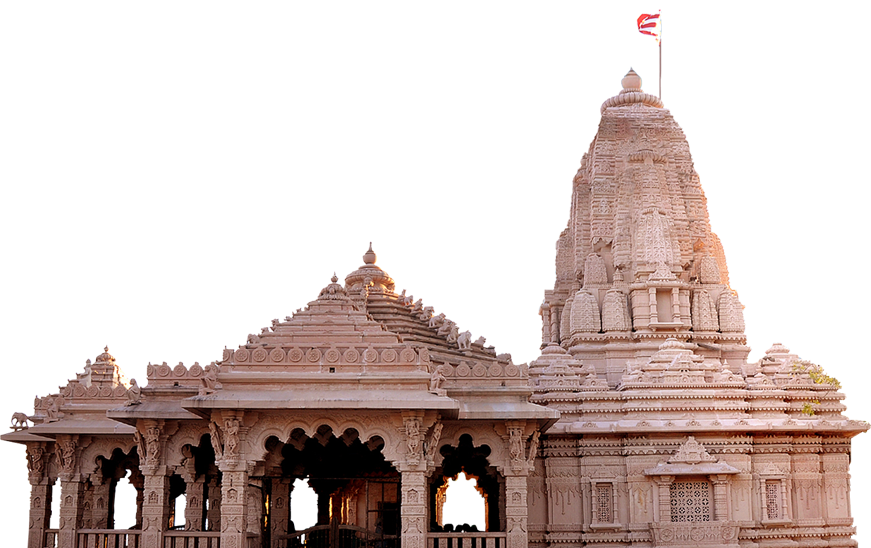
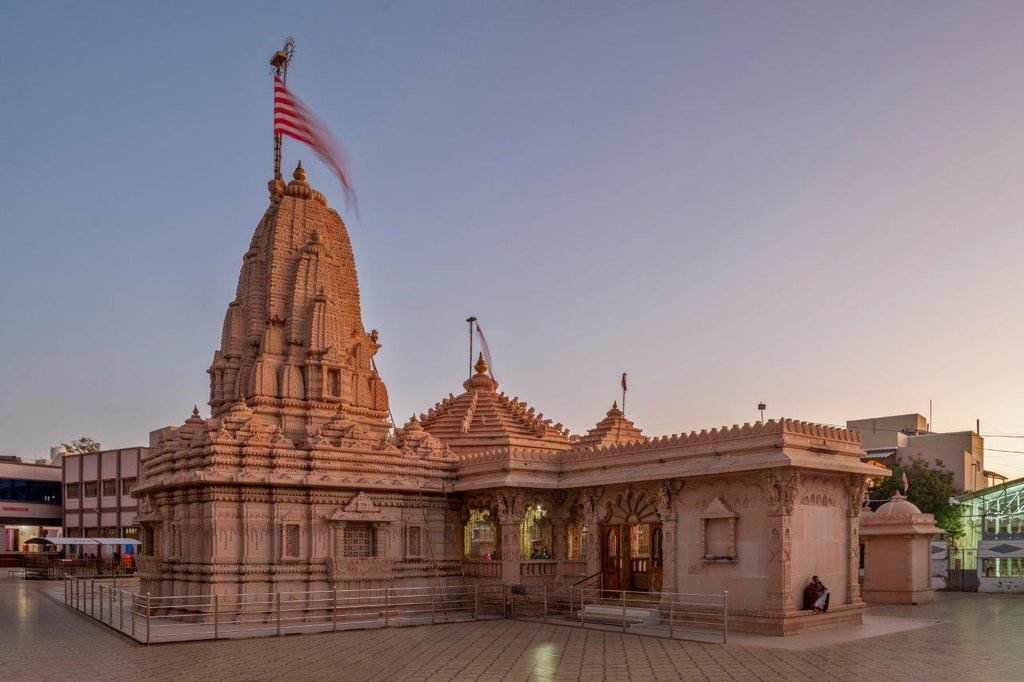
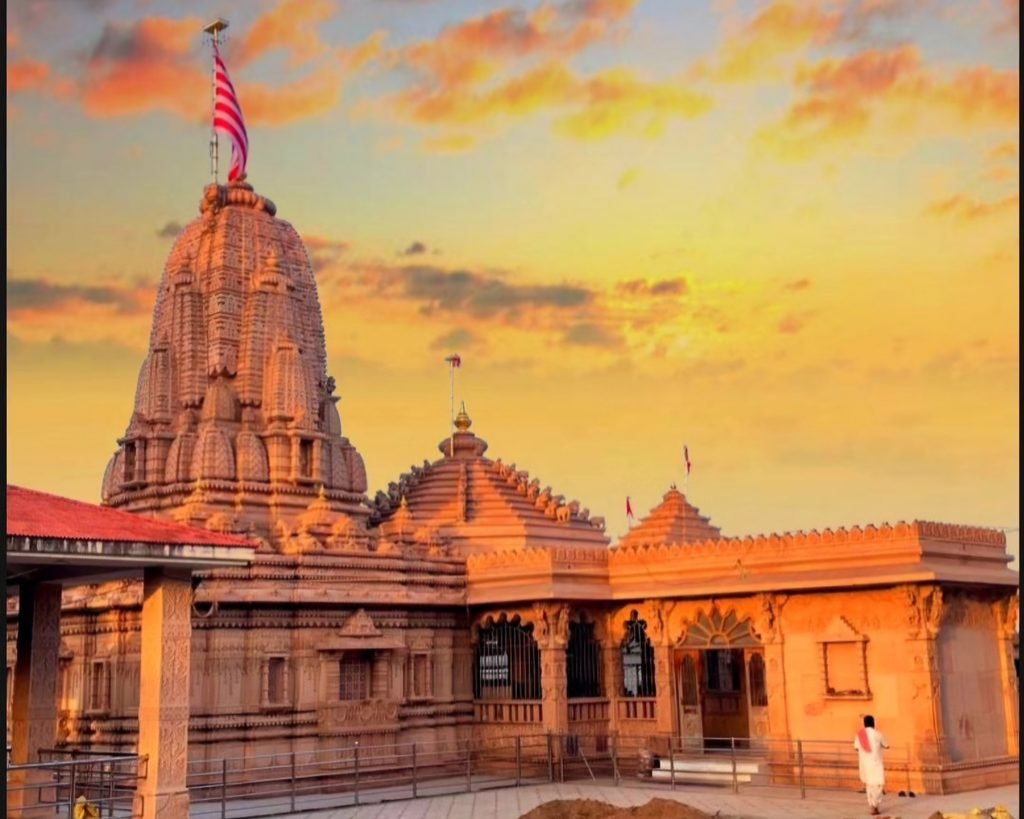
Table of Contents
Section 1: Introduction to the Mata No Madh Gadipati History
At the core of the Ashapura temple’s mystique is a centuries-old administrative and spiritual framework. Unlike most major Hindu temples managed by government-appointed boards or hereditary Brahmin families, matanomadh operates under a unique monastic system.
The head of this system is the Gadipati. Tracing the Mata No Madh Gadipati history reveals a fascinating blend of ascetic renunciation and royal authority. The Gadipati does not just perform puja (worship); historically, he acted as an autonomous ruler within the boundaries of the Mata No Madh Jagir (estate). He held a court, collected taxes, and administered justice for the villages granted to the temple by the Maharaos (Kings) of Kutch.
Section 2: The Origins of the Kapdi Sampradaya in Western India
The caretakers of mata na madh belong strictly to the Kapdi Sampradaya, an ancient ascetic sect predominantly found in Gujarat, Rajasthan, and Sindh.
Key Characteristics of the Kapdi Sect
- Ascetic Roots: The Kapdis are traditionally wandering mendicants and worshippers of the Divine Mother (Shakti) and Lord Rama.
- Unique Attire: Historically, they wore distinct ochre or patchwork garments, which differentiated them from the Nath Panthis or Naga Sadhus.
- Celibacy: True to their ascetic vows, initiated monks of the sect do not marry.
- Tutelary Duty: Over centuries, various branches of Kapdis transitioned from wandering monks to settled custodians of major Shakti Peethas and local Goddess shrines across Saurashtra and Kutch.
The arrival of the Kapdi monks in the rugged terrains of Lakhpat Taluka aligned with the miraculous appearance of Maa Ashapura, setting the stage for a permanent spiritual settlement.
Section 3: Establishment of the Sacred Gadi (Spiritual Seat)
The formalization of the matanamadh estate and the Gadipati’s seat dates back to the 14th century, coinciding with the rise of the Jadeja Rajput dynasty in Kutch.
According to documented chronicles preserved by the Kutch District Administration, two Karad Vania ministers—Ajo and Anagor—were instrumental in the early construction of the temple complex. However, the spiritual custodianship was handed over to a revered Kapdi ascetic.
Chronology of the Gadi Establishment
- Divine Manifestation: The Swayambhu (self-manifested) red stone idol of Maa Ashapura is discovered.
- First Ascetic Custodian: A Kapdi saint establishes a small hermitage (Madh) around the idol to offer continuous prayer.
- Royal Patronage: King Jam Lakho Phulani and later Jadeja rulers experience battlefield victories attributed to Maa Ashapura.
- Formalization of the Gadi: The Maharaos of Kutch officially recognize the head Kapdi monk as the ultimate spiritual authority of the shrine, granting him the sacred Gadi (throne).
Section 4: The Unique Dual Title: The Meaning of ‘Raja Bava’
One of the most fascinating aspects of the Mata No Madh Gadipati history is his title: Raja Bava.
In the Gujarati and Kutchi languages, Bava respectfully refers to an ascetic, monk, or sadhu. Raja translates to King. Therefore, the Gadipati is literally the “Monk King.”
Why a Monk is Called a King
- Sovereign Estate: The Maharaos of Kutch granted the Mata No Madh village and surrounding lands entirely to the temple. Within this territory, the Gadipati enjoyed sovereign rights.
- Royal Insignia: The Gadipati was allowed to carry royal insignias—a Chhatra (parasol), Chamar (fly-whisk), and his own palanquin.
- Exemption from State Taxes: The temple’s Jagir was highly independent. The Gadipati did not pay taxes to the Kutch state; instead, he managed the local economy to fund the temple’s massive Annakshetra (free kitchen).
- Durbar (Court): The Gadipati held his own court to resolve disputes among his tenants and devotees, functioning exactly like a feudal lord, yet bound by strict ascetic vows.
Section 5: Traditional Succession Laws: The Guru-Shishya Parampara
Because the Gadipati must adhere to a strict vow of celibacy (Brahmacharya), succession cannot pass from father to son. Instead, the Mata No Madh trust relies on the ancient Guru-Shishya Parampara (Master-Disciple tradition).
The Step-by-Step Succession Process
- Selection of the Chela: The reigning Raja Bava selects a young, promising disciple (known as a Chela) from within the Kapdi community.
- Initiation and Training: The chosen Chela undergoes years of rigorous training in Vedic scriptures, the specific Tantric and Agamic rituals of Maa Ashapura, and the administrative duties of the Jagir.
- The Vow of Renunciation: The Chela officially cuts ties with his biological family, takes ascetic vows, and is designated as the heir apparent.
- Coronation (Pattabhishekam): Upon the passing of the reigning Gadipati, a grand coronation ceremony is held. The Maharao of Kutch (or currently, his descendants and state officials) historically placed the Tilak on the new Gadipati’s forehead, officially recognizing him as the new Raja Bava.
This unbroken chain of succession has ensured that the administration of the shrine remains fiercely independent, deeply traditional, and utterly devoted to the Mother Goddess.
Section 6: The Royal Connection: Gadipati and the Jadeja Dynasty
The historical trajectory of mata no madh is inseparable from the Jadeja Rajputs who ruled Kutch from the 14th century until the integration of princely states into modern India.
The Sacred Pact between King and Ascetic
- Kuldevi Guardianship: Maa Ashapura was adopted as the official family deity (Kuldevi) of the Jadeja clan. Every political triumph, military victory, or royal coronation required the divine blessings of the deity through her chosen earthly custodian, the Raja Bava.
- Mutual Autonomy: A sacred understanding existed between the Maharao (King of Kutch) and the Gadipati (Raja Bava). While the Maharao ruled the state from his capital at Bhuj, he showed complete submission inside the sacred boundaries of matanomadh, dismounting from his horse or palanquin before entering the village square.
- The Royal Pilgrimage: Historically, the Maharao made an annual pilgrimage to the temple during Navratri, received personally by the Gadipati with full courtly honors.
Section 7: The Patri Bidh Ceremony & The Gadipati’s Role
The most crucial, high-stakes annual event involving the Gadipati and the royal family is the ancient Patri Bidh ceremony, performed during Ashwin (Sharad) Navratri.
What is Patri Bidh?
Patri refers to the divine, blessed flower or leaf fallen from the idol of Maa Ashapura during intense prayer. The ritual determines whether the deity accepts the royal family’s devotion and grants protection to the land of Kutch for the coming year.
Sequence of the Patri Bidh Ritual
| Step Number | Phase Name | Description & Ritual Action | Key Participants |
| Step 1 | Royal Arrival | The descendant of the Maharao arrives at Mata No Madh on Ashwin Saptami/Ashtami night. | Head of Jadeja Royal Family, State Dignitaries |
| Step 2 | Sanctuary Entry | The Maharao enters the inner sanctum alongside the Gadipati under tight ritual security. | Raja Bava, Maharao, Senior Kapdi Priests |
| Step 3 | Offering of Sacrifice | Traditional symbolic offerings (Nived and Havan offerings) are presented to Maa Ashapura. | Raja Bava & Royal Family |
| Step 4 | The Falling of Patri | All present wait in deep silence until a flower (Patri) drops from the deity’s hand/shoulder onto the extended cloth. | Maa Ashapura (Miracle), Maharao |
| Step 5 | Public Announcement | The Gadipati verifies the fallen Patri, hands it to the Maharao, and announces divine acceptance to the waiting crowd. | Gadipati (Raja Bava) |
Section 8: Historical Land Grants, Jagirs, and Temple Wealth
To ensure the temple could operate its famous continuous free food kitchen (Annakshetra) and accommodate thousands of pilgrims, successive Maharaos granted vast tracts of land to the Gadi.
Estate Structure of the Mata No Madh Jagir
- Freehold Village Grants: The entire village of Mata No Madh, along with surrounding revenue-generating agricultural lands (such as areas in Lakhpat and Nakhatrana talukas), was granted as an Inam (tax-free gift) to the Raja Bava.
- Revenue Collection: The Gadipati had full administrative rights to collect agricultural produce, grain, and local tariffs, which were channeled directly into temple upkeep, dharamshala construction, and charity.
- Autonomy from State Taxes: No tax collector from the Kingdom of Kutch could enter the Jagir without the explicit permission of the reigning Gadipati.
Section 9: The Durbar of the Raja Bava: Courtly Traditions
Because the head of matanamadh held the dual status of monk and king, his daily life incorporated courtly traditions reminiscent of royal durbars.
Courtly Elements of the Raja Bava’s Seat
| Courtly Element | Symbolic & Operational Purpose |
| The Royal Gadi (Throne) | A raised, cushioned seat adorned with silver velvet where the Gadipati received visitors and held council. |
| Chhatra & Chamar | The ceremonial silver umbrella (Chhatra) and fly-whisk (Chamar) held by attendants during public appearances. |
| State Palanquin | A specialized wooden palanquin used exclusively to transport the Raja Bava during religious processions around the village. |
| Judicial Council | Local disputes among residents of the Jagir were brought before the Raja Bava, whose verdict was final and legally recognized by the Maharao. |
Section 10: Preservation of the Swayambhu Ashapura Idol
A primary religious duty entrusted to the Mata No Madh Gadipati history lineage is the physical and ritual preservation of the self-manifested (Swayambhu) idol of Maa Ashapura.
Sacred Maintenance Protocols
- Sindoor Application: The idol is coated with natural red lead (Sindoor) and precious ointments according to ancient Agamic guidelines overseen by the Gadipati.
- Sanctum Secrecy: Only initiated Kapdi monks approved directly by the Gadipati are allowed to enter the innermost chamber (Garbhagriha) to touch, bathe, or dress the deity.
- Emergency Protection: During times of historic invasions or severe natural disasters, the Gadipati was personally responsible for sealing or protecting the sanctum to prevent sacrilege.
Rank Math SEO Metadata Settings
- Primary Focus Keyword: Mata No Madh Gadipati History
- Secondary Focus Keywords: mata no madh, matanomadh, mata na madh, matanamadh, raja bava administrative duties, kapdi sampradaya regalia, kutch temple earthquakes rebuilding, ashapura temple history
- SEO Title: Mata No Madh Gadipati History Part 3: Regalia, Duties & Resiliency
- Slug/Permalink: mata-no-madh-gadipati-history-part-3
- Meta Description: Part 3 of the Mata No Madh Gadipati history (2026). Explore the Raja Bava’s daily duties, sacred regalia, famous lineage figures, and temple rebuilding efforts.
- Featured Image Alt Text: Historic Regalia and Rebuilt Sandstone Architecture of Mata No Madh Temple Kutch
The Official Mata No Madh Gadipati History & Kapdi Lineage Guide (2026): Part 3
Continuing our definitive historical series on matanamadh.in, Part 3 delves into the operational, ceremonial, and disaster-resilience history of the Gadi. From managing complex multi-shrine spiritual jurisdictions across Kutch to surviving devastating seismic events, the lineage of the Raja Bava has remained the immovable pillar of Mata No Madh.
Section 11: Daily Administrative Duties of the Gadipati
While the Mata No Madh Gadipati history is steeped in royal prestige and spiritual asceticism, the daily routine of the Raja Bava is demanding and structured around rigorous temple operations.
Daily Schedule and Responsibilities of the Raja Bava
| Time Window | Primary Duty Category | Operational & Ritual Activities |
| 04:30 AM – 06:00 AM | Morning Sanctum Inspection | Overseeing the opening of the Garbhagriha, inspecting the preparation of Mangla Aarti, and conducting personal Sadhana. |
| 09:00 AM – 11:30 AM | Public Durbar & Audience | Sitting upon the official Gadi to receive pilgrims, review requests, grant blessings (Ashirvad), and hear community concerns. |
| 11:30 AM – 01:30 PM | Annakshetra Supervision | Inspecting the quality and preparation of free meals served to thousands of daily pilgrims in the Prasad halls. |
| 03:30 PM – 05:30 PM | Jagir & Trust Management | Reviewing estate records, property maintenance, dharamshala bookings, and financial accounts with trust administrators. |
| 07:00 PM – 08:30 PM | Sandhya Aarti & Night Rituals | Presiding over the main evening prayers, light ceremonies at Dip Stambh, and final security verification of the inner temple. |
Section 12: Religious Jurisdictions Across Kutch Shrines
The spiritual authority of the Gadipati of matanamadh extends beyond the borders of the central village. Historically, the Gadi maintained formal administrative or ritual jurisdiction over several affiliated shrines across western Kutch.
| Jurisdiction Category | Key Locations & Assets |
| Direct Temple Sanctuaries | • Deshdevi Maa Ashapura Sanctum • Chachra Kund & Dip Stambh • Local Village Annakshetra & Estate |
| Affiliated Monastic Seats | • Than Jagir (Dhinodhar Relations) • Regional Kapdi Deris (Lakhpat / Nakhatrana) • Secondary Ashapura Shrines (Bhuj / Gharana) |
- Relations with Than Jagir (Dhinodhar): While Than Jagir belongs to the Nath Panth, historical diplomatic courtesy was maintained between the Raja Bava of Mata No Madh and the Pir of Dhinodhar, recognizing each other’s sovereign monastic domains.
- Secondary Ashapura Shrines: When satellite shrines of Maa Ashapura were established in Bhuj, Ravapar, or other towns, ritual consecration (Prana Pratishtha) guidelines were traditionally validated by the head Kapdi priest of the primary seat.
Section 13: The Gadipati’s Regalia: Robes, Crown, and Symbols
The unique dual role of the Raja Bava—combining the austerity of a monk with the dignity of a ruler—is visually reflected in his traditional attire and sacred regalia.
Ceremonial Regalia Breakdown
- Saffron Robes (Bhagwa Vastra): Standard unstitched ochre or saffron garments denoting absolute detachment from worldly desires and adherence to Brahmacharya.
- Ceremonial Turbans (Pagdi): During major festivals like Navratri, the Gadipati wears a distinctive royal Kutchi turban decorated with ceremonial insignia.
- Gold and Silver Staff (Raja Danda): A ornate silver-plated staff carried ahead of the Raja Bava during formal processions to symbolize spiritual authority and law.
- Signet Ring & Royal Seal: A historical carved seal used to stamp official Firmans (decrees), land agreements, and institutional letters issued by the Gadi.
Section 14: Famous Historical Raja Bavas and Their Contributions
Throughout the centuries of mata na madh history, several prominent Raja Bavas left an indelible mark through visionary administration, scholarly pursuits, and defense of the shrine.
Key Historical Figures in the Lineage
| Name / Title | Era / Period | Notable Achievements & Legacy |
| Bava Harjibhai Kapdi | Early Lineage | Codified the initial oral traditions and daily Agamic worship procedures for Maa Ashapura. |
| Raja Bava Sundarji | 18th Century | Negotiated extensive land grant protection during periods of regional geopolitical instability in Kutch. |
| Raja Bava Ladhabava | 19th Century | Overseeing the grand reconstruction of the main temple following the cataclysmic earthquake of 1819. |
| Raja Bava Keshargarji | 20th Century | Modernized the Annakshetra facilities and welcomed democracy-era transitions while protecting trust autonomy. |
Section 15: Surviving the 1819 and 2001 Earthquakes: Rebuilding the Madh
The geographical position of Kutch makes it highly susceptible to severe seismic activity. The resilience of the Mata No Madh temple complex is a testament to the leadership of the Gadi during moments of historic crisis.
The Great Earthquake of 1819
In June 1819, a massive earthquake devastated Kutch, collapsing the original 14th-century temple structure.
- The Rebuilding Vision: The reigning Raja Bava mobilized resources alongside wealthy Kutchi merchants, Sundarji Shivji and Mehta Vallabhaji.
- 1823 Restoration: By 1823 (Samvat 1880), a far grander sandstone structure—measuring 58 feet in length, 32 feet in width, and 52 feet in height—was successfully completed and consecrated.
The Bhuj Earthquake of January 26, 2001
The catastrophic 2001 earthquake caused severe structural fractures to the main dome, boundary walls, and surrounding dharamshalas.
- Protecting the Deity: Under the guidance of the Gadi and the Shri Mata Na Madh Jagir Trust, immediate measures were taken to secure the sacred Swayambhu idol, which miraculously suffered zero damage.
- Modern Reconstruction: Using advanced earthquake-resistant engineering combined with traditional Kutchi yellow sandstone carving, the temple was meticulously restored to its full glory, ensuring safety for generations to come.
Section 16: The Transition to Democracy: Abolition of Princely States
When Kutch integrated into the Union of India in 1948 and subsequently became a district of Gujarat state, the centuries-old feudal status of royal jagirs underwent a fundamental shift.
Adapting Feudal Privileges to Constitutional Laws
- Abolition of Inam Lands: With the implementation of post-independence land reform and jagir abolition acts, the royal tax-collection privileges of the Raja Bava were legally phased out.
- Preserving Sacred Autonomy: Unlike pure agricultural jagirs, matanomadh was recognized as a public religious endowment. Legal frameworks were carved out to ensure the core religious functions, rituals, and Guru-Shishya lineage remained intact under the custodianship of the Kapdi Sampradaya.
- From Feudal Lord to Institutional Custodian: The Gadipati transitioned gracefully from an absolute estate ruler into the hereditary spiritual head and lifetime trustee of the shrine.
Section 17: Formation of the Shri Mata Na Madh Jagir Trust
To manage the temple’s vast assets, pilgrim infrastructure, and daily offerings under modern Indian law, the administration was formalized under a registered public charitable trust.
Structure of the Shri Mata Na Madh Jagir Trust
| Governance Division | Key Positions & Entities |
| Spiritual & Hereditary Leadership | • Hereditary Head: The Gadipati (Raja Bava) • Kapdi Sampradaya Monastic Council • Senior Ritual Custodians |
| Administrative Governance | • Executive Secretary & Managers • District Collectorate Representatives • Advisory Board of Local Community Leaders |
This hybrid governance model ensures that while financial auditing and public safety adhere to statutory norms, no government body can interfere with the sacred ritual traditions or the appointment of the next Gadipati.
Section 18: Modern Legal Frameworks and State Government Interventions
In the modern era, the relationship between the Gadi of mata na madh and the Government of Gujarat is characterized by active collaboration, especially regarding large-scale infrastructure and crowd management.
Legal and Statutory Provisions
- Bombay Public Trusts Act, 1950: The trust operates strictly under the legal guidelines of the Public Trust Registration frameworks of Gujarat.
- Devasthan Management: While state authorities manage mega-event logistics (such as extra GSRTC buses, medical camps, and police security during Navratri), inner-sanctum access and ritual timings remain under the exclusive command of the Gadipati.
- Land & Asset Records: All historic Inami properties, dharamshalas, and new pilgrim complexes are legally registered in the name of the Trust, headed by the Gadi.
Section 19: Philanthropy & Social Initiatives Led by the Gadi
In keeping with the ancient vow that no visitor to matanamadh should leave hungry or unsheltered, the modern Trust—under the Gadipati’s leadership—has vastly expanded its social and philanthropic footprint.
Major Social Initiatives
| Program / Facility | Operational Scope & Impact |
| 24/7 Annakshetra | Serves free, wholesome hygienic meals (Prasad) to tens of thousands of pilgrims daily without distinction of caste or creed. |
| Modern Dharamshalas | Operates extensive AC and non-AC lodging complexes offering clean, affordable accommodations to families and walking pilgrims (Padyaris). |
| Disaster Relief & Gaushala | Manages large cattle shelters (Gaushalas) for indigenous Kutch cow breeds and provides immediate food/water relief during drought years. |
| Medical & Educational Support | Grants financial aid to local schools, rural health camps, and emergency ambulance services across Lakhpat Taluka. |
Section 20: Navratri 2026: The Gadipati’s Festival Schedule
The highlight of the spiritual calendar at Mata No Madh is the grand Ashwin Navratri festival. Below is the official ritual schedule observed by the Gadipati and the Kapdi priesthood for Navratri 2026:
Official Gadipati Schedule for Ashwin Navratri 2026
- Oct 11, 2026 (Ashwin Sud Ekam): Ghatasthapana & Gharba Muhurat — The Gadipati presides over the sacred pot installation in the inner sanctum.
- Oct 17, 2026 (Ashwin Sud Chhath): Commencement of the intense special midnight Aarti ceremonies.
- Oct 18, 2026 (Ashwin Sud Saptami): The Sacred Patri Bidh Ritual — Late-night joint ceremony with the descendant of the Maharao of Kutch in the inner sanctum.
- Oct 19, 2026 (Ashwin Sud Ashtami): Havan Yajna — The Gadipati performs the final Aahuti (offering) at the central temple fire pit.
- Oct 20, 2026 (Ashwin Sud Navami): Public Durbar and mass blessing session for thousands of Padyaris (walking pilgrims) returning home.
Section 21: How Devotees Can Seek Blessings from the Gadipati
For pilgrims visiting matanamadh, receiving a personal audience or blessing (Charan Sparsh / Ashirvad) from the reigning Gadipati is considered a deeply spiritual highlight of the pilgrimage.
Protocols and Etiquette for Meeting the Raja Bava
- Audience Hours: The Gadipati traditionally holds public audience (Durbar) daily at his official residence adjacent to the main temple complex, typically between 09:30 AM – 11:30 AM and 04:00 PM – 05:30 PM (subject to ritual schedules).
- Dress Code & Conduct: Devotees must dress modestly in traditional attire. Shoes must be removed before entering the Gadi room.
- Offerings: While no mandatory fees or monetary tokens are required, pilgrims traditionally offer dried fruits, coconut (Nafli), or saffron cloth (Panetar) as a mark of respect to the Gadi.
- Personal Counseling: Devotees seeking spiritual guidance or ancestral blessings for family well-being can request a brief personal interaction during off-peak non-festival months.
Section 22: Archival Records & Historic Documents of the Lineage
The history of the Kapdi Gadi is supported by a rich repository of written historical documents preserved in both public archives and private temple vaults.
Key Historic Records Documenting the Gadi
| Document Type | Primary Location / Vault | Historical Significance |
| Copper Plate Inscriptions (Tamrapatra) | Kutch Museum (Bhuj) & Temple Vault | Records early land grants and tax immunities issued by 15th and 16th-century Jadeja rulers to the Kapdi priests. |
| Royal Firmans (Decrees) | Shri Mata Na Madh Jagir Trust Archives | Official letters stamped with the seal of the Maharaos of Kutch recognizing the judicial authority of the Raja Bava. |
| Gazetteers of the Bombay Presidency | British Library & Gujarat State Archives | 19th-century administrative records detailing the economic output, village count, and population under the Mata No Madh Jagir. |
| Geneological Scrolls (Vanshavali) | Kapdi Monastic Library | Hand-drawn lineage scrolls tracing the unbroken Guru-Shishya succession from the founding Kapdi saint to the present day. |
Section 23: Frequently Asked Questions (FAQs) About the Raja Bava
Q1: Is the Gadipati of Mata No Madh a Brahmin?
No. The custodians of mata no madh belong exclusively to the Kapdi Sampradaya, an ancient ascetic order. While they perform high-level Vedic and Agamic worship of Maa Ashapura, they follow their own distinct monastic codes rather than traditional hereditary Brahmin priesthood rules.
Q2: Why is the Gadipati called ‘Raja Bava’?
The title combines Raja (King) and Bava (Ascetic/Sadhus). It was bestowed because the Maharaos of Kutch granted the Gadipati complete sovereign administrative, judicial, and revenue authority within the boundaries of the Mata No Madh Jagir estate.
Q3: Can the Raja Bava marry or have children?
No. The Gadipati takes strict lifelong vows of celibacy (Brahmacharya). Because there is no biological lineage, succession passes from the reigning Master to his chosen and initiated disciple (Chela) through the Guru-Shishya Parampara.
Q4: What is the Gadipati’s role during Navratri?
The Gadipati presides over the central rituals, including the Ghatasthapana, the solemn midnight Patri Bidh ritual alongside the Jadeja royal family representative, the final Havan Yajna on Ashtami, and granting blessings to walking pilgrims (Padyaris).
Section 24: Connecting Gadipati Lineage with Other Kutch Monasteries
The Kapdi Gadi at matanamadh does not exist in isolation; it shares deep cultural and historical ties with other legendary monastic seats across Kutch and Saurashtra.
| Sacred Branch | Key Attributes & Focus |
| Mata No Madh (Kapdi Gadi) | • Center of Shakti Worship • Custodian of Kuldevi Ashapura • Ascetic-Monarch Administrative Model |
| Than Jagir (Nath Panth) | • Mount Dhinodhar Monastery • Founded by Dhoramnath • Associated with Severe Penance & Yoga |
- Than Jagir (Dhinodhar): Located nearby in Nakhatrana, Than Jagir is the seat of the Kanphata Nath yogis. Historically, both Mata No Madh and Than Jagir operated as independent monastic fiefdoms recognized by the state of Kutch, maintaining mutual diplomatic respect.
- Regional Kapdi Deris: Smaller Kapdi hermitages across Sindh, Kutch, and Saurashtra look toward Mata No Madh as their spiritual anchor and primary seat of maternal Shakti worship.
Section 25: Conclusion & Preserving the Legacy for Future Generations
The Mata No Madh Gadipati history is far more than a chronicle of a temple office; it is the living story of Kutch’s cultural identity. For over six centuries, through royal dynasties, foreign invasions, political integration, and catastrophic earthquakes, the Raja Bava and the Kapdi Sampradaya have stood as steadfast guardians of Maa Ashapura’s sanctuary.
As we look ahead through 2026 and beyond, the synthesis of ancient spiritual tradition with modern charitable governance ensures that mata na madh will remain an eternal beacon of faith, hospitality, and divine protection for millions of devotees worldwide.