
Embarking on the ultimate Narayan Sarovar & Mata No Madh day trip offers one of the most spiritually enriching and culturally deep journeys across the vast landscape of Western Kutch. Located in the westernmost region of Gujarat, this sacred pilgrimage route bridges two of the state’s most revered shrines: the ancient temple of Ashapura Mata at Mata No Madh and the holy waters of Narayan Sarovar, one of the five sacred lakes (Panch-Sarovar) mentioned in classical Hindu mythology.
For pilgrims, cultural enthusiasts, and road-trippers planning their itinerary for 2026, structuring a seamless single-day excursion requires accurate logistical foresight. From understanding seasonal weather patterns to calculating accurate taxi tariffs and selecting the most efficient sightseeing sequence, detailed planning makes all the difference. At [matanamadh.in], our mission is to provide trusted, up-to-date, and actionable field intelligence for every traveler venturing into the heart of Kutch.
Whether you are starting your journey from the historic town of Bhuj or basing yourself near the holy township of Mata No Madh, this definitive guide provides complete clarity on route navigation, transport expenses, temple schedules, and regional highlights.
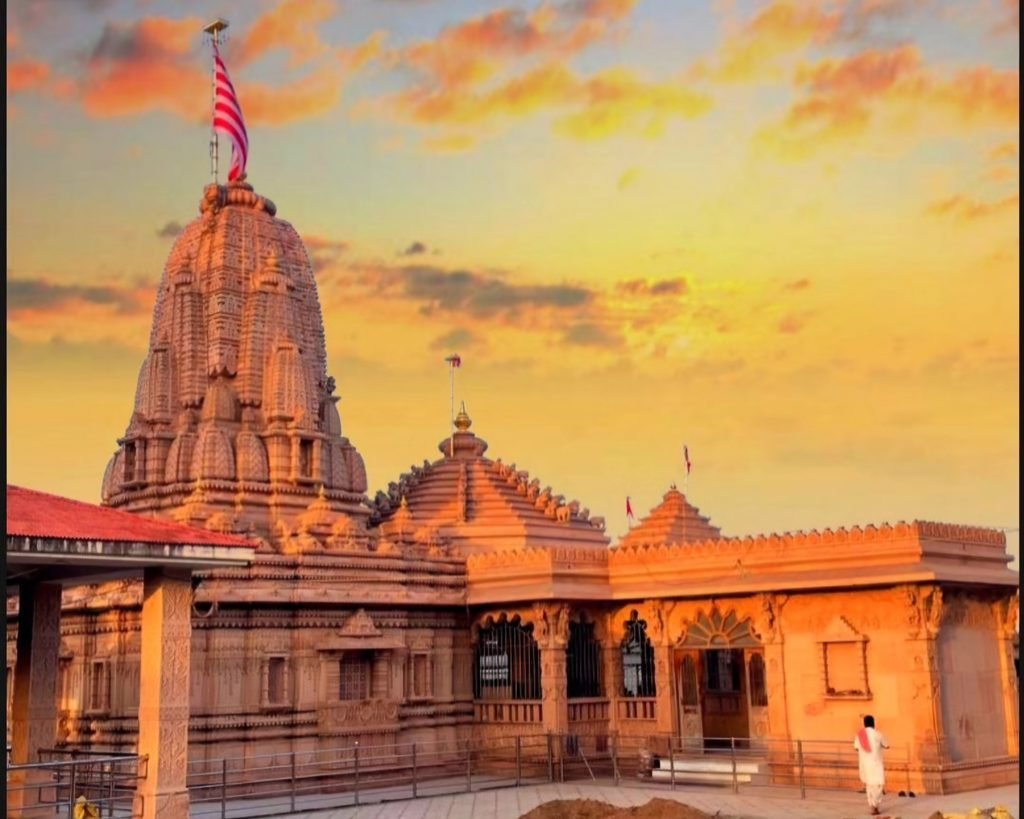
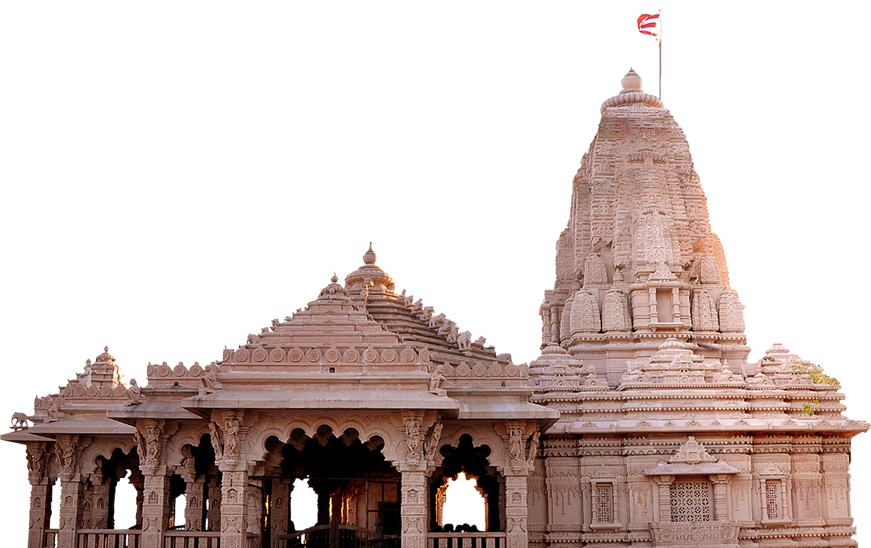

Table of Contents
Quick Navigation Index
- Overview of the Sacred Western Kutch Pilgrimage Circuit
- Comprehensive Route Map & Distance Breakdown
- Cab Costs, Vehicle Types & Transportation Options (2026 Pricing)
- Recommended Sightseeing Sequence & Time Allocation
- Deep Dive: Visiting Ashapura Mata Temple at Mata No Madh
- Deep Dive: Visiting the Holy Narayan Sarovar Shrines
- Essential Side Trips: Koteshwar Mahadev Temple & Lakhpat Fort
- Practical Travel Tips, Dress Codes & Local Guidelines
Section 1: Overview of the Sacred Western Kutch Pilgrimage Circuit
The western belt of the Kutch district is defined by its rugged landscape, rich heritage, and profound spiritual significance. The duo of Mata No Madh and Narayan Sarovar forms the core of the regional pilgrimage circuit, drawing hundreds of thousands of devotees annually—especially during the auspicious period of Ashvin Navratri.
The Spiritual Significance of Mata No Madh
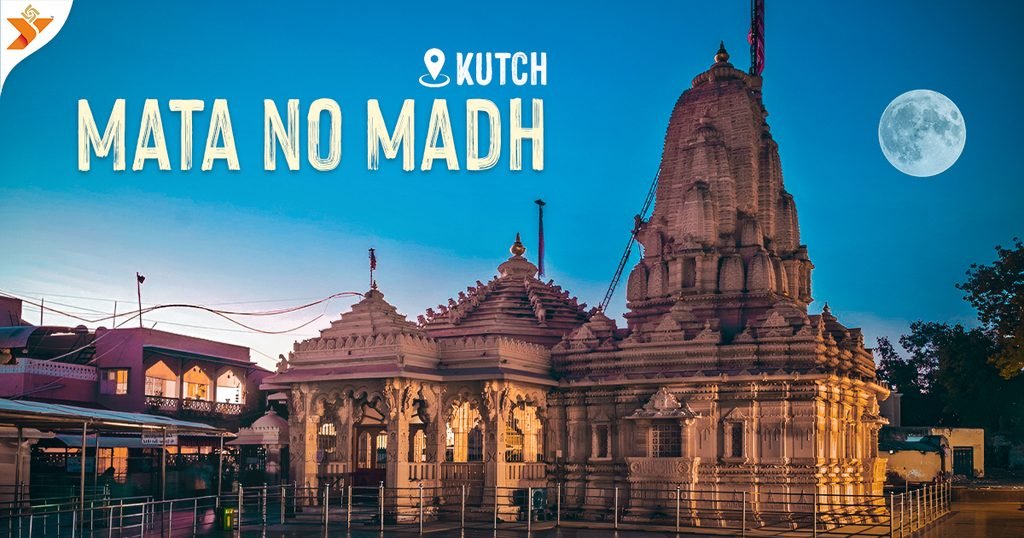
Mata No Madh (frequently searched as matanamadh, mata na madh, or matanomadh) serves as the principal seat of Kuldevi Ashapura Mata, the patron deity of the Jadeja rulers of Kutch and the guardian goddess for millions across Gujarat and Rajasthan. The original temple structure, constructed centuries ago and rebuilt after seismic events, stands as a beacon of faith amidst the arid plains. Devotees visit the shrine to seek blessings, offer traditional chundadi (scarves) and coconut, and participate in the daily aarti ceremonies.
The Sacred Heritage of Narayan Sarovar
Located approximately 85 kilometers further west from Mata No Madh, Narayan Sarovar holds a unique place in Indian scriptural geography. As one of the five sacred lakes of India—alongside Mansarovar, Pushkar, Bindu Sarovar, and Pampa Sarovar—it is believed to be the spot where the holy river Saraswati flowed into the sea. The temple complex surrounding the lake includes ancient shrines dedicated to Shri Trikamraji, Laxminarayan, Goverdhannathji, and Dwarkanath.
Why Combine Both Shrines in a Single Day Trip?
Due to their geographical proximity along the State Highway network, combining Mata No Madh, Narayan Sarovar, and the nearby coastal shrine of Koteshwar Mahadev into a unified one-day itinerary is both efficient and rewarding. A well-planned ultimate Narayan Sarovar & Mata No Madh day trip allows travelers to pay homage at the major shrines of Western Kutch without needing multiple overnight stays in remote locations.
Section 2: Comprehensive Route Map & Distance Breakdown
Navigating Western Kutch requires familiarity with primary highways, junction points, and road conditions. State Highway 42 (SH42) and State Highway 110 (SH110) form the primary transport corridors connecting Bhuj to the far western coast.
Key Distance Chart
| Origin | Destination | Distance (km) | Average Drive Time | Road Condition |
| Bhuj | Mata No Madh | 95 km | 1 hr 45 min | Smooth 2-Lane / 4-Lane Mixed |
| Mata No Madh | Narayan Sarovar | 85 km | 1 hr 30 min | Well-paved State Highway |
| Narayan Sarovar | Koteshwar Mahadev | 4 km | 10 min | Coastal Spur Road |
| Koteshwar | Lakhpat Fort | 35 km | 45 min | Rural / Coastal Highway |
| Mata No Madh | Lakhpat Fort | 65 km | 1 hr 15 min | Direct State Highway |
| Bhuj | Full Circuit Return | ~310 km | 6–7 hrs total driving | Good Quality Asphalt |
Primary Driving Routes
Route A: The Standard Circuit (Bhuj -> Mata No Madh -> Narayan Sarovar -> Koteshwar -> Bhuj)
This is the classic pilgrimage sequence favored by most private car drivers and taxi operators.
- Leg 1: Depart Bhuj early morning via the Bhuj-Naliya Highway (SH42) straight to Mata No Madh.
- Leg 2: Take the Mata No Madh – Gaduli road connecting to SH110 toward Narayan Sarovar.
- Leg 3: Drive a brief 4 km spur road to Koteshwar Mahadev Temple overlooking the Arabian Sea.
- Leg 4: Return to Bhuj via the direct highway route via Nakhatrana or Naliya.
Route B: The Northern Heritage Loop (Includes Lakhpat Fort)
For travelers interested in medieval history, this loop adds the historic fortified town of Lakhpat.
- Leg 1: Bhuj to Mata No Madh for morning darshan.
- Leg 2: Mata No Madh to Lakhpat Fort via Dayapar.
- Leg 3: Lakhpat Fort down to Narayan Sarovar and Koteshwar.
- Leg 4: Evening return journey back to Bhuj.
Section 3: Cab Costs, Vehicle Types & Transportation Options (2026 Pricing)
Renting a private taxi is widely considered the most comfortable and flexible way to execute an ultimate Narayan Sarovar & Mata No Madh day trip. Below is a clear breakdown of estimated cab tariffs, public transit alternatives, and booking considerations updated for 2026.
Taxi & Private Rental Rates (Full-Day Package / ~350 km Cap)
| Vehicle Category | Recommended Capacity | Average Tariff (INR) | Ideal For |
| Hatchback (WagonR / Swift) | 3-4 Adults | ₹3,200 – ₹3,600 | Budget solo/couples |
| Sedan (Dzire / Etios) | 4 Adults | ₹3,800 – ₹4,400 | Small families |
| SUV (Ertiga / Carens) | 6 Adults | ₹5,200 – ₹6,000 | Medium groups / comfort |
| Premium SUV (Innova Crysta) | 6-7 Adults | ₹6,800 – ₹7,800 | Large families / long comfort |
| Tempo Traveler (13-17 Seater) | 12-16 Passengers | ₹9,500 – ₹11,500 | Tour groups / extended families |
Note: Fuel, driver allowance, and basic state tolls are typically included in full-day package quotes from Bhuj taxi operators. Always clarify extra kilometer charges (typically ₹11–₹18/km depending on vehicle class) prior to departure.
Public Transit & Government Bus Options
For budget-conscious travelers, the Gujarat State Road Transport Corporation (GSRTC) operates regular bus routes connecting Bhuj, Mata No Madh, Naliya, and Narayan Sarovar.
- Express Buses: Scheduled hourly services run between Bhuj Central Bus Station and Mata No Madh.
- Direct Pilgrimage Coaches: Limited morning services run direct routes from Bhuj to Narayan Sarovar via Mata No Madh.
- Schedules & Bookings: Passengers can check live timetables and reserve seats through the official GSRTC Portal.
Section 4: Recommended Sightseeing Sequence & Time Allocation
To maximize your day and avoid long wait times at temple counters, timing is everything. Below is an optimized hour-by-hour itinerary designed for maximum comfort and full temple visits.
Master Itinerary Timeline
- 06:30 AM – 08:15 AM: Departure from Bhuj; drive to Mata No Madh (95 km). Enjoy breakfast en route near Nakhatrana.
- 08:15 AM – 10:00 AM: Arrive at Mata No Madh. Complete security check, purchase shrine offerings, and proceed for Ashapura Mata Darshan.
- 10:00 AM – 11:30 AM: Drive from Mata No Madh to Narayan Sarovar (85 km).
- 11:30 AM – 01:00 PM: Explore the holy lake, visit Shri Trikamraji Temple, and pay respects at surrounding shrines.
- 01:00 PM – 01:45 PM: Traditional Kutchi vegetarian lunch at local dharamshalas or regional eateries near Narayan Sarovar.
- 01:45 PM – 03:00 PM: Drive 4 km to Koteshwar Mahadev Temple; explore the coastal cliff-top temple complex and view the ocean border horizon.
- 03:00 PM – 04:30 PM: (Optional Extension) Drive to Lakhpat Fort to view the historic 18th-century walls and Gurudwara.
- 04:30 PM – 07:00 PM: Relaxing return drive back to Bhuj or your chosen hotel base.
Section 5: Deep Dive: Visiting Ashapura Mata Temple at Mata No Madh
Mata No Madh is the spiritual heart of Kutch. Understanding its temple protocol ensures a respectful and serene visit.
Temple Timings & Daily Rituals
- Morning Opening: 05:00 AM
- Morning Mangla Aarti: 06:00 AM
- Mid-day Closure / Bhog: 12:00 PM – 01:30 PM (approximate)
- Evening Sandhya Aarti: 07:15 PM (varies slightly by season)
- Night Closure: 09:00 PM
Photography & Facility Guidelines
- Mobile Phones & Photography: Strictly prohibited inside the inner temple sanctum (Garbhagriha). Dedicated storage lockers are available near the main entrance gates.
- Footwear Management: Footwear stands are provided free of charge by the temple trust (Shree Ashapura Mata No Madh Trust).
- Accessibility: Wheelchair ramps are available at the main entrance for elderly pilgrims and visitors with limited mobility.
Section 6: Deep Dive: Visiting the Holy Narayan Sarovar Shrines
Narayan Sarovar is recognized as one of the most venerated water bodies in Hindu theology. The pilgrimage complex around the lake contains multiple historic temples constructed primarily out of yellow sandstone, showcasing classical Kutchi architectural styles.
The Mythological & Scriptural Context
According to ancient scriptures including the Srimad Bhagavatam, Narayan Sarovar is the place where the divine waters of the Saraswati River merged into the sea. The lake is considered a site of spiritual purification, where pilgrims perform Pind Daan (ancestral rituals) and take holy dips (Snan), particularly during the holy month of Kartik and on full moon (Purnima) days.
Key Temples within the Complex
- Shri Trikamraji Temple: The primary deity of the Narayan Sarovar shrine complex. The intricate carving on the exterior stone pillars and the ornate inner sanctum house a beautifully carved idol of Lord Vishnu (Trikamraji).
- Laxminarayan Temple: Located adjacent to the main shrine, dedicated to Lord Vishnu and Goddess Laxmi, characterized by detailed spire carvings and traditional flag banners (Dhwaja).
- Goverdhannathji & Adinarayan Shrines: Smaller subsidiary shrines surrounding the main courtyard, offering quieter spaces for contemplation and prayer.
- Kalyanraya Temple: A historical temple facility within the lake precinct noted for its traditional arched gateways.
Visitor Logistics & Lake Protocol
- Temple Timings: 06:00 AM to 12:00 PM and 04:00 PM to 08:00 PM daily.
- Ritual Services: Local priests (Pujaris) are available near the lake steps (Ghats) to assist families with ancestral offerings and special prayers. Standard ceremonial charges apply.
- Bathing Ghat Safety: The lake steps can be slick due to algae growth. Visitors taking a holy dip should strictly adhere to marked safety boundaries and avoid venturing into deep water zones.
Section 7: Essential Side Trips: Koteshwar Mahadev Temple & Lakhpat Fort
No ultimate Narayan Sarovar & Mata No Madh day trip is complete without extending the drive to the immediate coastal edges of Kutch. Both Koteshwar Mahadev and Lakhpat Fort offer historical and geographical highlights that round out your single-day itinerary.
Koteshwar Mahadev Temple: The Western Sea Frontier
Located just 4 kilometers beyond Narayan Sarovar, Koteshwar Mahadev stands atop a rocky cliff overlooking the vast expanse of the Arabian Sea.
- The Legend: Mythology holds that Lord Shiva granted Ravana a powerful lingam in recognition of his devotion. However, due to a lapse in concentration, Ravana dropped it at Koteshwar, where it multiplied into thousands of identical lingams, leaving Ravana unable to retrieve the original.
- Border Proximity & Sea View: From the temple wall perimeter, visitors can gaze out toward the Creek region of the Indo-Pakistan border. On clear days, international waters and border patrol posts are visible on the horizon.
- Best Time to Visit: Mid-to-late afternoon. Sunset at Koteshwar offers one of the most stunning coastal sunset views in all of Gujarat.
Lakhpat Fort: The Ghost Town of Kutch
Situated approximately 35 kilometers north of Narayan Sarovar, Lakhpat is a historic walled city named after its former daily maritime tax revenue (which once exceeded one lakh Kories/coins).
- Historical Significance: Once a prosperous port city at the mouth of the Indus River, Lakhpat lost its economic vitality in 1819 when a massive earthquake altered the course of the Indus River eastward, drying up the port and turning the region into salt flats.
- Key Landmarks:
- The Great Fort Walls: High, fully walkable fortification walls offering panoramic views of the Rann salt desert.
- Lakhpat Gurudwara Sahib: A UNESCO award-winning heritage shrine where Guru Nanak Dev Ji is believed to have stayed during his journey to Mecca. The site preserves his historic wooden footwear (Khadau).
- Syed Pir Shah Tomb: An intricate octagonal tomb showcasing fine Kutchi stone carvings.
Section 8: Practical Travel Tips, Dress Codes & Local Guidelines
Executing a smooth single-day road trip across Western Kutch requires adherence to regional customs, environmental conditions, and practical logistics.
Recommended Attire & Etiquette
- Temple Dress Code: Modest and conservative clothing is required at both Mata No Madh and Narayan Sarovar. Shoulders and knees must be covered. Men are encouraged to wear traditional kurtas or long trousers, while women should opt for sarees, salwar suits, or modest long dresses.
- Footwear Precautions: Leather items (belts, leather wallets, leather bags) may need to be removed before entering specific sanctums. Carry easy-to-remove slip-on shoes for convenience.
- Sun Protection: The desert climate brings harsh solar exposure even during winter months. Carry brimmed hats, UV-blocking sunglasses, and high-SPF sunscreen.
Food & Hydration Logistics
- Hydration: Always carry at least 2–3 liters of bottled drinking water per passenger. Arid conditions accelerate dehydration, especially during outdoor walking tours around Lakhpat and Koteshwar.
- Dining Options: Simple, wholesome Kutchi vegetarian meals (Thalis consisting of Bajra Rotla, Ringan Bhartu, Kadhi, and Khichdi) are widely available near Mata No Madh and Narayan Sarovar at nominal prices. The dharamshalas run by temple trusts provide clean, hygienic dining halls.
- Cash Availability: While digital payments (UPI) are increasingly accepted across Western Kutch, network connectivity can be intermittent in remote coastal zones near Lakhpat and Koteshwar. Keep sufficient cash on hand for taxi payments, local offerings, and minor roadside purchases.
Seasonal Planning & Weather
- Peak Season (October to March): Mild, pleasant daytime temperatures (20°C to 28°C) make winter the ideal time for road trips.
- Navratri Festival Period: September/October brings massive pilgrim processions walking on foot from Bhuj to Mata No Madh. Expect heavy road traffic, security checkpoints, and extended wait times at the main temple complex.
- Summer Season (April to June): High temperatures often exceed 40°C. If traveling in summer, start your road trip by 05:30 AM to complete major temple visits before peak afternoon heat sets in.
Section 9: Detailed Distance & Travel Time Matrix Between Key Regional Nodes
Navigating the expansive terrain of Western Kutch demands precision in route management and transit time calculation. Below is a comprehensive cross-reference distance matrix outlining exact driving distances and realistic travel durations between every major town, junction, and pilgrimage site involved in the Western Kutch circuit.
Comprehensive Regional Distance Matrix
| From / To | Bhuj | Mata No Madh | Narayan Sarovar | Koteshwar | Lakhpat Fort | Nakhatrana | Naliya |
| Bhuj | — | 95 km (1h 45m) | 150 km (2h 45m) | 154 km (2h 55m) | 135 km (2h 30m) | 45 km (50m) | 98 km (1h 40m) |
| Mata No Madh | 95 km (1h 45m) | — | 85 km (1h 30m) | 89 km (1h 40m) | 65 km (1h 15m) | 50 km (55m) | 40 km (45m) |
| Narayan Sarovar | 150 km (2h 45m) | 85 km (1h 30m) | — | 4 km (10m) | 35 km (45m) | 105 km (2h 00m) | 55 km (1h 00m) |
| Koteshwar | 154 km (2h 55m) | 89 km (1h 40m) | 4 km (10m) | — | 38 km (50m) | 109 km (2h 05m) | 59 km (1h 05m) |
| Lakhpat Fort | 135 km (2h 30m) | 65 km (1h 15m) | 35 km (45m) | 38 km (50m) | — | 90 km (1h 35m) | 85 km (1h 30m) |
| Nakhatrana | 45 km (50m) | 50 km (55m) | 105 km (2h 00m) | 109 km (2h 05m) | 90 km (1h 35m) | — | 55 km (1h 00m) |
| Naliya | 98 km (1h 40m) | 40 km (45m) | 55 km (1h 00m) | 59 km (1h 05m) | 85 km (1h 30m) | 55 km (1h 00m) | — |
Section 10: Step-by-Step Driving Instructions & Road Conditions (2026 Status)
Driving through the western belt of Kutch requires an understanding of highway infrastructure changes, fuel station availability, and road quality.
Leg 1: Bhuj to Mata No Madh via Nakhatrana (95 km)
- Highway Route: Exit Bhuj via the State Highway 42 corridor toward Nakhatrana.
- Road Quality: Well-paved, dual-carriageway asphalt for the majority of the route.
- Key Landmarks: Deshalpar village, Nakhatrana town bypass, and the Virani Moti junction.
- Fuel & Amenities: High availability of fuel stations (Indian Oil, HPCL, BPCL) and roadside food stops up to Nakhatrana. Beyond Nakhatrana, fuel stations are spaced 15–20 km apart.
Leg 2: Mata No Madh to Narayan Sarovar & Koteshwar (89 km)
- Highway Route: Proceed north-west from Mata No Madh via Dayapar or head south-west toward the Gaduli junction to link up with SH110.
- Road Quality: Two-lane undivided state highway with smooth surfacing. Traffic density is low to moderate, consisting mostly of pilgrim vehicles and regional buses.
- Key Landmarks: Gaduli Junction, Panandhro lignite mining area bypass, and Dayapar township.
- Fuel & Amenities: Fuel stations are available near Dayapar and Gaduli. Limited food outlets are present on this stretch; it is advisable to stock up on water and light snacks at Mata No Madh.
Leg 3: Coastal Spur to Lakhpat Fort (35 km)
- Highway Route: From Narayan Sarovar, head north via the Lakhpat-Narayan Sarovar Highway.
- Road Quality: Single-lane and two-lane coastal roads traversing salt flats and low-lying scrubland. Driving conditions are clear, with negligible traffic.
- Key Landmarks: Baranda ecosystem zone and the approach checkpoint near Lakhpat fort wall.
- Fuel & Amenities: Minimal commercial establishments. Ensure your vehicle has at least half a tank of fuel before departing Narayan Sarovar for Lakhpat.
Section 11: Comprehensive Accommodation & Stay Options Near Mata No Madh
While many visitors choose an ultimate Narayan Sarovar & Mata No Madh day trip starting and ending in Bhuj, staying overnight at Mata No Madh offers an immersive spiritual experience, allowing participation in early morning Aarti rituals.
Accommodation Categories at Mata No Madh
- Trust-Run Dharamshalas: The Shree Ashapura Mata No Madh Trust operates multiple large-capacity lodging facilities offering clean, basic rooming with attached bathrooms at nominal registration fees.
- Private Guest Houses: Simple private hotels and lodges are located within walking distance of the main temple entrance gate, providing air-conditioned and non-AC rooms.
- Budget Highway Motels: Located along the entry highway into Mata No Madh, offering parking space and basic lodging amenities for self-driving travelers.
Lodging Comparison Table
| Property / Category | Room Types | Amenities | Distance to Temple | Booking Method |
| Temple Trust Dharamshala | Standard / Family Rooms | Basic bedding, attached bath, filtered water | 200 meters | On-spot booking counter |
| Local Private Lodges | AC / Non-AC Double Rooms | TV, hot water, room service | 100–500 meters | On-spot / Telephone |
| Nakhatrana Highway Hotels | Standard / Deluxe Rooms | Full room service, parking, Wi-Fi | 50 km (En route) | Online / Telephone |
Section 12: Regional Culinary Guide & Dietary Recommendations
Dining options along the western pilgrimage circuit focus on simple, authentic Kutchi vegetarian cuisine prepared according to traditional culinary standards.
Essential Local Specialties
- Kutchi Gujarati Thali: A wholesome meal comprising Bajra no Rotlo (pearl millet flatbread), Ringan no Bharto (roasted eggplant mash), Kadhi, Khichdi, and fresh Chaas (buttermilk).
- Dabeli: Kutch’s famous street food snack—spiced potato mash stuffed inside a bun, garnished with pomegranates, roasted peanuts, and sweet-spicy chutneys.
- Gulab Pak: A regional Kutchi sweet specialty made from milk solids, sugar, and cardamom, available at sweet shops in Nakhatrana and Mata No Madh.
Recommended Dining Hubs
- Mata No Madh Dining Halls: The temple trust operates a Bhojanalaya providing hygienic, freshly cooked vegetarian meals to pilgrims at nominal costs during lunch and dinner hours.
- Nakhatrana Roadside Dhabas: Ideal for breakfast en route from Bhuj. Serves hot Fafda-Jalebi, Poha, and freshly brewed Kutchi masala tea.
- Narayan Sarovar Local Eateries: Small, family-run food outlets located near the lake entrance serving traditional Gujarati thalis and regional snacks.
Section 13: Emergency Contacts, Medical Facilities & Safety Infrastructure
Having vital local contacts on hand ensures a safe and secure trip across the western border region of Kutch.
Essential Emergency Contacts
| Emergency Service | Contact / Location | Priority Use |
| General Emergency Ambulance | 108 (Pan-Gujarat) | Medical emergencies |
| Police Control Room | 100 / Local Police Post | Law and order / Border permits |
| Nakhatrana Community Health Center | Nakhatrana Main Town | Primary medical emergencies en route |
| Dayapar Primary Health Center | Dayapar (15 km from Mata No Madh) | First aid and general treatment |
| Mata No Madh Police Outpost | Main Temple Square | Lost items / Crowd control assistance |