
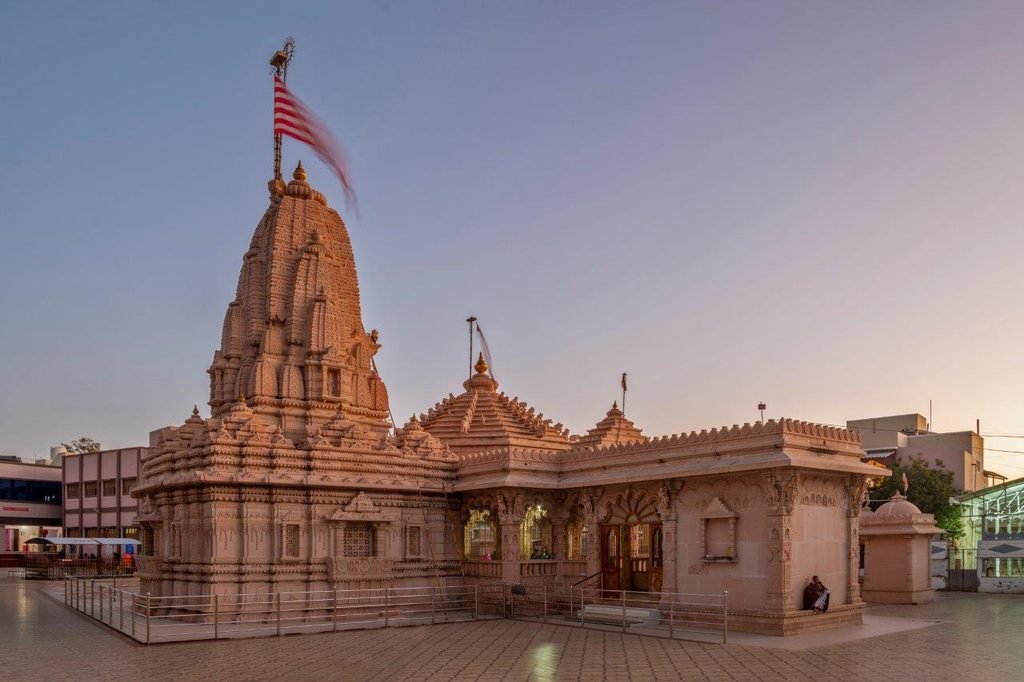
The holy Chachra Kund at Mata No Madh stands as one of the most sacred hydrological and spiritual landmarks in the entire Kutch district. Located just a short distance from the primary sanctum of Maa Ashapura at Mata No Madh (widely searched across pilgrimage portals as matanamadh, mata na madh, and matanomadh), this ancient stepwell reservoir has provided sacred washings, ritual purification, and spiritual rejuvenation for centuries. Devotees traveling across Western India view a visit to this stepped water structure as an indispensable ritual component before stepping into the central inner temple sanctum.
As thousands of pilgrims, cultural travelers, and genealogy researchers prepare their itineraries for 2026, understanding the practical rules, historical context, water depth parameters, and sacred etiquette of this holy site becomes paramount. At [matanamadh.in], our objective is to deliver precise, authoritative, and actionable field intelligence to support every pilgrim’s journey.
Whether you are performing traditional ancestral rites, taking a sacred bath (Snan), or exploring the architectural heritage of Kutch, this master guide covers every operational and spiritual aspect of the site.

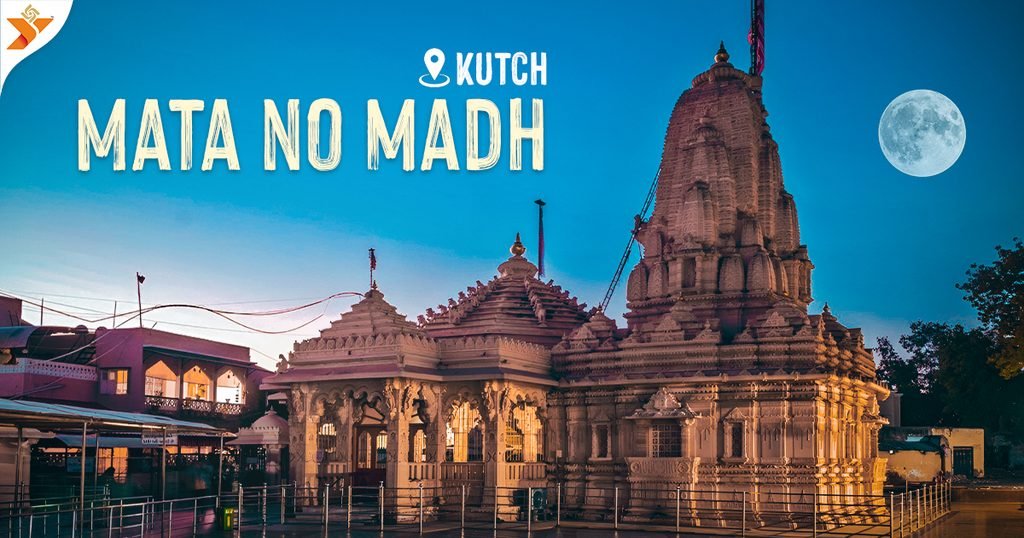
Table of Contents
Quick Navigation Index
- Theological Origins & Historical Legacy of Chachra Kund
- Structural Architecture & Stepwell Engineering
- Spiritual Significance of the Holy Dip (Chachra Kund Snan)
- Step-by-Step Ritual Sequence for Visiting Pilgrims
- Operational Rules, Timings & Safety Guidelines (2026 Protocol)
Section 1: Theological Origins & Historical Legacy of Chachra Kund
The sacred history of Chachra Kund is deeply intertwined with the divine manifestation of Maa Ashapura and the historical water management systems of arid Kutch.
Mythological Association with Maa Ashapura
According to long-standing regional lore preserved by temple priests and local historians, Chachra Kund is not merely a water storage tank, but a divine body of water invoked directly through Goddess Ashapura’s grace. When ancient pilgrims traversed the harsh desert terrain to pay homage to the divine mother, the lack of potable water posed severe hardships. Legends hold that the Goddess sanctified this subterranean spring, granting its water divine purifying properties capable of cleansing spiritual karmas and physical ailments.
Role in Regional Pilgrimage History
Historically, before modern plumbing infrastructure was established in Western Kutch, Chachra Kund served as the primary ritual purification point for incoming pilgrims (Padayatris). Traversing hundreds of kilometers on foot across dust and salt flats, walking devotees would first descends the stone steps of the Kund to bathe, cleanse their garments, and center their minds before presenting themselves in front of the deity at Mata No Madh.
Section 2: Structural Architecture & Stepwell Engineering
The construction of Chachra Kund reflects classic Kutchi stone architecture, engineered to preserve precious rainfall and maintain cooler water temperatures during extreme summer months.
Architectural Highlights
- Traditional Stone Step Pattern: Built using hand-carved yellow and gray sandstone blocks, featuring multi-tiered descending step landings (Ghats).
- Subterranean Aquifer Feeds: Fed by underground natural rock fractures that maintain water levels even during dry spells in Kutch.
- Protection Walls: Reinforced stone masonry perimeters designed to prevent surface runoff from polluting the inner reservoir.
- Retaining Arches: Structural support arches embedded within the lower stepped corridors to prevent structural damage during seismic activity.
Section 3: Spiritual Significance of the Holy Dip (Chachra Kund Snan)
Taking a holy dip at Chachra Kund is believed to grant distinct spiritual merit (Punya) and physical cleansing to sincere devotees.
Purification of Body and Mind (Kaya Shuddhi)
In Shakta tradition, water from a sanctified Kund acts as a medium for clearing negative energies (Doshas). Taking three dips while chanting the divine name of Maa Ashapura is traditionally considered equivalent to visiting major holy river confluence sites.
Mandatory Pre-Darshan Cleansing
Many traditional pilgrim groups enforce a strict custom: no devotee enters the main temple sanctum without first washing their hands and feet, or taking a full bath at Chachra Kund. This practice maintains the energetic purity of the temple environment.
Section 4: Step-by-Step Ritual Sequence for Visiting Pilgrims
To ensure your visit is conducted with proper reverence and efficiency, follow this recommended sequence:
- Step 1: Footwear Storage: Leave all shoes and leather items at designated footwear holding areas near the upper perimeter entrance.
- Step 2: Descent along Designated Steps: Walk down the left-hand descending stone steps carefully, using handrails where available.
- Step 3: Purification & Prayer: Perform initial ablutions by sprinkling sacred water over your head (Prokshana) or proceed to designated bathing enclosures for a full holy dip.
- Step 4: Offering Prayers: Offer quiet prayers to Lord Shiva and Maa Ashapura at small perimeter niches built into the stepwell structure.
- Step 5: Change of Attire: Utilize trust-provided changing rooms to change into dry, modest traditional clothing before heading toward the main Ashapura temple.
For direct transport schedules, public bus connections, and travel updates to Mata No Madh, pilgrims can consult the official GSRTC Portal for real-time bus availability.
Section 5: Operational Rules, Timings & Safety Guidelines (2026 Protocol)
To maintain safety, sanitation, and spiritual decorum, the temple management maintains strict operational guidelines for all visitors.
Official Operational Timings
- Morning Opening: 05:30 AM
- Evening Closure: 07:30 PM
- Maintenance & Cleaning Breaks: Scheduled daily between 01:00 PM and 02:00 PM (access restricted during cleaning).
Mandatory Rules & Prohibitions
- Soaps & Detergents: Strictly prohibited. No synthetic shampoos, soaps, or washing of soiled clothes inside the main reservoir water is permitted.
- Depth Awareness: Visitors must remain within the marked shallow safety railings. Venturing into deeper central zones of the Kund is forbidden due to submerged stone steps.
- Child Supervision: Children must be accompanied by adults at all times while on the stone steps.
Section 6: Comprehensive Physical Dimensions, Water Depth & Infrastructure Matrix
Understanding the physical layout and structural parameters of Chachra Kund allows visiting pilgrims to navigate the complex safely and comfortably. Below is the technical specification breakdown for the stepped reservoir and its immediate amenities.
| Structural Feature | Dimension / Specification | Operational Details & Safety Notes |
| Overall Length & Width | Approx. 45 meters x 30 meters | Rectangular stepped stone footprint |
| Maximum Structural Depth | Approx. 12 meters (40 feet) | Total depth from upper street level to base |
| Water Level Depth (Seasonal) | 1.5 meters to 4.5 meters | Monsoonal fluctuations alter total water depth |
| Designated Safe Bathing Depth | Max 1.2 meters (4 feet) | Enclosed within reinforced brass/steel safety barricades |
| Stepped Tier Construction | 5 Major Descending Terraces | Hand-chiselled Kutchi yellow sandstone blocks |
| Separate Changing Facilities | 12 Enclosed Cubicles | Divided into distinct Men’s and Women’s sections |
| Flooring & Steps Anti-Slip Prep | Coir Matting on Primary Corridors | Deployed continuously during high-footfall festivals |
Section 7: Comparative Analysis of Sacred Water Bodies (Kunds & Sarovars) in Western Kutch
Western Kutch houses several sacred water bodies, each serving distinct ritual purposes along the regional pilgrimage highway.
| Water Body Name | Distance from Mata No Madh | Sacred / Mythological Context | Primary Ritual Activity |
| Chachra Kund | 300 meters (Within village boundary) | Sanctified through divine grace of Maa Ashapura | Pre-darshan holy dip, ritual cleansing, Prokshana |
| Narayan Sarovar | 85 kilometers (West highway) | One of the 5 sacred Panch-Sarovar lakes of India | Ancestral rites (Pind Daan), holy immersion, full pilgrimages |
| Hamirsar Lake | 95 kilometers (Bhuj city center) | Historic royal reservoir of the Maharaos of Kutch | Sacred lake offerings, civic-spiritual celebrations |
| Chhatchhi Stepwell | 18 kilometers (Regional bypass) | Historical trade-route stepwell and water stop | Architectural heritage viewing, quick resting stop |
Section 8: Special Protocol During Ashvin Navratri & Peak Festival Seasons
During the annual Ashvin Navratri festival, over 300,000 walking pilgrims (Padayatris) converge on Mata No Madh, placing immense demand on the infrastructure of Chachra Kund.
Navratri Management Procedures
| Operational Parameter | Regular Operating Mode | Navratri Festival Operating Mode |
| Daily Access Hours | 05:30 AM to 07:30 PM | 24-Hour Continuous Access with staggered queues |
| Life Safety & Security Personnel | Standard Security Guard Patrols | Divers, Lifeguards, and State Disaster Response Teams on standby |
| Water Sanitation Cycle | Twice Weekly Filtration & Cleaning | Continuous Automated Filtration & Daily Chlorination |
| Queue Control Systems | Single Lane Descent | Multi-tier Barricaded Lanes separating Men, Women & Seniors |
| Emergency Medical Support | On-call Medical Desk | 24/7 Paramedic Station stationed at upper entrance terrace |
Section 9: Environmental Conservation & Water Sanitation Protocol (2026 Guidelines)
Preserving the purity of the natural underground aquifer at Chachra Kund requires active cooperation between temple authorities, local municipal bodies, and visiting pilgrims.
Cleanliness & Conservation Rules
- Prohibition of Single-Use Plastics: Plastic bags, water bottles, and synthetic wrappers are strictly banned along the descending steps and near the water surface.
- Flora & Offering Disposal: Old flowers, garland threads, and wooden offering baskets must be placed in designated green Nirmalya bins located at the street level, rather than thrown into the water.
- Water Recirculation System: In 2026, the temple trust utilizes an eco-friendly pump filtration network that recirculates and purifies the water while preserving the natural mineral composition of the underground spring.
Section 10: Step-by-Step Practical Blueprint for Visiting Chachra Kund (2026)
To help devotees execute a hassle-free visit to the holy Chachra Kund at Mata No Madh—whether traveling independently, with senior citizens, or in family groups—this section breaks down exact logistics, preparation checklists, and post-dip procedures.
Pilgrim Preparation & Visit Logistics Matrix
| Phase of Visit | Action Required | Key Guidelines & Equipment | Location / Facility |
| Pre-Arrival Prep | Secure modest spare clothing & towels | Carry quick-dry traditional garments; pack waterproof bags for wet apparel | Home / Vehicle Base |
| Arrival & Footwear | Deposit shoes & leather goods | Use trust-managed free shoe counters; avoid leaving footwear on open steps | Upper Entrance Gate |
| Queue & Access | Select designated entry lane | Men, women, and elderly queue separately during peak morning hours | Descending Stone Stairway |
| Holy Dip / Ritual | Perform Prokshana or full bath | Stay within yellow safety railings; strictly avoid using soap or shampoo | Subterranean Bathing Tiers |
| Post-Dip Transition | Change into dry traditional attire | Utilize gender-segregated enclosed changing cubicles | Trust Changing Enclosures |
| Temple Proceeding | Walk directly to Ashapura Sanctum | Keep wet garments in sealed bags; proceed barefoot along covered coir paths | Main Temple Courtyard |
Section 11: Pilgrim Facilities & Amenities Surrounding Chachra Kund
The Shree Ashapura Mata No Madh Trust maintains several utility stations adjacent to the stepwell to support visiting pilgrims throughout the year.
| Facility Type | Location & Proximity | Services Available | Access Terms |
| Changing Rooms | 15 meters from upper Kund landing | Separate private changing cubicles for men and women | Free of charge |
| Locker Counters | Main entry plaza | Storage for mobile phones, valuables, and dry clothes | Free (Trust-operated) |
| Drinking Water Booths | Upper terrace perimeter | RO-filtered cold drinking water taps | Free public access |
| Resting Shelters | Opposite upper entrance gate | Shaded seating benches with coir matting | Open access |
| First Aid Station | 100 meters (Main Temple Gate) | Primary paramedic care, bandage dressing, emergency response | 24/7 during festivals |
Section 12: Frequently Asked Questions & Essential Visitor Guidelines
Frequently Asked Questions
- Q: Is taking a full bath mandatory at Chachra Kund before entering Mata No Madh temple?
- A: While a full bath (Snan) is considered spiritually auspicious, it is not legally mandatory. Devotees who cannot take a full bath can perform Prokshana (sprinkling a few drops of holy water on their head, hands, and feet) before entering the main shrine.
- Q: Are there dedicated facilities for female pilgrims at Chachra Kund?
- A: Yes. The trust provides dedicated, enclosed bathing areas and separate changing cubicles exclusively reserved for female devotees to ensure privacy and security.
- Q: How deep is the water in Chachra Kund?
- A: The total structural depth of the stepwell is approximately 12 meters, but the water depth typically ranges from 1.5 to 4.5 meters depending on the season. The active bathing areas are strictly bounded by safety rails at a safe depth of 1.2 meters (4 feet).
Summary Checklist of Mandatory Rules
- Strict Prohibition of Chemicals: Never use soaps, synthetic shampoos, or detergents anywhere inside the stepwell water.
- Modesty Mandate: Always wear appropriate modest clothing while bathing or walking around the Kund area.
- Safety First: Children, pregnant women, and elderly visitors must use handrails and remain within marked shallow zones.