
The Khetrapal Dada Temple Mata No Madh stands as one of the most revered spiritual sanctuaries in the Kutch region of Gujarat. Situated within the sacred precincts of Mata No Madh (also frequently searched as matanomadh or mata na madh), this shrine honors Khetrapal Dada—the protective guardian deity (Kshetrapal) who safeguards the realm of Maa Ashapura and her millions of visiting devotees. For pilgrims traveling across Gujarat and beyond, visiting Khetrapal Dada is an essential ritual before completing their prayers at the main Ashapura Mata complex.
At matanamadh.in, we provide authentic, highly updated, and practical travel and pilgrimage information to ensure your journey to Kutch is spiritually fulfilling and seamless.
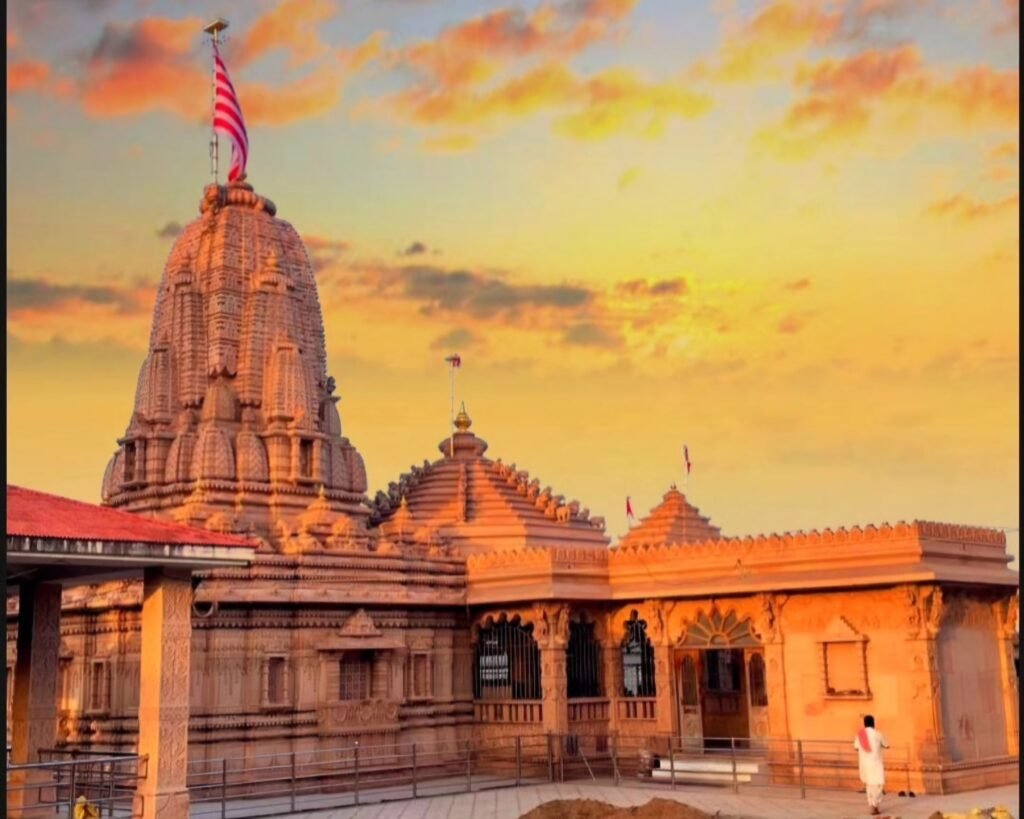
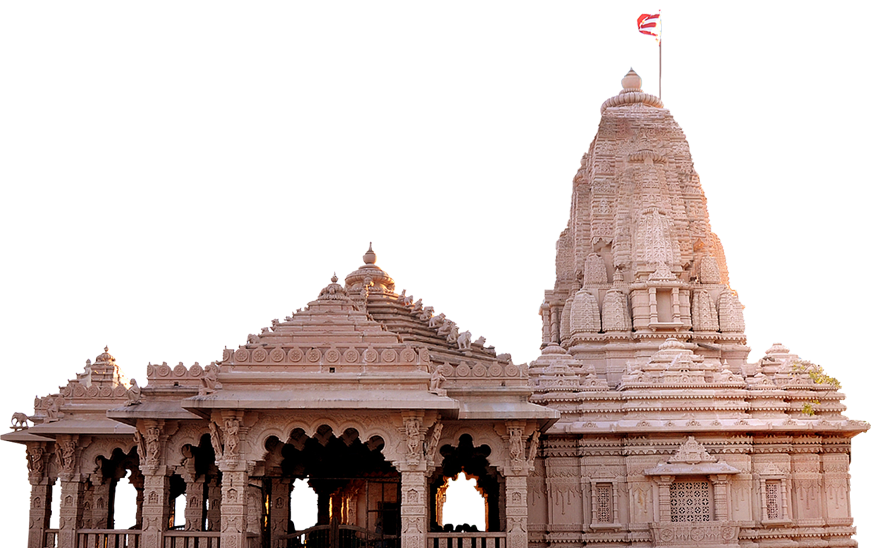

Table of Contents
Table of Contents (Outline Overview)
- Section 1: Introduction & Spiritual Significance of Khetrapal Dada
- Section 2: Historical Origins and Legends of Khetrapal Dada
- Section 3: Daily Rituals, Aarti Timings, and Temple Protocols (2026)
- Section 4: Architectural Overview and Shrine Layout
- Section 5: Detailed How-to-Reach Guide & Transit Schedules
Section 1: Introduction & Spiritual Significance of Khetrapal Dada
In the ancient Vedic traditions of Western India, a Kshetrapal (guardian of the land or field) is invoked prior to starting any sacred activity. At matanomadh, Khetrapal Dada functions as the divine protector of the entire village, the surrounding hilly terrain, and the core shrine of Maa Ashapura.
Traditional custom holds that devotees visiting mata na madh must pay homage to Khetrapal Dada to seek protection from negative energies and receive blessings for safe travel. Many families in Kutch and the broader Gujarati diaspora consider Khetrapal Dada as their Kul-devta or key protective guardian.
Key Spiritual Roles of Khetrapal Dada
- Protector of the Kshetra (Territory): Warding off malevolent influences from the sacred valley of Mata No Madh.
- Granter of Safety: Blessing travelers, long-distance pilgrims, and local farmers with protection and prosperity.
- Integral Pilgrimage Step: Offering coconut, sindoor, and traditional Prasad here forms the initial phase of the complete Matanamadh Yatra.
Section 2: Historical Origins and Legends of Khetrapal Dada
The history of Khetrapal Dada in matanamadh is deeply tied to the historical origins of the Jadeja dynasty of Kutch and the establishment of the Maa Ashapura temple in the 14th century.
According to local folklore, when the original shrine of Ashapura Mata was established by Karad Vanias and subsequently patronized by the rulers of Kutch, the local geography was rugged and full of wild hazards. Lord Khetrapal was enshrined at the entrance boundary of the valley to protect the sanctuary from natural calamities, invaders, and wild beasts.
Over centuries, as matanomadh grew from a secluded hamlet into a major pilgrimage center in Kutch, the worship of Khetrapal Dada evolved into an established ritual framework preserved by the local trust and priest families.
Section 3: Daily Rituals, Aarti Timings, and Temple Protocols (2026)
To help you plan your visit effectively in 2026, matanamadh.in presents the operational schedule for the Khetrapal Dada Temple.
| Event / Ritual | Morning Schedule | Evening Schedule | Key Offerings / Notes |
| Temple Gates Open | 05:00 AM | — | Early morning entrance for pilgrims |
| Mangla Aarti | 06:00 AM – 06:30 AM | — | Performed with traditional lamps and drums |
| Rajbhog / Naivedya | 12:00 PM – 12:30 PM | — | Midday food offering to the deity |
| Sandhya Aarti | — | 07:15 PM – 07:45 PM | Evening sunset prayer service |
| Temple Gates Close | — | 09:30 PM | Sanctuary closes for night rest |
Sacred Offerings (Prasad) Rules
- Approved Offerings: Fresh Coconuts, Red Sindoor (vermilion), Mustard Oil lamps, and Dry Fruits.
- Prohibited Items: Plastic single-use bags, leather items inside the inner sanctum, and cooked external non-satvik foods.
Section 4: Architectural Overview and Shrine Layout
The Khetrapal Dada Temple exhibits classic Kutchi temple architecture, constructed primarily from locally quarried sandstone that endures the arid climate of Kutch.
Architectural Highlights
- Garbhagriha (Sanctum Sanctorum): Houses the idol of Khetrapal Dada adorned with traditional orange sindoor and silver ornamentation.
- Mandapa (Assembly Hall): Open, ventilated pillar structure allowing large crowds during Navratri festivals to gather for Aarti.
- Pradakshina Path: A dedicated circumambulation walkway around the central shrine for devotees to perform traditional rounds.
Section 5: Detailed How-to-Reach Guide & Transit Schedules
Reaching Mata No Madh is straightforward via Bhuj, the central district headquarters of Kutch, located approximately 95 km away.
By State Transport (GSRTC Bus Service)
Gujarat State Road Transport Corporation provides frequent daily connectivity between Bhuj Central Bus Station and Mata No Madh. You can check schedules and book seats directly on the official portal at https://gsrtc.in/.
- Bhuj to Mata No Madh: Buses run every 30 to 45 minutes from 05:30 AM to 08:30 PM.
- Travel Duration: Approximately 2 to 2.5 hours via the Bhuj-Lakhpat Highway.
Distance Table from Key Hubs
| Departure Location | Distance to Mata No Madh | Recommended Route / Mode |
| Bhuj Railway Station | 95 km | GSRTC Bus or Private Taxi (2 hours) |
| Gandhidham | 155 km | State Highway via Bhuj |
| Ahmedabad | 430 km | Overnight Sleeper Bus / Train to Bhuj |
| Rajkot | 330 km | NH27 to Bhuj, then West Kutch Highway |
Section 6: Step-by-Step Ritual Rituals & Vow Fulfillment (Mannat)
Devotees traveling to mata na madh often perform specific traditional offerings at the Khetrapal Dada shrine to fulfill vows (Mannat) or seek protection for newborn children, family enterprises, and journey safety.
Step-by-Step Worship Workflow
- Purification: Before entering the inner precinct, devotees wash hands and feet at the dedicated washing stations near the main entrance.
- Purchasing Puja Items: Standard worship trays (Thalis) are available at nearby local stalls containing coconut, red thread (Moli), camphor, red vermilion (Sindoor), and oil.
- Offering Oil & Sindoor: It is customary to apply or offer Sindoor and mustard/sesame oil to the consecrated stone image of Khetrapal Dada.
- Coconut Breaking (Nariyal Chhedan): Coconuts are offered outside the primary sanctum in designated breaking zones for safety and hygiene.
- Pradakshina: Perform 3, 5, or 7 clockwise circuits around the shrine while chanting the name of Khetrapal Dada.
Section 7: Navratri Celebrations & Special Festival Guidelines (2026)
During the Aso (Ashvin) Navratri—usually occurring in September or October—matanamadh sees hundreds of thousands of foot-travelers (Padyatris) walking from across Gujarat. Khetrapal Dada receives immense footfall as the first point of entry and blessing for these pilgrims.
| Event / Occasion | Navratri Timing (2026) | Special Rituals Performed |
| Ghatasthapana (Day 1) | Beginning of Ashvin Navratri | Special Puja & Flag Hoisting at Shrine |
| Maha Saptami (Day 7) | Mid-Festival Peak | Night-long Bhajan sessions & Aarti |
| Maha Ashtami (Day 8) | Peak Pilgrimage Day | Patri Ceremony & Royal Offerings |
| Chaitra Navratri | March / April | Spring Fasting & Devotional Gatherings |
Guidelines for Navratri Visitors
- Expect High Crowd Density: Be prepared for long queue times (ranging from 1 to 4 hours) during peak Navratri days.
- Foot-Traveler Services: Free medical camps, hydration points, and community kitchens (Annakshetra) operate 24/7 along the Bhuj-Mata No Madh highway.
Section 8: Accommodation & Pilgrim Facilities in Mata No Madh
Staying at matanomadh has become increasingly comfortable over the years. The local trust (Trust Dharamshalas) and private guest houses offer clean, affordable lodgings.
Accommodation Comparison Table
| Property / Stay Type | Location | Room Types Available | Key Amenities |
| Trust Dharamshala 1 | Near Main Temple Complex | AC & Non-AC Rooms, Dormitories | Basic clean bedding, attached baths, low cost |
| Trust Dharamshala 2 | Entrance Bus Stand Road | Family Suites, Large Halls | Parking space, hot water supply |
| Private Guest Houses | Within 500m of Shrine | Deluxe AC & Semi-Deluxe | 24-hr room service, television, Wi-Fi |
Food & Dining Options (Bhojanalaya)
- Trust Annakshetra: Serves traditional Gujarati thali (Roti, Dal, Rice, Subzi, Chaas) at token rates or free for pilgrims.
- Local Eateries: Local tea stalls and food outlets offer Kutchi snacks such as Dabeli, Khaman, Fafda, and fresh buttermilk.
Section 9: Complete Itinerary & Circuit Planning Around Mata Na Madh
A visit to Khetrapal Dada and Maa Ashapura at mata no madh can be integrated into a broader Western Kutch pilgrimage circuit.
Suggested 1-Day Itinerary
- 07:00 AM – 08:30 AM: Arrival at Mata No Madh; check-in and freshening up at Dharamshala.
- 08:30 AM – 09:30 AM: Darshan and Puja at Khetrapal Dada Temple.
- 09:30 AM – 11:30 AM: Main Darshan at Maa Ashapura Temple.
- 11:30 AM – 12:30 PM: Visit to nearby historical spots (Jagora Hill & Dhinodhar view points).
- 12:30 PM – 02:00 PM: Traditional lunch at the Trust Bhojanalaya.
- 02:30 PM Onwards: Proceed to Lakhpat Fort (approx. 45 km) or Narayan Sarovar & Koteshwar Mahadev Temple (approx. 55 km).
Section 10: Frequently Asked Questions (FAQ) & Visitor Guidelines
Q1: What are the primary rules for dress code at Khetrapal Dada Temple?
Answer: Traditional and modest attire is strongly encouraged. Dhoti, Kurta, Sarees, or Salwar Suits are preferred. Shorts, sleeveless tops, and revealing garments should be avoided.
Q2: Are online vehicle permits required to enter Mata No Madh?
Answer: No special permits are required to enter Mata No Madh village or the temple complex. However, if traveling towards border zones near Lakhpat, standard photo IDs (Aadhaar, Voter ID, Passport) must be carried.
Q3: Can senior citizens request wheelchair assistance?
Answer: Yes, basic ramps and wheelchair services are managed by temple volunteers, especially during major festival periods.
Section 11: Deep-Dive Folklore & Cultural Heritage of Khetrapal Worship
The devotion to Khetrapal Dada in mata na madh is rooted in rural Kutchi tradition. As the Kshetrapal (guardian spirit of the land), his presence is intertwined with local folk songs (Garbas and Bhajans) sung during Navratri nights.
Cultural Practices & Customary Vows
- Pachhedi & Red Cloth Offerings: Local communities often present sacred red ceremonial cloth (Pachhedi) decorated with traditional mirror work to honor vows fulfilled by the grace of Khetrapal Dada.
- Child Blessing Ceremonies (Babari / First Haircut): Many families travel to matanamadh to perform the preliminary haircut ritual of young children under the protective shade of the Khetrapal Dada shrine before proceeding to the main temple.
Section 12: Extended Pilgrimage Circuit: Narayan Sarovar, Koteshwar & Lakhpat
Pilgrims visiting Khetrapal Dada at Mata No Madh frequently extend their route to cover the sacred western border triangle of Kutch.
| Destination | Distance from Mata No Madh | Religious & Historical Significance | Recommended Visit Time |
| Narayan Sarovar | ~55 km West | One of the 5 sacred lakes (Panch-Sarovar) in Hindu mythology | 1 to 2 hours |
| Koteshwar Mahadev | ~60 km West | Ancient coastal Shiva temple overlooking the Arabian Sea | 1.5 hours (Ideal for sunset) |
| Lakhpat Fort | ~45 km North-West | Historic fortified town, Gurudwara Sahib, and Sufi Dargah | 2 hours |
| Dhinodhar Hills | ~65 km East | Monastic retreat associated with Saint Dhoramnath | 2 to 3 hours (Trekking) |
Section 13: Seasonal Travel Tips & Climate Preparation for Kutch
The weather in Western Kutch varies drastically depending on the season. Preparing according to the time of year ensures a safe trip to matanomadh.
Seasonal Breakdown
- Winter (October to March): Ideal season for pilgrimage. Temperatures range from 12°C to 28°C. Mild days make long temple queues manageable.
- Summer (April to June): Severe heat with temperatures rising above 42°C. Carry hydration salts, umbrellas, and visit the shrine during early morning or late evening hours.
- Monsoon (July to September): Arid terrain turns green. Roads are accessible, but check weather advisories for high-wind conditions near coastal tracks.
Section 14: Practical Visitor Safety, Accessibility & Rules
To maintain order and preserve sanctity within the temple complex, visitors are expected to observe basic safety and administrative guidelines.
Important Visitor Rules
- Photography & Videography: Strict prohibition of photography inside the inner sanctum (Garbhagriha). Mobile devices must be kept in silent mode or stored in designated lockers.
- Footwear Management: Designated free shoe counters (Juta Ghar) are located near the main entrance plaza.
- Sanitation & Hygiene: Use designated waste bins to keep the holy village clean and eco-friendly.
Section 15: Directory of Essential Contact Details & Emergency Information
| Helpline / Service | Contact / Location Details | Operational Purpose |
| GSRTC Bus Inquiry (Bhuj Bus Stand) | 02832-220025 | Bus schedules, online booking queries |
| Local Police Station (Mata No Madh) | Dial 112 / Local Desk | General assistance & emergency support |
| Primary Health Center (PHC) | Main Village Entrance Road | First aid, heatstroke treatment, basic emergency care |
| Emergency Ambulance Service | Dial 108 | Statewide emergency medical transit |