
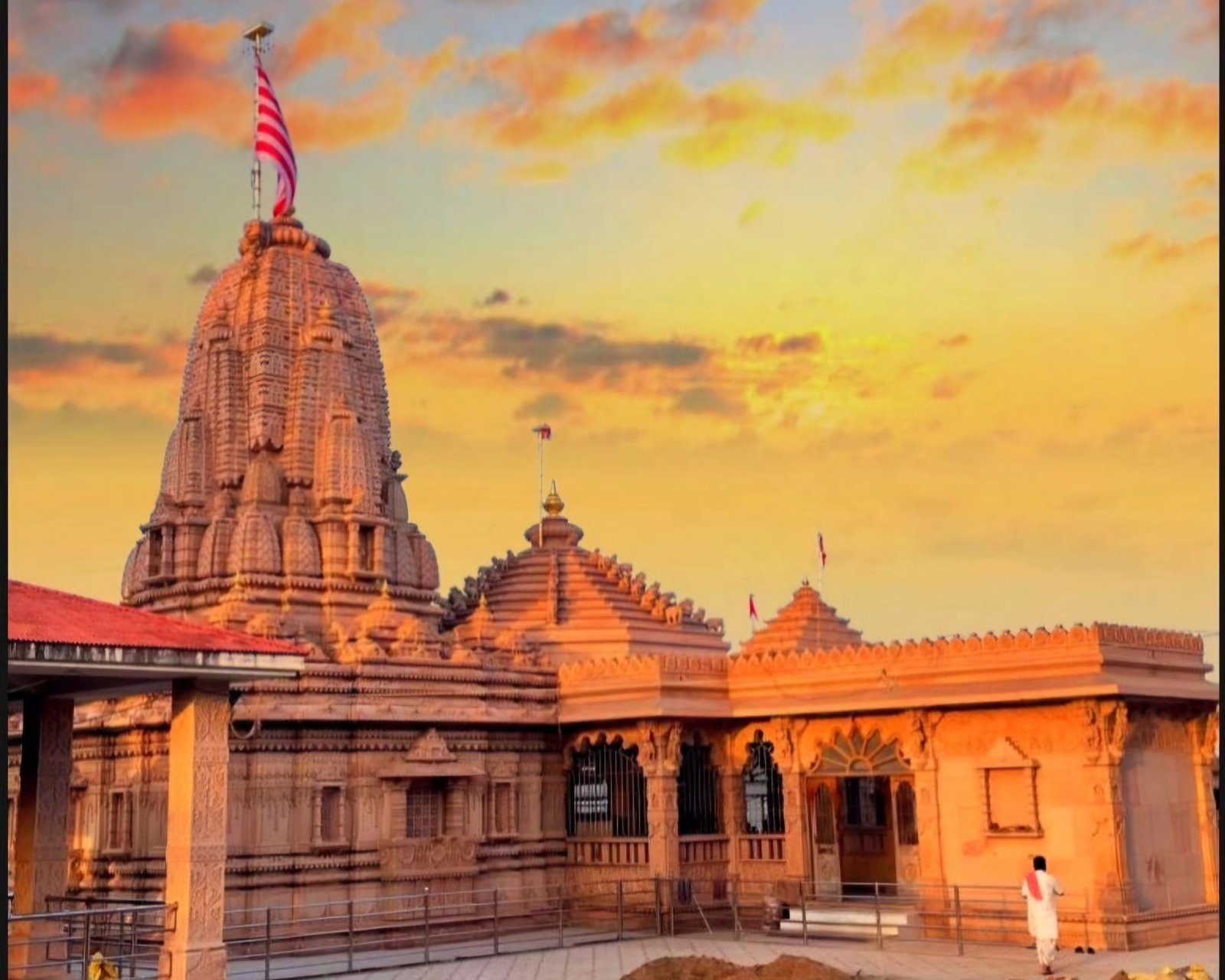
The sacred shrine of Shri Ashapura Mataji at Mata No Madh turns into an extraordinary center of devotion during the festive transition from Dhanteras to Bestu Varas (the Gujarati New Year). Planning a pilgrimage during this peak festive cycle requires precise details regarding the Mata No Madh Diwali Annakut Timings 2026, ritual schedules, temple access rules, and local logistics. As the dedicated digital portal for authentic temple updates, matanamadh.in brings you this exhaustive, step-by-step master guide to help you experience maximum divine grace without operational delays.

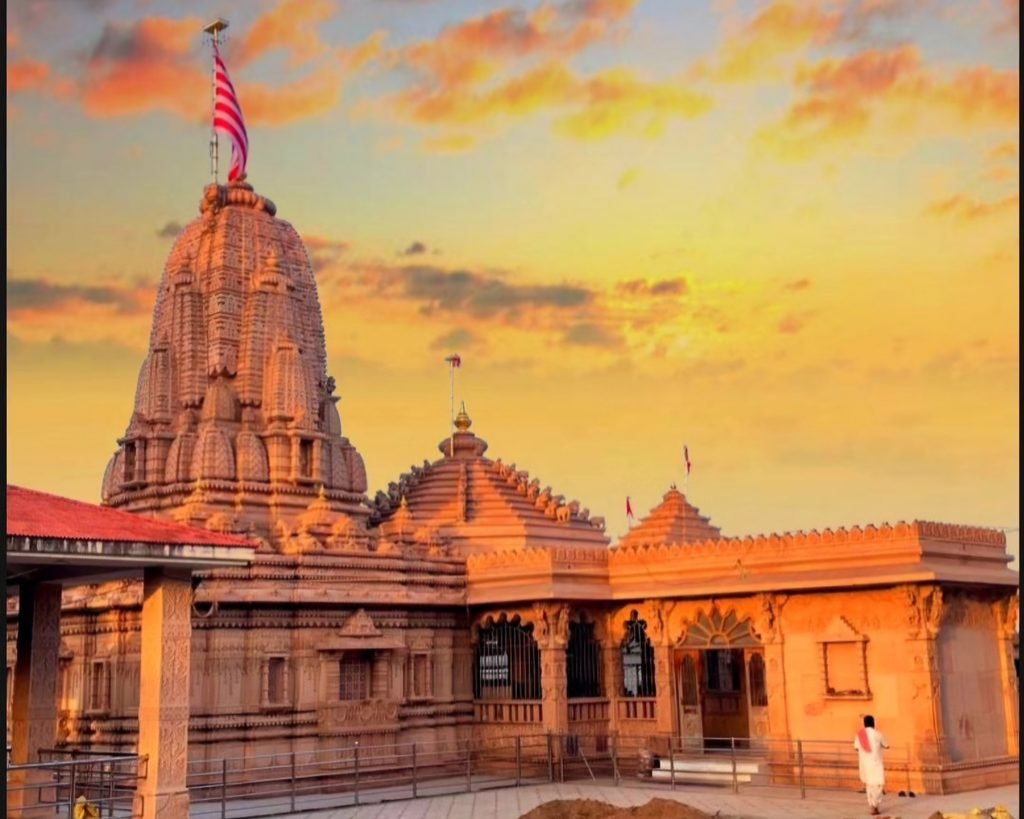
Table of Contents
Complete Table of Contents
- Significance of Diwali & Bestu Varas at Mata No Madh
- Mata No Madh Diwali & New Year Schedule 2026
- The Grand Annakut Mahotsav: Ritual Details & Darshan Timings
- Day-by-Day Festival Guide: Dhanteras to Labh Pancham
- Crowd Management, Queue Systems, and VIP Access Guidelines
- [Part 2 Preview] Travel Logistics: Reaching Mata No Madh via GSRTC & Private Routes
- [Part 2 Preview] Accommodation, Dharamshala Bookings & Dining Services
- [Part 2 Preview] Essential Navratri vs. Diwali Pilgrimage Comparison
- [Part 2 Preview] Safety, Health Guidelines & Senior Citizen Care
- [Part 2 Preview] Frequently Asked Questions (FAQs) & Legal Disclaimers
1. Significance of Diwali & Bestu Varas at Mata No Madh
Maa Ashapura, the presiding deity of the Kuldevi of Kutch, represents fulfillment of desires, protection, and boundless grace. While the autumn Navratri (Aso Navratri) draws millions of barefoot walking pilgrims (Padyatris), the festive window of Diwali and the Gujarati New Year (Bestu Varas) holds an equally sacred, joyful significance.
During Diwali, the entire temple complex of matanomadh is illuminated with thousands of traditional oil lamps (deeyas) and intricate lighting layouts. The festival symbolizes the triumph of divine energy over darkness, making it the most auspicious time for business owners, families, and devotees across the globe to seek blessings for prosperity in the upcoming Hindu Vikram Samvat year.
The Spiritual Essence of Annakut
Annakut, literally meaning “Mountain of Food,” is an offering of hundreds of distinct vegetarian delicacies prepared by dedicated priests and temple volunteers. Offered to Maa Ashapura on Bestu Varas (Gujarati New Year), the Annakut signifies:
- Gratitude for Prosperity: Offering the first portion of the new harvest and food wealth back to the Divine Mother.
- Community Unity: Uniting devotees across all socio-economic backgrounds through the distribution of Maha Prasad.
- Renewal of Faith: Entering the New Year with pure intentions, leaving behind past grievances, and invoking divine protection.
Devotees who visit mata na madh during this sacred window believe that taking darshan of the Annakut brings year-round abundance, financial stability, and family harmony.
2. Mata No Madh Diwali & New Year Schedule 2026
To ensure your pilgrimage is smooth, refer to the verified schedule below for the Mata No Madh Diwali Annakut Timings 2026 and associated festive rituals.
| Date (2026) | Festive Occasion | Morning Opening | Evening Closure | Special Ritual / Event |
| Nov 8, 2026 | Dhanteras | 05:00 AM | 10:00 PM | Chopda Pujan & Special Evening Aarti |
| Nov 9, 2026 | Kali Chaudas (Roop Chaudas) | 05:00 AM | 10:30 PM | Midnight Guard Rituals & Divine Protection Aarti |
| Nov 10, 2026 | Diwali (Deepawali) | 04:30 AM | 11:30 PM | Grand Lakshmi-Ashapura Pujan & Temple Illumination |
| Nov 11, 2026 | Bestu Varas (New Year) | 04:00 AM | 11:00 PM | Grand Annakut Darshan (12:00 PM – 03:00 PM) |
| Nov 12, 2026 | Bhai Dooj (Bhai Beej) | 05:00 AM | 10:00 PM | Special Family Blessings & Brother-Sister Pujan |
| Nov 15, 2026 | Labh Pancham | 05:00 AM | 09:30 PM | Business Ledger Commencement & Special Archana |
Note: Timings are subject to minor adjustments by the Temple Trust based on live crowd movement. Stay updated right here on matanamadh.in for real-time announcements.
3. The Grand Annakut Mahotsav: Ritual Details & Darshan Timings
The Annakut at matanamadh is a sight of unparalleled spiritual splendour. Over 108 to 561 traditional items—ranging from authentic Kutchi sweets (Sutarfeni, Mesub, Gharau Gulab Jamun) to savory preparations, dry fruits, fresh local grains, and seasonal fruits—are systematically arranged before the sanctum sanctorum (Garbhagriha).
Annakut Day Operational Breakdown (Nov 11, 2026)
- Mangla Aarti (04:00 AM): The New Year begins with an invigorating morning Aarti. Devotees start queuing up as early as 03:00 AM.
- Sanctum Closure for Preparation (10:00 AM – 11:45 AM): The main deity section is closed temporarily to allow the head priests (Pujaris) to arrange the massive Annakut offerings inside the inner sanctum.
- Unveiling of the Annakut & Maha Aarti (12:00 PM Sharp): The curtains open to reveal the divine display. A special 21-lamp Maha Aarti is performed alongside traditional bell ringing and shell blowing (Shankhnaad).
- Public Annakut Darshan Window (12:15 PM – 03:00 PM): Devotees are managed through streamlined movement lanes to view the grand offering.
- Distribution of Annakut Prasad (04:00 PM Onward): A portion of the sacred food is packaged and distributed to devotees in designated exit counters.
4. Day-by-Day Festival Guide: Dhanteras to Labh Pancham
Day 1: Dhanteras (November 8, 2026)
Dhanteras marks the arrival of goddess-like prosperity. Merchants and families carry their financial ledgers, gold, silver, and business equipment to mata no madh for divine sanctification.
- Key Highlight: Chopda Pujan (Ledger Blessing) held in the main courtyard during late afternoon.
- Pro-Tip: Bring your fresh business account books or digital storage drives to place them at the lotus feet of Maa Ashapura during designated pujan hours.
Day 2: Kali Chaudas (November 9, 2026)
Kali Chaudas is dedicated to warding off negative energies, evil eyes, and psychological obstacles.
- Key Highlight: Special Tantra-Bhadra Shanti and protection prayers conducted by traditional temple priests.
- Atmosphere: The temple experiences a surge of local Kutchi families seeking protective threads (Nadarachodi) and energized Kajal from the main lamp.
Day 3: Diwali (November 10, 2026)
The climax of the lunar calendar year. The entire village of Mata No Madh lights up with breathtaking fireworks, traditional lamps, and intricate rangolis depicting the symbols of Maa Ashapura.
- Key Highlight: The Grand Night Aarti (Maha Ratri Aarti) performed at 08:30 PM.
- Visits: Ensure you enter the main complex by 06:00 PM to secure a viewing spot for the illumination ceremony.
Day 4: Bestu Varas / New Year (November 11, 2026)
The most important date for taking Mata No Madh Diwali Annakut Timings 2026 into practical account. It is customary across Gujarat to start the New Year by looking upon the divine face of Maa Ashapura.
- Key Highlight: Viewing the Annakut mountain of food and greeting fellow pilgrims with “Nutan Varshabhinandan”.
Day 5 & Beyond: Bhai Beej to Labh Pancham (Nov 12 – Nov 15, 2026)
The festive energy continues through the first five days of the New Year.
- Bhai Beej (Nov 12): Siblings visit together to pray for each other’s longevity and health.
- Labh Pancham (Nov 15): Considered the most auspicious day of the year to re-open commercial shops, start new businesses, or sign critical property documents post-Diwali.
5. Crowd Management, Queue Systems, and VIP Access Guidelines
During the festive week, daily footfalls at matanamadh routinely cross 100,000 visitors. To prevent stampedes and ensure comfortable darshan for everyone, the Temple Trust implements a strict step-by-step movement route:
- Step 1: Main Entry Gate – Primary security screening and bag inspection point.
- Step 2: Footwear Stand – Dedicated token-based storage counter to safely leave shoes and leather items.
- Step 3: Barricaded Queue Complex – Covered, multi-lane waiting area equipped with shade, drinking water, and fans.
- Step 4: Sanctum Darshan – Systematic passage through the main hall (Sabha Mandap) for deity viewing.
- Step 5: Exit & Prasad Counter – Designated exit flow leading directly to the Maha Prasad collection center.
Access Lane & Pass Protocol Summary
| Pilgrim Category | Designated Entry Gate | Assistance & Facilities | Verification Required |
| General Pilgrims | Gate 1 (Main Queue) | Covered waiting lanes, hydration stations | None |
| Senior Citizens & Divyang | Gate 2 (Priority Access) | Wheelchair ramps, sitting benches | Government ID / Age proof |
| Official Protocol / VIPs | Main Admin Gate | Express access managed by Trust/Police | Official authorization letter |
6. Travel Logistics: Reaching Mata No Madh via GSRTC & Private Routes
Navigating the transit routes to mata no madh during the high-demand Diwali week demands advance preparation and precise schedule management. Located in the Nakhatrana taluka of Kutch district, the temple village sits approximately 105 km west of Bhuj.
Traveling via Gujarat State Road Transport Corporation (GSRTC)
GSRTC deploys specialized festive bus fleets to manage the surge of pilgrims traveling for the Mata No Madh Diwali Annakut Timings 2026 celebrations.
- Bhuj Central Bus Station Operations: Shuttle and express buses leave every 15 to 20 minutes starting at 04:00 AM continuously until 11:30 PM.
- Point-to-Point Long Distance Expresses: Direct, non-stop sleeper and luxury buses connect major commercial hubs—including Ahmedabad, Rajkot, Vadodara, Surat, and Jamnagar—directly to the matanomadh bus depot throughout the week of Dhanteras to Labh Pancham.
- Online Reservations: To avoid severe counter congestion, pilgrims should secure seats in advance using the official GSRTC Portal.
Driving Routes & Regional Highway Details
If you choose private transport or self-driving, highway connectivity from Bhuj is well-maintained:
- Primary Route: Bhuj → Sukhpar → Mankuva → Deshalpar → Nakhatrana → Gaduli → matanamadh (Total Distance: ~105 km | Average Driving Duration: 2 Hours).
- Parking Logistics: Due to inner village pedestrianization during festival days, all private cars, SUVs, and private tourist coaches are diverted to large designated festive parking lots on the outer perimeter (Gaduli Road Parking Yard and New Bus Stand Ground). Free, continuous electric shuttle mini-buses carry pilgrims between the parking yards and main entrance barricades at Gate 1.
7. Accommodation, Dharamshala Bookings & Dining Services
Securing lodging in mata na madh during the festive surge requires strict adherence to booking timelines, as accommodation capacity in the village operates at maximum occupancy.
Dharamshala & Lodging Overview
| Lodging Facility | Room Categories / Features | Booking Mode | Festive Planning Window |
| Shree Ashapura Trust Chathralaya | AC Rooms, Non-AC Family Rooms, Large Halls | On-Spot Counter (Trust Main Office) | First-come, first-served; early morning queueing advised |
| Kutchi Community Dharamshalas | Standard Rooms with attached baths | Direct Management Desk | 20–30 days advance contact recommended |
| Private Guest Houses & Hotels | Budget to Executive AC Rooms | Telephonic / On-site Pre-booking | Advance booking mandatory for Diwali week |
Temple Trust Dining Services (Prasad Griha)
The Shree Ashapura Mataji Jagir Trust operates a massive, hygienic dining hall (Bhojanalaya) providing free Maha Prasad meals to all visiting devotees daily.
- Morning / Lunch Service: 11:30 AM to 02:30 PM
- Evening / Dinner Service: 07:00 PM to 09:30 PM
- Festive Menu Attributes: Traditional Gujarati and Kutchi preparations including Khichdi, Kadhi, seasonal vegetables, Puri, and sweet preparations served under strict sanitary standards.
8. Essential Navratri vs. Diwali Pilgrimage Comparison
Understanding the structural differences between autumn Navratri (Aso Navratri) and the Diwali/New Year festival at matanamadh helps pilgrims set accurate expectations:
- Navratri Pilgrimage Dynamics: Characterized by hundreds of thousands of barefoot walkers (Padyatris) marching over long distances. The spiritual atmosphere centers around rigorous penance, late-night traditional Garba circles, and solemn rituals like the historic Patri ceremony.
- Diwali & New Year Dynamics: Dominated by multi-generational families, business professionals, and traders. The focus shifts toward luminous decorations, financial ledger sanctification (Chopda Pujan), viewing the grand multi-course Annakut display, and exchanging New Year blessings (Nutan Varshabhinandan).
9. Safety, Health Guidelines & Senior Citizen Care
Maintaining safety and physical well-being in a high-density crowd environment requires awareness of key protocols:
- 24/7 Emergency Medical Stations: The State Health Department and Temple Trust operate dedicated medical kiosks equipped with medical staff, emergency first-aid supplies, and ambulances near Gate 2 and the main central bus stand.
- Child Identification Wristbands: Families entering with children under 10 years should report to the local Police Help Desk near Gate 1 to obtain a free waterproof wristband marked with the parent’s phone number.
- Footwear Management: Always utilize the official token-based footwear stands (Juta Ghar) located near Gate 1 and Gate 2 rather than leaving footwear unattended in open streets.
- Accessibility Support: Senior citizens, pregnant women, and differently-abled devotees (Divyangjan) should enter exclusively via Gate 2, where ramp access, shaded seating benches, and free wheelchair assistance are provided upon presenting age or medical verification.
10. Frequently Asked Questions (FAQs) & Legal Disclaimers
Frequently Asked Questions
- Q: What are the exact timings for the Annakut Darshan on Bestu Varas 2026?A: The Annakut Darshan window is open continuously from 12:00 PM to 03:00 PM on Bestu Varas (November 11, 2026) immediately following the 12:00 PM Maha Aarti.
- Q: Can devotees buy special VIP priority entry passes online for Diwali?A: No. The official temple management does not sell online priority or VIP passes. Beware of fraudulent third-party websites claiming to offer paid fast-track access.
- Q: Is mobile photography allowed in the inner temple hall?A: Photography, videography, and mobile phone usage inside the inner sanctum (Garbhagriha) are strictly prohibited by temple safety rules.
11. Historical Legacy & Spiritual Heritage of Mata No Madh
The sacred shrine of matanamadh holds a timeless position in the spiritual history of Gujarat and Kutch. The history of the temple is deeply linked with the faith of millions of devotees and the royal heritage of the Jadeja lineage, who revere Maa Ashapura as their primary Kuldevi.
The Divine Origin & Shrine Evolution
According to regional historical accounts and sacred tradition, the shrine was established centuries ago following divine manifestations:
- The Vision of Divine Hope: The name Ashapura literally translates to “She Who Fulfills Hopes.” Devotees believe that no prayer offered with genuine devotion goes unanswered at this sacred site.
- Royal Reverence: For centuries, rulers of the former Kutch state initiated every major state event, governance decision, and military campaign only after seeking the direct blessings of Maa Ashapura at mata no madh.
- Sacred Fire & Patri Rituals: Beyond the festival of Diwali, the temple is world-famous for its sacred tradition where divine blessings (Patri) are received by the head priest (Raja Bawa) during major ceremonial occasions.
Architectural Resilience Through Centuries
The temple layout of matanomadh reflects both classic Kutchi craftsmanship and modern structural durability:
- Reconstruction After Earthquakes: The temple complex survived and was meticulously restored following the major earthquakes of 1819 and 2001, blending traditional red stone carving with reinforced structural engineering.
- The Main Sanctum (Garbhagriha): The deity’s icon is uniquely self-manifested (Swayambhu), painted with traditional red vermillion (Sindoor), standing atop a raised stone platform that forms the focal point during the Mata No Madh Diwali Annakut Timings 2026.
12. Extended Pilgrimage Circuit: Sacred Sites Near Mata No Madh
Devotees traveling to mata na madh for Diwali and New Year celebrations often complete their pilgrimage by visiting connected holy places located within a short driving distance in Kutch.
Sacred Sites Summary
| Nearby Temple / Site | Distance from Mata No Madh | Spiritual Significance | Key Visiting Recommendation |
| Khetrapal Dada Temple | 2 km (Outer Boundary) | Guardian deity of the region | Mandatory visit after main temple darshan |
| Koteshwar Mahadev Temple | 60 km West | Ancient coastal Shiva temple on Arabian Sea | Best visited during late afternoon for sunset Aarti |
| Lakhpat Gurudwara & Fort | 45 km North | Historic Gurudwara visited by Guru Nanak Dev Ji | Ideal for peaceful morning prayers and heritage exploration |
| Narayan Sarovar | 55 km West | One of the 5 sacred lakes (Panch Sarovar) of India | Holy dip and ritual offerings for ancestors |
13. Pre-Departure Pilgrimage Checklist for Diwali 2026
To avoid last-minute issues during peak festive movement at matanamadh, keep this preparation checklist ready:
- Identity Documentation: Carry original government-issued photo IDs (Aadhaar Card, Driver’s License, or Voter ID) for room verification at Dharamshalas and priority queue access for senior citizens.
- Cash Readiness: Ensure you carry adequate physical cash in small denominations. High visitor density can occasionally cause temporary cellular network congestion, affecting UPI digital transactions at local stalls.
- Clothing & Footwear: Pack modest, comfortable traditional clothing suitable for temple attendance, along with comfortable slip-on footwear that can be easily handed over at official token counters.
- Medical Supplies: Pack standard personal medicines, basic first-aid items, and motion-sickness remedies for travel across the hilly curves near Nakhatrana.
14. Comprehensive Summary Table: Diwali & New Year 2026 at Mata No Madh
| Event Name | Date (2026) | Primary Temple Hours | Specific Ritual Highlights |
| Dhanteras | Nov 8, 2026 | 05:00 AM – 10:00 PM | Business Ledger (Chopda) Pujan & Evening Aarti |
| Kali Chaudas | Nov 9, 2026 | 05:00 AM – 10:30 PM | Special Divine Protection Rituals & Midnight Prayers |
| Diwali (Deepawali) | Nov 10, 2026 | 04:30 AM – 11:30 PM | Temple Illumination & Grand Night Maha Aarti (08:30 PM) |
| Bestu Varas (New Year) | Nov 11, 2026 | 04:00 AM – 11:00 PM | Grand Annakut Darshan (12:00 PM – 03:00 PM) |
| Bhai Beej | Nov 12, 2026 | 05:00 AM – 10:00 PM | Family Blessings & Brother-Sister Pilgrimage Worship |
| Labh Pancham | Nov 15, 2026 | 05:00 AM – 09:30 PM | Auspicious Commencement of New Year Business Ledgers |