
Mata No Madh, home to the centuries-old shrine of Maa Ashapura, stands as one of the most sacred pilgrimage destinations in the Kutch district of Gujarat. Located approximately 100 kilometers from Bhuj, this holy site draws hundreds of thousands of devotees annually. Determining the best time to visit Mata No Madh depends heavily on your preferences regarding weather, religious festivities, and crowd management.
Whether you seek the spiritual energy of the grand Navratri celebrations or prefer a quiet, contemplative pilgrimage during the serene winter months, planning around local climatic conditions and regional event calendars is essential for a smooth journey. Below is the ultimate navigational guide, brought to you by matanamadh.in, your dedicated informational portal for all pilgrim updates in Kutch.
For regional bus bookings and transport connectivity across Gujarat to Kutch, travelers can check schedules via the official GSRTC Portal.

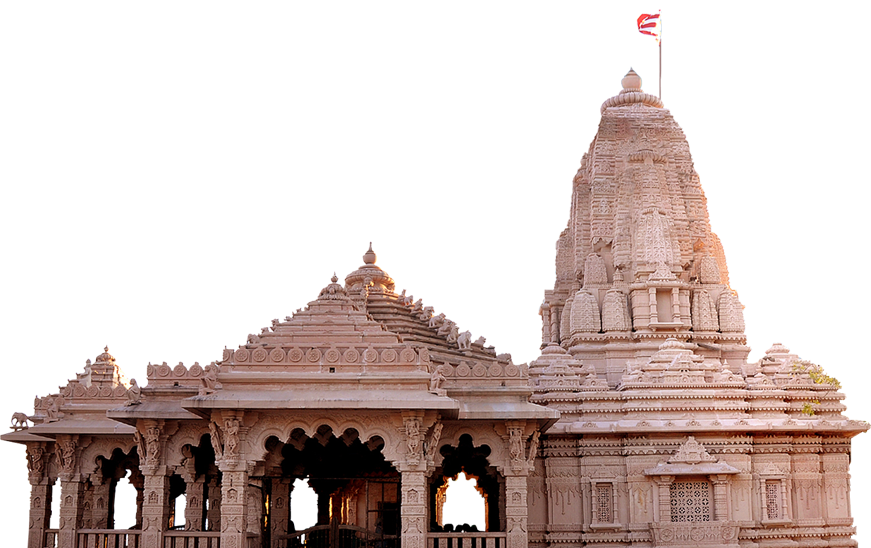
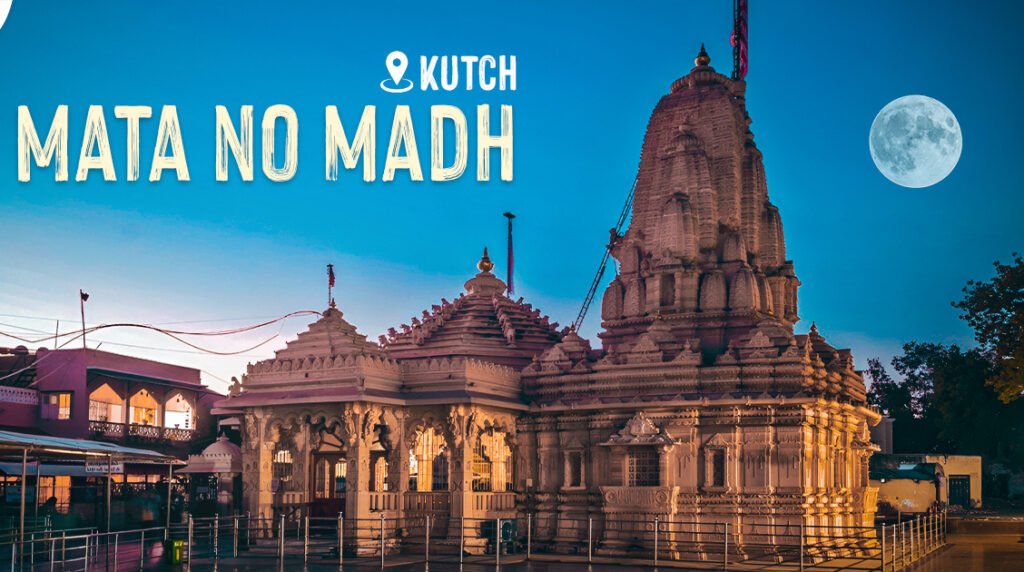
Table of Contents
Table of Contents (Master Series Overview)
- Part 1 (Current)
- Section 1: Season-by-Season Breakdown (Winter, Summer, Monsoon)
- Section 2: Month-by-Month Weather & Temperature Matrix
- Section 3: Detailed Festival & Event Calendar (2026)
- Section 4: Navratri Special Focus & Padyatra Dynamics
- Section 5: Month-by-Month Crowd Density Analysis
- Part 2
- Section 6: Recommended Pilgrimage Durations & Ideal Itineraries
- Section 7: Accommodation Availability & Seasonal Pricing Trends
- Section 8: Health, Safety & Weather-Specific Packing Checklists
- Section 9: Local Sightseeing Synergy (Combining Mata No Madh with Rann of Kutch)
- Section 10: Frequently Asked Questions (FAQs) & Pilgrim Guidance
Section 1: Season-by-Season Breakdown Best Time to Visit Mata No Madh
Understanding the three distinct seasonal shifts in the arid landscape of Kutch is crucial for planning your trip to Best Time to Visit Mata No Madh
- Winter (October to March) — Peak Season
- Temperature: 12°C to 28°C
- Atmosphere: Pleasant, cool breezes, low humidity.
- Highlights: High footfall, major religious events including Chaitra and Sharad Navratri, and ideal weather for walking or outdoor exploration.
- Summer (April to June) — Off-Peak Season
- Temperature: 26°C to 42°C+
- Atmosphere: Arid, hot, dry desert winds (loo).
- Highlights: Minimal crowds, shorter queue times at the temple, lower accommodation prices, but high heat risks during afternoon hours.
- Monsoon (July to September) — Shoulder Season
- Temperature: 24°C to 34°C
- Atmosphere: Humid, light to moderate rainfall, greening of the surrounding Kutch landscape.
- Highlights: Moderate crowds, pleasant cloudy skies, occasional regional transport delays during heavy rain spells.
Section 2: Month-by-Month Weather & Temperature Matrix
| Month | Avg Max Temp (°C) | Avg Min Temp (°C) | Rainfall Level | Ideal For |
| January | 24°C | 10°C | None | General Pilgrimage & Sightseeing |
| February | 27°C | 12°C | None | Pleasant Weather & Senior Citizens |
| March | 33°C | 18°C | Negligible | Chaitra Navratri Pilgrims |
| April | 37°C | 22°C | None | Budget Travelers & Quiet Visits |
| May | 40°C | 26°C | None | Low-Crowd Temple Darshan |
| June | 39°C | 27°C | Low | Pre-Monsoon Devotees |
| July | 34°C | 26°C | Moderate | Nature & Rainy Season Trips |
| August | 32°C | 25°C | Moderate | Scenic Green Kutch Visits |
| September | 33°C | 24°C | Low | Early Navratri Preparations |
| October | 35°C | 21°C | Negligible | Ashwin/Sharad Navratri & Padyatris |
| November | 31°C | 16°C | None | Post-Festival Peace & Rann Utsav |
| December | 26°C | 11°C | None | Winter Holidays & Family Travel |
Section 3: Detailed Festival & Event Calendar (2026)
- Ashwin (Sharad) Navratri (October 2026)
- Significance: The primary and most famous festival at Best Time to Visit Mata No Madh
- Key Rituals: Patotsav, Havan Yagna on Aso Sud Ashtami, distribution of Patri prasad by the Maharao of Kutch.
- Vibe: Highly energetic, hundreds of thousands of Padyatris (foot pilgrims) walking from all parts of Gujarat.
- Chaitra Navratri (March/April 2026)
- Significance: The secondary spring Navratri, deeply revered by traditional families and local communities.
- Key Rituals: Daily special Aarti, Ghatasthapana, and continuous Veda chanting.
- Vibe: Moderately crowded, vibrant, spiritually focused without peak-season congestion.
- Diwali & New Year (Nutan Varsh) (November 2026)
- Significance: Marks the Gujarati New Year (Bestu Varas).
- Key Rituals: Chopda Pujan, midnight special temple opening, and blessing ceremonies.
- Vibe: Heavy local tourist footfall from across Gujarat during extended festival holidays.
Section 4: Navratri Special Focus & Padyatra Dynamics
During the Ashwin Navratri,Best Time to Visit Mata No Madh transforms into a major pilgrimage center. Thousands of walking pilgrims (Padyatris) travel hundreds of kilometers on foot to pay homage to Maa Ashapura.
- Key Route Dynamics: The primary route runs along the Bhuj-Mata No Madh highway. Temporary rest camps (Sewa Camps) are set up every few kilometers offering free meals, medical aid, and shelter.
- Peak Days: Saptami, Ashtami, and Navami of Ashwin Navratri witness peak congestion. Waiting times in the Darshan queue can range from 3 to 8 hours.
- Travel Tip: If travelling by vehicle during Navratri, expect traffic diversions, designated parking zones up to 2 kilometers away from the main temple, and heightened security protocols.
Section 5: Month-by-Month Crowd Density Analysis
- Peak Crowd (Very High): October (Ashwin Navratri), November (Diwali Holidays), March/April (Chaitra Navratri). Expect long queues and packed dharamshalas.
- Moderate Crowd (Medium): December, January, February, August. Great balance between comfortable weather and manageable temple queue times (30 to 60 minutes).
- Low Crowd (Minimal): May, June, July. Virtual walk-in Darshan with waiting times under 15 minutes, ideal for elderly pilgrims who cannot stand in long queues, provided heat precautions are taken.
Section 6: Recommended Pilgrimage Durations & Ideal Itineraries
Selecting the right itinerary for Best Time to Visit Mata No Madhdepends heavily on whether your trip is purely a spiritual pilgrimage or part of a broader Kutch regional tour. Below are optimized travel itineraries tailored to different traveler types.
Recommended Trip Durations
| Traveler Type | Recommended Duration |
| Express Spiritual Pilgrim | 1 Day (Quick Darshan & Return) |
| Standard Family Pilgrimage | 2 Days / 1 Night |
| Kutch Regional Explorer | 3 Days / 2 Nights (Covers Rann & Sea) |
| Navratri Walking Pilgrim (Padyatri) | 4 to 7 Days (Depending on starting point) |
- Option A: Express 1-Day Itinerary (From Bhuj)
- 06:00 AM: Depart from Bhuj via State Highway 42 or SH 89 (approx. 95-100 km, 2 hours drive).
- 08:15 AM: Arrival at Best Time to Visit Mata No Madh; secure vehicle at official parking zones.
- 08:30 AM to 10:30 AM: Morning Darshan of Maa Ashapura, explore main temple complex and historical bell presented by Mian Ghulam Shah Kalhoro of Sindh.
- 10:45 AM to 11:45 AM: Visit nearby Chachara Bhavani Temple and natural rock-cut pool.
- 12:00 PM: Community Lunch (Prasad) at the temple trust Bhojanalaya.
- 01:30 PM to 04:30 PM: En route return stop at Nakhatrana or Dhinodhar Hills for scenic views.
- 06:30 PM: Arrive back in Bhuj.
- Option B: 2-Day / 1-Night Complete Pilgrimage Itinerary
- Day 1: Arrive at Mata No Madh by late afternoon. Check into a local Dharamshala or hotel. Attend the evening Sandhya Aarti at 07:00 PM. Experience the vibrant spiritual atmosphere of the local bazaar. Night stay at Best Time to Visit Mata No Madh.
- Day 2: Early morning Mangla Aarti (05:00 AM). Visit Jagora Ashapura Shrine located 2 miles north on Jagora Hill. Post-breakfast, depart toward Koteshwar Mahadev Temple and Narayan Sarovar (approx. 55 km further west). Return to Bhuj by evening.
Section 7: Accommodation Availability & Seasonal Pricing Trends
Accommodation options at Best Time to Visit Mata No Madh range from trust-managed Dharamshalas to private guesthouses. Demand fluctuates drastically based on the season.
- Temple Trust Dharamshalas & Yatrik Bhavan
- Facilities: Standard non-AC/AC rooms, dormitory beds, basic amenities, and clean communal bathrooms.
- Booking Policy: Primary bookings are handled on a first-come, first-served basis upon arrival. Limited advance reservations are available during peak seasons.
- Price Range: Free to Nominal charges (₹150 – ₹1,000 per night).
- Private Hotels & Guest Houses
- Availability: Located mainly along the highway approaches and near the Nakhatrana bypass.
- Price Range: Standard rates range from ₹1,200 to ₹3,500 per night.
Seasonal Accommodation Pricing Matrix
| Season | Availability | Price Multiplier |
| Off-Peak (Summer/Monsoon) | High (Instant Check-in) | Base Rates (1.0x) |
| Winter (Nov – Feb) | Moderate (Pre-book) | Standard Rates (1.2x – 1.5x) |
| Navratri (Oct & Mar) | Extremely Scarce | Peak Surge (2.5x – 4.0x) |
Pilgrim Tip: During Navratri, accommodation within 15 km of Mata No Madh gets fully booked months in advance. Many pilgrims stay in Bhuj or Nakhatrana and make early morning day-trips to the shrine.
Section 8: Health, Safety & Weather-Specific Packing Checklists
Kutch features an extreme semi-arid climate. Proper preparation ensures a comfortable and safe pilgrimage experience.
Seasonal Packing Matrix
- Winter Essentials (November to February):
- Heavy woolen jacket or sweater (temperatures drop to 10°C at night).
- Thermal underwear for early morning Mangla Aarti queues.
- Lip balm and skin moisturizer for dry winds.
- Comfortable walking shoes (footwear must be removed before entering temple inner sanctums).
- Summer Essentials (April to June):
- Light-colored, loose-fitting cotton clothing.
- Wide-brimmed hat, sunglasses, and high-SPF sunscreen.
- ORS packets, electrolyte powders, and insulated water bottles.
- Soft cotton socks to walk across hot stone pathways outside temple pavilions.
- Monsoon Essentials (July to September):
- Waterproof footwear with good rubber grip (sandstone surfaces can get slippery).
- Compact umbrella or lightweight raincoat.
- Insect repellent and quick-dry synthetic clothing.
Section 9: Local Sightseeing Synergy (Combining Best Time to Visit Mata No Madh with Rann of Kutch)
A pilgrimage to Best Time to Visit Mata No Madh can easily be combined with Kutch’s top tourist destinations.
Distance Chart from Central Hubs
| Route / Destination | Distance (approx.) | Travel Time |
| Bhuj to Mata No Madh | 95 km – 100 km | 2 Hours |
| Mata No Madh to Narayan Sarovar | 55 km | 1 Hour |
| Mata No Madh to Koteshwar Mahadev | 58 km | 1 Hour 10 Mins |
| Mata No Madh to Great Rann of Kutch (Dhordo) | 135 km | 2.5 Hours |
Circuit Highlights
- The Western Sacred Circuit: Bhuj ➔ Mata No Madh ➔ Narayan Sarovar ➔ Koteshwar Mahadev Temple (ideal 2-day loop).
- The White Desert & Faith Circuit: Mata No Madh ➔ Nakhatrana ➔ Dhordo (Great Rann of Kutch – White Desert).
Section 10: Frequently Asked Questions (FAQs) & Pilgrim Guidance
Q1: What is the best month to visit Mata No Madh for clear weather and manageable crowds?
A: February and November offer the optimal balance. Temperatures range from 12°C to 28°C, skies are clear, and queue times generally remain under 45 minutes outside festival peak days.
Q2: What are the daily temple opening hours and Aarti timings at Mata No Madh?
A: The main temple complex typically opens at 05:00 AM and closes around 09:00 PM. Mangla Aarti takes place at 05:00 AM, and Sandhya Aarti is held at 07:00 PM. Timings extend during Navratri.
Q3: Are there special entry tickets or VIP Darshan passes available?
A: No, Mata No Madh follows an egalitarian Darshan system where all devotees join the general queue. Special queues are organized for senior citizens and physically challenged pilgrims during high-volume festival periods.
Q4: How far is Mata No Madh from Bhuj, and what are the best transport options?
A: Mata No Madh is located approximately 95 to 100 km west of Bhuj. Frequent State Transport (GSRTC) buses operate from the Bhuj Bus Stand. Taxis and private rental cars are also easily available.
Q5: What is the significance of the Chachara Bhavani shrine nearby?
A: Located close to the main temple complex, Chachara Bhavani features a holy stepwell (kund). Customarily, pilgrims visit this sacred site to take a symbolic dip or wash their hands and feet before entering the main shrine.
Q6: Is food easily available at Mata No Madh for visiting pilgrims?
A: Yes, the Mata No Madh Temple Trust operates a large Bhojanalaya (community dining hall) providing hygienic, pure vegetarian Gujarati meals (Prasad) free of cost or at nominal charges. Local eateries are also abundant around the temple bazaar.
Q7: Is it suitable to visit Mata No Madh during the summer peak (May–June)?
A: While summer offers short queues and easy Darshan, temperatures often cross 40°C with harsh, dry winds. If visiting in summer, plan your temple visit for early morning (5:00 AM – 8:00 AM) or late evening to avoid heat exposure.
Q8: Can Mata No Madh be combined with a trip to the Great Rann of Kutch (Dhordo)?
A: Yes, Mata No Madh is about 135 km from Dhordo. Travelers typically complete Darshan at Mata No Madh in the morning and proceed toward Nakhatrana and Dhordo by afternoon to witness the sunset over the salt flats.
Q9: What are the main rules or dress codes for entering the Maa Ashapura Temple?
A: Devotees should wear modest, culturally respectful attire. Shoulders and knees must be covered. Leather items (belts, wallets, bags), footwear, and electronic recording devices/cameras are strictly prohibited inside the inner sanctum (Garbhagriha).
Q10: Are there facility arrangements for pilgrims walking on foot (Padyatris) during Navratri?
A: Yes, during Ashwin Navratri, local organizations set up hundreds of volunteer Sewa Camps along the Bhuj–Mata No Madh highway. These camps provide free food, drinking water, medical care, foot massages, and temporary sleeping rest stops for Padyatris.
Section 11: Route Access & Transportation Logistics (2026 Updates)
Reaching Mata No Madh requires navigating the semi-arid road networks of western Kutch. Depending on your point of origin, multiple transit modes and access routes connect the shrine to major transit hubs.
Transit Options Overview
| Mode of Travel | Hub / Starting Point | Distance & Connectivity Details |
| Air | Bhuj Airport (BHJ) | 98 km away; taxis and rentals available directly at terminal |
| Air | Ahmedabad Airport (AMD) | 430 km away; major gateway for international travelers |
| Rail | Bhuj Railway Station (GJHB) | Direct rail access to Mumbai, Delhi, Ahmedabad, & Rajkot |
| Bus | Bhuj Central Bus Stand | Regular GSRTC state transport buses running every 30-45 mins |
| Road | Major Gujarat Cities | Direct private luxury sleeper coaches to Bhuj & Nakhatrana |
- By Air: The nearest domestic airport is Bhuj Airport (BHJ), situated approximately 98 km away. Taxis and private vehicle rentals are available directly at the airport terminal for direct transit to Mata No Madh. For broader international connectivity, Sardar Vallabhbhai Patel International Airport (AMD) in Ahmedabad is the major gateway, located roughly 430 km from the shrine.
- By Rail: Bhuj Railway Station (GJHB) serves as the primary railhead. It links Kutch with major Indian metros, including Mumbai, Delhi, Ahmedabad, and Vadodara. From the railway station, auto-rickshaws connect to the main GSRTC Central Bus Station, or private taxis can be hired directly from the railway station exit.
- By Road (State Buses & Private Transit):
- State Transport buses operate at regular intervals from the Bhuj Bus Stand to Mata No Madh between 05:00 AM and 09:00 PM daily.
- Private luxury sleeper buses operate directly from major Gujarat urban centers (Ahmedabad, Surat, Rajkot, Jamnagar) to Nakhatrana and Bhuj, where regional connecting transport is readily available.
Section 12: Historical Context & Temple Architecture
Understanding the architectural layout and historical legacy of Maa Ashapura’s abode adds depth to the pilgrimage experience.
- Historical Background: The original temple structure was built around the 14th century by two ministers of the local ruler, Ajo and Anag. Over centuries, the shrine underwent restoration due to regional seismic events, most notably after the major earthquakes of 1819 and 2001. The current structure stands as a testament to traditional Kutch craftsmanship combined with modern reinforced stone masonry.
- Architectural Attributes:
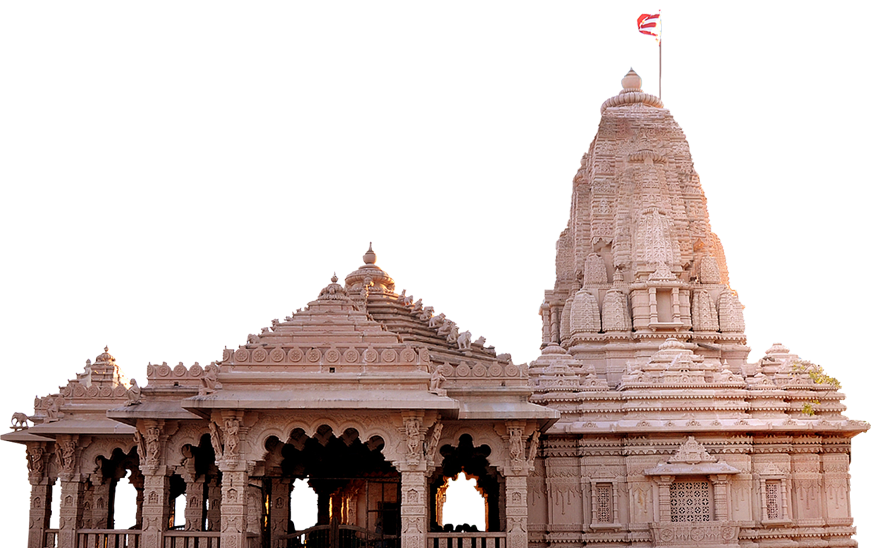
- Sandstone Construction: Built primarily using local reddish-yellow Kutch sandstone, reflecting classic Solanki and regional Kutchi architectural motifs.
- Main Sanctum (Garbhagriha): Houses the iconic self-manifested (Swayambhu) idol of Maa Ashapura, depicting the deity with unique physical features carved directly from the natural rock matrix.
- Historic Kalhoro Bell: Displayed prominently within the complex, this massive brass bell was presented as a homage by Mian Ghulam Shah Kalhoro of Sindh in the 18th century after failing to conquer Kutch.
Mata No Madh Temple Complex Layout
| Zone / Structure | Description & Pilgrim Importance |
| Main Darshan Hall | Covered queue complex with ceiling fans and drinking water |
| Inner Sanctum | Encloses the Swayambhu idol of Maa Ashapura |
| Chachara Bhavani Kund | Sacred stepwell located a short walk from the main gate |
| Trust Bhojanalaya | Mass dining hall serving daily vegetarian Prasad |
| Exhibition Hall | Displays historical artifacts and temple restoration heritage |
Section 13: Local Offerings, Rituals & Prasad Rules
To participate respectfully in temple customs, pilgrims should follow standard local procedures regarding ritual offerings and prasad.
- Traditional Offerings (Pujan Samagri):
- Chunari: Red embroidered cloths are traditionally offered to Maa Ashapura as a symbol of devotion and seeking blessings for family prosperity.
- Coconut & Dry Fruits: Fresh coconuts and sealed dry fruit packs are accepted at designated offering counters outside the immediate sanctum.
- Sindoor & Flower Garlands: Fresh marigold garlands and red vermilion powder (sindoor) are commonly used during morning and evening Puja ceremonies.
- Prasad Distribution Rules:
- Sukhdi & Sweet Prasad: Packaged Sukhdi (a traditional Gujarati sweet made of wheat flour, jaggery, and clarified butter) is available at official trust counters.
- Prohibited Items: Loose cooked food items, liquid items in unsealed glass containers, and non-certified external prasad vendors are strictly barred inside the inner queue complex to maintain hygiene and security.
Section 14: Nearby Attractions & Extended Travel Routes
Extending your visit beyond Mata No Madh allows you to explore the rich geographical and cultural diversity of western Kutch.
Distances to Key Regional Attractions
| Destination | Distance from Mata No Madh | Key Attraction / Focus |
| Dhinodhar Hills | 45 km | Trekking, Monastic Ashram of Dhoramnath, Scenic Viewpoints |
| Desalpar (Gunthli) | 55 km | Harappan / Indus Valley Civilization Archaeological Site |
| Lakhpat Fort | 62 km | Historical Walled City, Lakhpat Gurudwara Sahib, Tomb of Gosh Mohammad |
| Narayan Sarovar | 55 km | One of the 5 Sacred Panch-Sarovars in Hindu Mythology |
| Koteshwar Temple | 58 km | Ancient Coastal Shiva Temple overlooking the Arabian Sea / Creek |
| Chhatori (Bhuj) | 95 km | Royal Cenotaphs and Historical Kutchi Architecture |
- The Lakhpat-Koteshwar Coastal Loop: Travel northwest from Mata No Madh to Lakhpat, explore the massive fort walls overlooking the Rann, continue south to Narayan Sarovar and Koteshwar for sunset over the sea, and return to Mata No Madh or Bhuj by night.