
Visiting the holy shrine of Maa Ashapura is a profoundly spiritual journey, but no pilgrimage to Kutch is complete without exploring the vibrant street bazaars surrounding the temple. Mata No Madh Market Shopping offers pilgrims and travelers a unique opportunity to take home authentic Kutchi culture, from hand-dyed Bandhani textiles to intricate Kutchi embroidery, copper bells, lacquer crafts, and sacred religious souvenirs.
The bustling market lanes surrounding the temple complex form a vibrant commercial hub deeply rooted in centuries-old Kutchi artisan traditions. Whether you are looking for traditional red Chunaris to offer at the sanctum or looking for handcrafted leatherwork, silver jewelry, and regional delicacies, this master guide provides granular details to help you navigate shop selections, fair pricing, and quality verification. This comprehensive reference is brought to you by matanamadh.in, your trusted destination for all pilgrim updates in Kutch.
For travelers planning their route to the market bazaar via state bus routes, you can check live timetables on the official GSRTC Bus Portal.

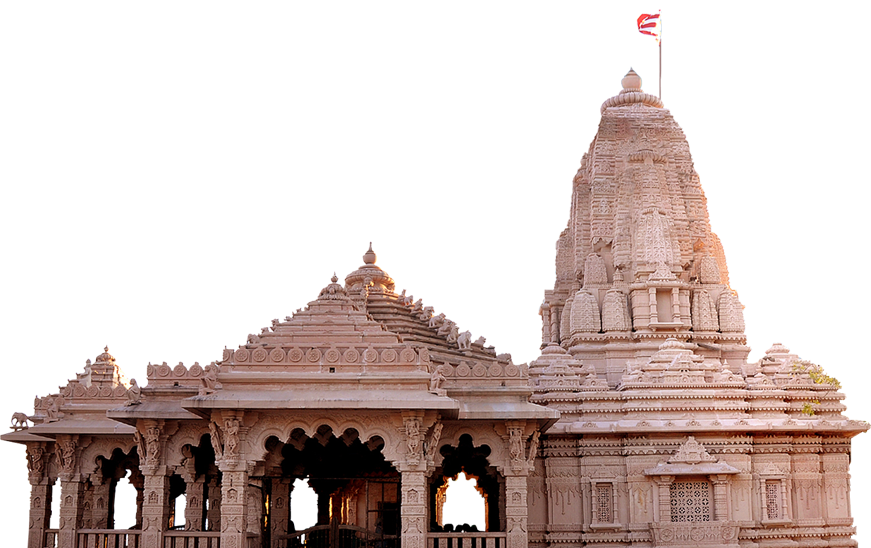
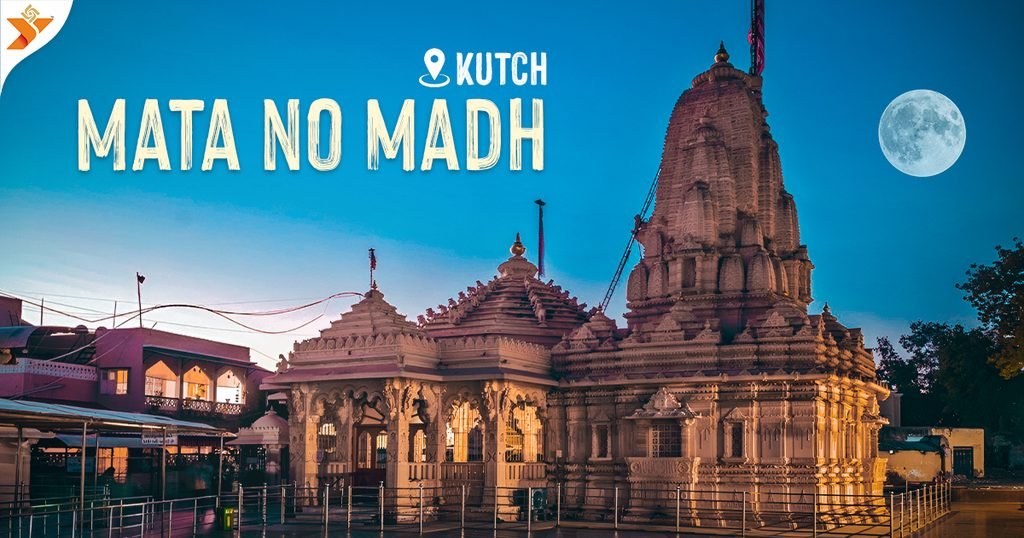
Table of Contents
Master Table of Contents
- Part 1 (Current)
- Section 1: Introduction to the Mata No Madh Market Ecosystem
- Section 2: Authentic Kutchi Bandhani Buying Guide (Styles, Fabrics & Price Ranges)
- Section 3: Religious Souvenirs & Puja Essentials Shopping List
- Section 4: Traditional Kutchi Handicrafts & Artisan Products
- Section 5: Market Navigation Map & Zone Breakdown
- Part 2
- Section 6: Local Food Souvenirs & Kutchi Culinary Delights
- Section 7: Bargaining Ethics, Payment Methods & Cash Tips
- Section 8: Seasonal Shopping Variations (Navratri vs. Regular Months)
- Section 9: How to Spot Counterfeits vs. Authentic Handcrafted Goods
- Section 10: Frequently Asked Questions (FAQs) & Pilgrim Shopping Advice
Section 1: Introduction to the Mata No Madh Market Shopping
The bazaar surrounding the Ashapura Dham temple is an integral part of the local economy of Kutch. Unlike modern commercial shopping complexes, Mata No Madh market shopping preserves an open-air, traditional village haat atmosphere.
- Historical Significance: For centuries, artisans from neighboring villages like Jhura, Nirona, Nakhatrana, and Bhujodi have brought their crafts to Mata No Madh to cater to visiting devotees.
- Operational Hours: Mata No Madh Market shops generally open early around 06:00 AM to cater to early morning Mangla Aarti pilgrims and remain operational until 09:30 PM.
- Economic Impact: Purchasing directly from local shopkeepers supports small family-owned businesses and regional Kutchi artisan households.
Section 2: Authentic Kutchi Bandhani Buying Guide
Bandhani (traditional tie-dye fabric) is the crown jewel of Kutchi textiles. The vibrant red, yellow, maroon, and deep pink hues dyed into intricate geometric motifs make Bandhani a prized souvenir at Mata No Madh.
- Popular Bandhani Styles Available:
- Ekdali: Single dot tie-dye patterns, lightweight and suitable for daily wear.
- Trikunti: Groupings of three dots creating intricate floral or leaf patterns.
- Chokdal: Four-dot square matrices often seen in formal Sarees and Dupattas.
- Gharchola: Traditional grid-patterned bridal sarees blending gold zari lines with red Bandhani dots, deeply symbolic in Gujarati weddings.
Bandhani Fabric & Price Guide
| Fabric Type | Product Category | Average Price Range (INR) | Key Feature / Identification |
| Synthetic / Art Silk | Dupattas & Scarves | ₹150 – ₹450 | Budget-friendly, bright colors, machine-printed |
| Pure Cotton | Sarees & Dress Materials | ₹600 – ₹1,800 | Breathable, authentic tie-dye knots visible |
| Gaji Silk | Premium Sarees & Dupattas | ₹2,500 – ₹8,500+ | Luxurious gloss, natural dyes, heavy fabric weight |
| Georgette | Sarees & Shawls | ₹1,500 – ₹5,000 | Soft drape, vivid colors, easy maintenance |
Section 3: Religious Souvenirs & Puja Essentials Mata No Madh Market Shopping
Devotees visiting Mata No Madh Market prioritize purchasing ritual offerings for Maa Ashapura as well as blessed keepsakes for their homes.
- Maa Ashapura Idol Replicas: Available in brass, marble dust, white metal, and framed gold-foil prints ranging from small pocket shrines to detailed altar statues.
- Sacred Chunaris: Red and orange Bandhani-printed or embroidered cloths used for offering to the deity.
- Puja Samagri Packs: Pre-packaged ritual kits containing brass lamps (Diyas), vermilion (Sindoor), dry fruits, sacred threads (Mauli), and camphor.
- Laminated Temple Photo Frames: Popular budget souvenirs depicting the sanctum idol, ideal for gifting relatives back home.
Section 4: Traditional Kutchi Handicrafts & Artisan Products Mata No Madh Market Shopping
Beyond textiles and religious items, the bazaar features diverse artisan work unique to the Kutch desert region.
- Copper Bells (Jhura Craft): Hand-hammered iron bells coated in copper scrap, tuned to emit resonant melodic sounds. Traditionally used for cattle, now popular for home decor.
- Kutchi Embroidered Accessories: Handbags, wall hangings (Torans), cushion covers, and pouches decorated with mirrors (Abhla work) and colorful thread embroidery.
- Lacquered Wooden Toys: Hand-turned wooden kitchen sets, spinning tops, and decorative cutlery crafted using natural lacquer pigments.
- Rogan Art Keepsakes: Selected specialty stalls feature small wall frames and bookmarks decorated with the world-famous castor oil paint art from Nirona.
Section 5: Market Navigation Map & Zone Breakdown Mata No Madh Market Shopping
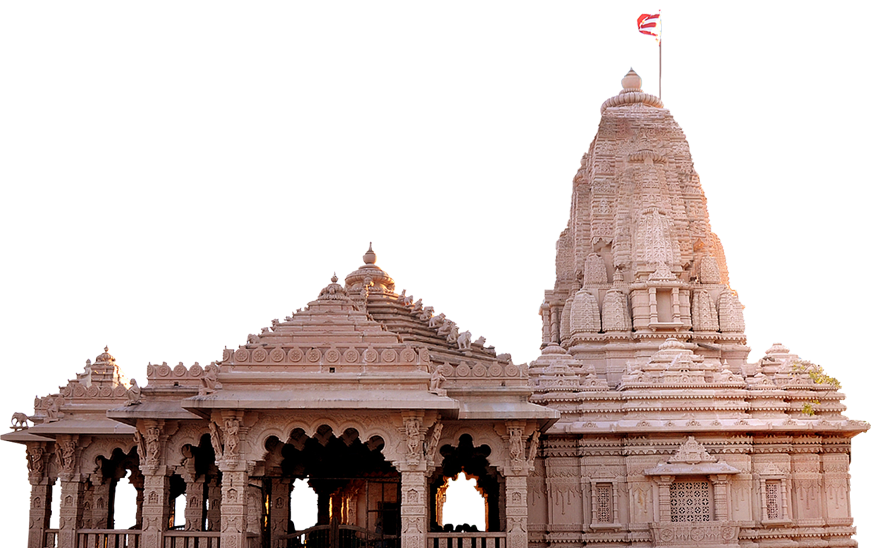
The market stalls around Mata No Madh are organized into distinct shopping zones radiating from the main temple complex.
Market Zone Breakdown
| Zone Name | Location relative to Temple | Primary Items Sold |
| Main Temple Approach Road | Front Gate Lane | Religious souvenirs, Puja kits, Chunaris, Prasad |
| Central Bazaar Circle | 100 meters from Main Gate | Bandhani sarees, dress materials, dupattas, footwear |
| Heritage Artisan Lane | Near Chachara Kund Approach | Copper bells, lacquered woodwork, hand embroidery |
| Village Outer Bypass | Main Bus Stop Vicinity | Kutchi snacks, dry fruits, local travel supplies |
Section 6: Local Food Souvenirs & Kutchi Culinary Delights Mata No Madh Market Shopping
No trip to Mata No Madh Market is complete without tasting and taking home regional food items. The dry, arid climate of Kutch has fostered a unique culinary culture featuring long-lasting snacks (farsan) and traditional winter sweets.
- Kutchi Dabeli: Invented in the region, this iconic street snack features a spicy potato filling stuffed into a soft bun (pav), layered with sweet-and-sour chutneys, roasted peanuts, pomegranate seeds, and sev. While best enjoyed fresh at local market stalls, special Dabeli Masala powder packs are widely sold as edible souvenirs.
- Adadiya Pak: A nutritious, seasonal Kutchi sweet prepared from urad dal flour, edible gum (gond), pure cow ghee, dry fruits, and warming spices like ginger and cardamom. It is popular during winter months (November to February) for its restorative health benefits.
- Gulab Pak & Kopra Pak: Signature sweets from the region made from fresh condensed milk solids (mawa), rose petals (gulab), and grated coconut (kopra). These are packaged in travel-friendly gift boxes with a shelf life of 5 to 7 days.
- Kutchi Pakwan: A traditional crisp, multi-layered round snack made from refined flour and light spices, typically enjoyed alongside hot morning tea.
Popular Edible Souvenirs Price & Shelf Life Chart
| Item Name | Specialty Type | Average Price (INR) | Shelf Life |
| Adadiya Pak | Healthy Winter Sweet | ₹500 – ₹800 per kg | 30 to 45 Days |
| Gulab Pak / Kopra Pak | Mawa Sweets | ₹450 – ₹700 per kg | 5 to 7 Days |
| Kutchi Dabeli Masala | Spice Blend | ₹60 – ₹120 per pack | 6 Months |
| Kutchi Pakwan | Dry Snack | ₹120 – ₹200 per kg | 20 to 30 Days |
| Premium Kharek (Dry Dates) | Dry Fruit | ₹250 – ₹550 per kg | 6 to 12 Months |
Section 7: Bargaining Ethics, Payment Methods & Cash Tips
Navigating the traditional market lanes around Mata No Madh requires an understanding of regional trade practices, payment preferences, and polite bargaining.
- Bargaining Range: In fixed-price trust shops or established sweet stores, prices are firm. For roadside souvenir stalls, small handicraft vendors, and unbranded textile shops, modest bargaining (10% to 20% off the initial quoted price) is acceptable. Always remain respectful, as many vendors are local artisans supporting rural households.
- Cash Requirement: Mobile network coverage in western Kutch can be erratic during peak rush hours or festival days. Digital payments (UPI/QR codes) are accepted by most permanent shopkeepers, but small roadside vendors and hawkers rely exclusively on physical cash.
- ATM Availability: ATMs are limited near the temple main circle. It is recommended to withdraw sufficient cash in Bhuj or Nakhatrana before arriving at Mata No Madh.
Section 8: Seasonal Shopping Variations (Navratri vs. Regular Months)
The market atmosphere and inventory at Mata No Madh shift significantly depending on the pilgrimage season.
Market Dynamics: Navratri Festival vs. Standard Months
| Parameter | Ashwin & Chaitra Navratri | Regular / Winter Months (Nov–Feb) |
| Shop Timings | 05:00 AM – 11:30 PM (Extended hours) | 06:30 AM – 09:00 PM |
| Stock Variety | High focus on Puja items, Chunaris, & Padyatri supplies | Focus on Bandhani sarees, handicrafts, & dry foods |
| Price Trends | Peak festival pricing on religious offerings | Standard base rates; better bargaining room |
| Market Crowds | Heavy congestion; walk-in shopping requires patience | Moderate crowds; comfortable browsing experience |
Section 9: How to Spot Counterfeits vs. Authentic Handcrafted Goods Mata No Madh Market Shopping
With the rise of powerloom textiles and screen-printed imitations, identifying genuine Kutchi craftsmanship ensures you get true value for your money.
- Identifying Authentic Hand-Tied Bandhani:
- Inspect the Dots: Authentic Bandhani features slight irregularities in dot size and alignment, showing the mark of hand-tied threads. Screen-printed lookalikes feature perfectly uniform, repeated grid patterns.
- Check the Reverse Side: Real hand-dyed fabric allows dye to penetrate unevenly to the back, often leaving faint knot marks. Printed fabrics have a stark white or pale reverse side.
- Un-stretched Knots: Genuine high-end Bandhani (such as Gaji Silk or Georgette) is often sold with the original tied knots partially intact, proving it was hand-bound before dyeing.
- Identifying Real Copper Bells:
- Sound Resonance: Authentic hand-tuned Kutchi copper bells produce a rich, lingering acoustic ring when struck. Machine-pressed tin copies produce a dull, flat thud.
- Joinery Marks: Hand-forged bells show subtle hammer marks and iron-copper seam welds without any modern solder lines.
Section 10: Frequently Asked Questions (FAQs) & Pilgrim Shopping Advice
Q1: What is the single most popular souvenir to buy at Mata No Madh Market Shopping?
A: The most sought-after souvenir is an authentic Kutchi Bandhani Saree or Dupatta, closely followed by red temple-blessed Chunaris and hand-hammered copper bells.
Q2: Are shop prices higher right outside the main temple entrance?
A: Yes, stalls directly adjacent to the main gate charge a slight premium due to location convenience. Walking 100 to 200 meters down Central Bazaar Lane or Heritage Artisan Lane generally yields better prices and wider variety.
Q3: Can I buy authentic Rogan Art at Mata No Madh?
A: Selected specialty handicraft stalls carry small Rogan Art frames and bookmarks sourced from Nirona village. However, for an extensive master collection, visiting Nirona village directly (en route from Nakhatrana) is recommended.
Q4: Is credit card or debit card accepted at Mata No Madh Market Shopping stalls?
A: Card swipe machines are rare in the market bazaar due to network limitations. UPI payments (Google Pay, PhonePe, Paytm) work at permanent shops, but physical cash is essential for small vendors.
Q5: Where can I buy official temple Prasad?
A: Official Sukhdi and temple prasad should be purchased directly from the official Mata No Madh Temple Trust counters inside the complex to ensure purity and standard pricing.
Q6: What is Gaji Silk, and why is it expensive?
A: Gaji Silk is a rich, high-density pure silk fabric native to Gujarat with a glossy satin finish. It serves as the traditional base fabric for intricate, high-end Bandhani tie-dye work, making it a premium textile.
Q7: Are market shops open on Sundays and public holidays?
A: Yes, the market operates 7 days a week, including all public holidays. Footfall and shop activity peak on weekends, Gujarati New Year, and during Navratri.
Q8: Can I ship heavy brass idols or handicrafts directly to my home address from the market?
A: Some larger handicraft and textile retailers offer parcel shipping via Indian Speed Post or local couriers for an additional charge. Confirm shipping details and obtain a written receipt before paying.
Q9: What should I keep in mind when buying Kutchi embroideries?
A: Check the backing fabric and thread work. Genuine hand-embroidery shows minor knot variations on the reverse side, whereas machine-made embroidery features perfectly uniform synthetic stitching.
Q10: Are there fixed-price government handicraft shops near Mata No Madh Market ?
A: While there is no official Garvi Gurjari (Gujarat State Handicrafts) outlet inside Mata No Madh village, nearby Bhuj and Urban Haat centers feature state-empaneled fixed-price stores.