
The sacred soil of Kutch holds profound spiritual legends, but few resonate as deeply as the Mata No Madh history. Nestled in Lakhpat taluka of Kutch district, Gujarat, Mata No Madh stands as the divine abode of Maa Ashapura, the chief deity (Kuldevi) of the Jadeja Rajputs and the revered protector of the entire Kutch region. Every year, especially during the auspicious period of Sharad Navratri, hundreds of thousands of devotees undertake grueling foot pilgrimages (Padyatra) to seek the blessings of the goddess who fulfills every earnest desire.
For pilgrims, historians, and spiritual seekers planning their journey through matanamadh.in, understanding the deep historical roots of this shrine enriches the pilgrimage experience. From ancient 14th-century origins to royal patronage, miraculous interventions, and resilient rebuilds following devastating earthquakes, the chronicle of Mata No Madh is a testament to unwavering faith and architectural endurance.
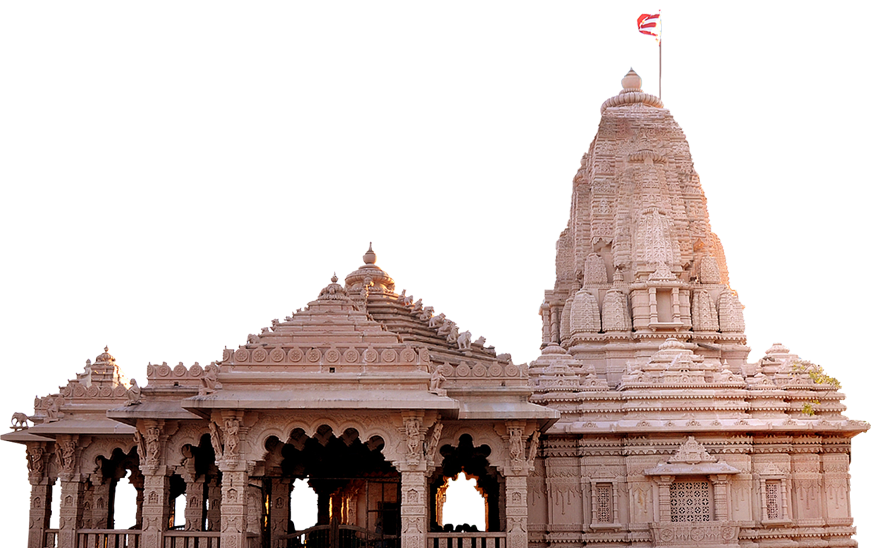
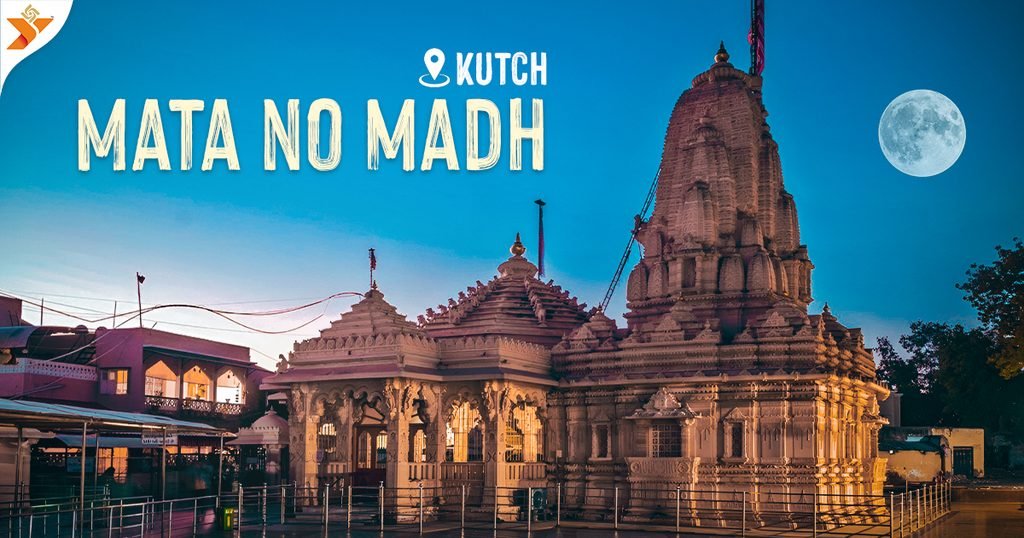
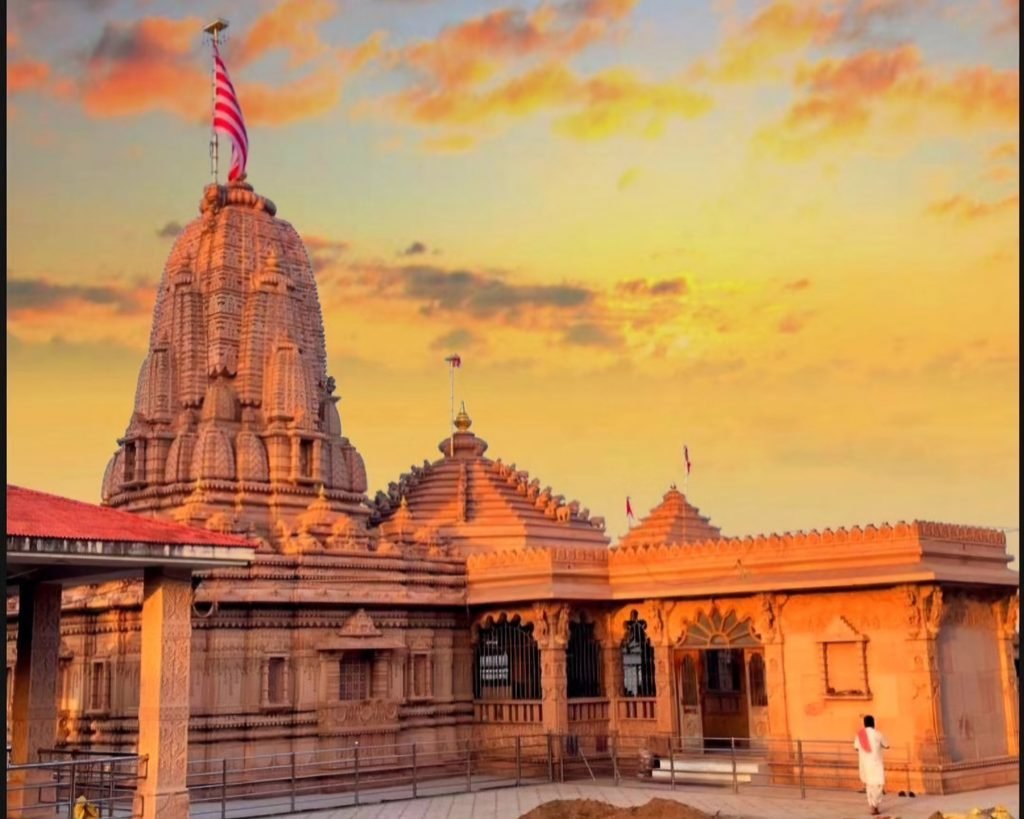
Table of Contents
Section 1: The Divine Origin & Mythological Roots of Maa Ashapura
The name Ashapura translates literally to “The One Who Fulfills Hopes and Desires” (Asha = Hope, Pura = Fulfill). According to local scriptural traditions and oral folklore passed down across generations in Kutch, the origin of Maa Ashapura traces back to a legendary merchant named Devraj Samma.
The Legend of Devraj Samma
Devraj Samma, a devout trader who lacked an heir, traveled extensively across western India praying for divine grace. Exhausted by years of travel, he retired to the quiet hills of western Kutch. In a dream, the Supreme Goddess appeared to him, instructing him to perform a sacred vigil on the very ground where the modern sanctum stands.
- The Divine Appearance: The Goddess promised to manifest herself from the earth under one strict condition: the sanctum doors had to remain sealed for a specified period while her idol self-manifested (Swayambhu).
- The Broken Vow: Overcome with anxiety and eagerness, the merchant opened the doors prematurely. He discovered the divine deity had partially manifested, standing in a unique seated posture. Because the doors were opened early, the divine form remained in that exact posture, which is preserved to this day inside the inner sanctum.
Section 2: Historical Evolution: From Devraj Samma to the 14th Century
While mythological accounts ground the temple in divine intervention, historical records confirm that a structured shrine existed at Mata No Madh by the 14th century.
Key Historical Milestones (14th – 16th Century)
- 1320 AD – Initial Construction: The earliest documented structural foundation of the shrine was laid by two Karad Vaniyas (merchants), Ajo and Anago, who were ministers in the court of the local ruler.
- 1540 AD – Integration into Rajput Lineage: Jam Hamirji of the Jadeja clan sought the refuge and blessing of Maa Ashapura during political turmoil. After his success, Maa Ashapura was officially recognized as the Kuldevi (ancestral deity) of the Jadeja rulers of Kutch.
| Era / Year | Key Historical Event | Historical Impact |
| 14th Century (~1320 AD) | Construction by Ajo and Anago | Established the primary temple structure at the current village site. |
| 1540 AD | Vow of Jam Hamirji | Established Maa Ashapura as the official Kuldevi of the Kutch Dynasty. |
| 1819 AD | Kutch Earthquake | Severely damaged the main structure; restored by local royal patronage. |
| 2001 AD | Bhuj Earthquake | Caused major structural collapse; rebuilt into the modern grand complex. |
Section 3: The Royal Patronage of the Jadeja Dynasty in Kutch
The Mata No Madh history is inextricably linked with the lineage of the Maharaos of Kutch. When Rao Khengarji I consolidated the kingdom of Kutch in 1548 AD with Bhuj as its capital, he attributed his military victories and administrative stability to the divine intervention of Ashapura Mataji.
Royal Privileges and Endowments
- State Deity Status: The Maharao declared Mata No Madh the principal spiritual seat of the realm.
- Trust Governance: The administration of the temple was historically managed through royal decrees and local monastic orders (Kapadis), ensuring that resources were dedicated to feeding pilgrims (Annakshetra).
- Navratri Patri Ceremony: A ceremonial privilege where the head of the royal family receives the sacred drop (Patri) from the Goddess during Navratri—a custom maintained to this day.
Section 4: Architectural History & The Resilience Against Earthquakes
The geographical position of Kutch makes it prone to seismic activity. Consequently, the physical architecture of Mata No Madh has undergone multiple transformations over the centuries.
The 1819 Earthquake and Restoration
In 1819, a massive earthquake struck Kutch, destroying the ancient spire and surrounding corridors. Sundarji Shivji and Vallabhji, prominent ministers in the Kutch state, spearheaded the reconstruction, raising a massive stone structure surrounded by fortified walls (Madh).
The 2001 Reconstruction
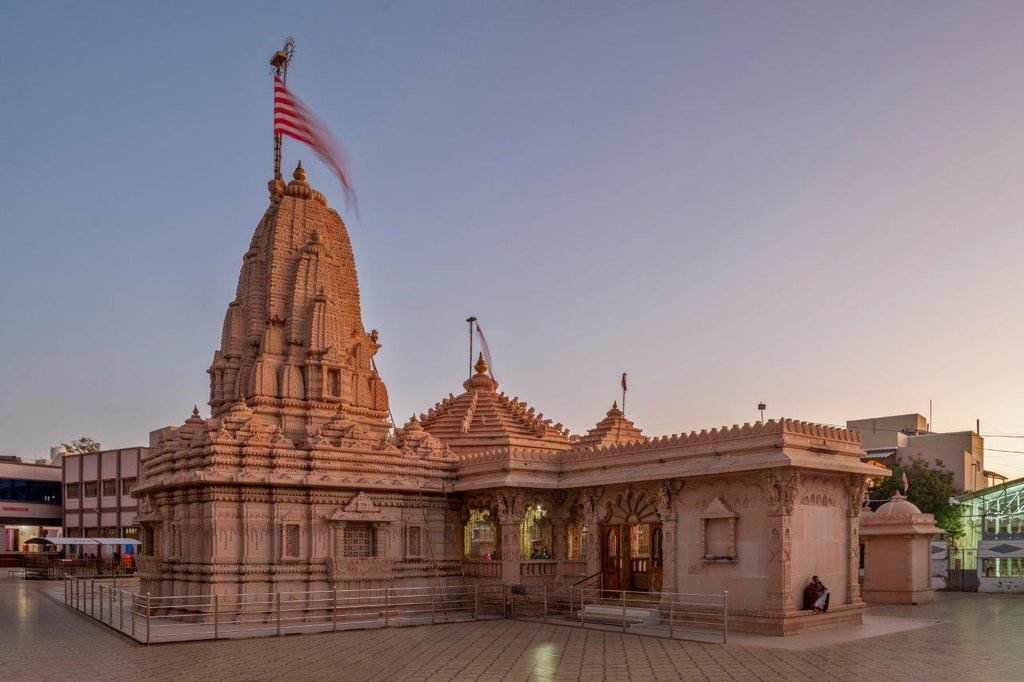
The devastating earthquake on January 26, 2001, caused severe damage to the main dome and outer walls. Through global contributions coordinated by the temple trust, local devotees, and public state infrastructure initiatives, a modern, earthquake-resistant temple was constructed using traditional red sandstone from Rajasthan and Kutch.
The modern temple stands as an architectural marvel, featuring:
- Intricately carved pillars depicting Vedic motifs.
- A spacious Sabha Mandap (assembly hall) capable of accommodating thousands of devotees simultaneously.
- High-security queue management systems designed for peak Navratri rushes.
Section 5: The Sacred Iconography & Temple Complex Layout
The idol of Maa Ashapura inside the sanctum sanctorum (Garbhagriha) is unique in Indian iconography.
Features of the Divine Deity
- Seated Swayambhu Form: The idol is approximately six feet tall, carved from solid rock, and adorned with red Sindoor (vermilion).
- Divine Eyes: The deity features large, glowing eyes made of precious stones, instilling a sense of awe and comfort in visiting devotees.
- Attendants: The idol is flanked by figures representing divine guardians and traditional symbols of prosperity.
Layout of the Mata No Madh Complex
- Main Sanctum (Garbhagriha): Houses the main idol of Maa Ashapura.
- Chachra Kund: A sacred stepwell located nearby, historically used by pilgrims for purification before entering the main shrine.
- Temple Courtyard & Annakshetra: A vast hall where free meals (Prasad) are served continuously to pilgrims year-round.
Section 6: Patri Biddha & Unique Royal Navratri Rituals
The festival of Sharad Navratri (September–October) represents the pinnacle of spiritual activity at Mata No Madh. During these nine nights, ancient traditions preserved since the 16th century come alive, blending deep Vedic devotion with the royal heritage of the Kutch state.
The Sacred Ritual of Patri Biddha
Among all traditions at Mata No Madh, the Patri Biddha ceremony stands out as the most revered and spiritually significant royal ritual.
- The Divine Significance: Patri refers to the divine flower/leaf offering placed on the shoulder of the deity during Ashtami (the eighth night of Navratri). It is believed that when the Goddess accepts the royal devotion, the offering naturally falls from her right shoulder.
- The Royal Privilege: Historically, the Raj Bawa (head of the Kapadi order) and the Maharao (or present royal head of Kutch) stand in deep penance before the sanctum. Catching the fallen Patri in a sacred cloth signifies divine sanction, prosperity, and protection for the land of Kutch for the coming year.
- Timing & Execution: This ritual takes place in the midnight hours of Navratri Havan (Ashtami), witnessed by a tight-knit circle of head priests, royal descendants, and select spiritual leaders.
Key Navratri Rituals at Mata No Madh
| Day / Occasion | Ritual Name | Description & Spiritual Purpose |
| Ghatasthapana (Day 1) | Sacred Kalash Sthapana | Invocation of the divine energy into the sacred water pot, marking the start of Navratri. |
| Saptami (Day 7) | Midnight Aarti & Deep Mala | Illuminate the entire temple complex with thousands of ghee lamps (Diyas). |
| Maha Ashtami (Day 8) | Havan Yajna & Patri Biddha | The grand sacrificial fire followed by the miraculous royal Patri drop ritual. |
| Maha Navami (Day 9) | Purnaahuti & Kanya Pujan | Offering final oblation to the sacred fire and honoring young girls as divine manifestations. |
Section 7: The Holy Sites Around Mata No Madh
A complete pilgrimage to Mata No Madh involves visiting the sacred spots scattered across the surrounding village and nearby hills. Each location carries distinct historical and mythological weight in Mata No Madh history.
1. Chachra Kund
Located just a short walk from the main temple gates, Chachra Kund is an ancient stepped water reservoir (stepwell).
- Historical Role: Traditionally, pilgrims washed away physical impurities and performed ritual ablutions here before stepping into the main sanctum of Maa Ashapura.
- Sacred Legend: Legend holds that water from Chachra Kund contains healing properties blessing those who sprinkle it with pure devotion.
2. Dhinodhar Hills & Monastery
Situated roughly 30 km from Mata No Madh, Dhinodhar Hill is intimately linked to the monastic heritage of Kutch.
- Dharmanath Connection: It is the sacred site where Saint Dharmanath, founder of the Kanphata (slit-ear) Nath sect, performed severe penance standing on his head for 12 years.
- Spiritual Link: The monastic orders of Dhinodhar and Mata No Madh have maintained a reciprocal spiritual relationship for centuries.
3. Matang Dev Shrine & Kapadi Monastery
Near the main temple grounds lies the seat of the Kapadi Sampradaya (monastic order), whose chief administrator (historically known as Raj Bawa) acts as the custodian of temple traditions. The shrine of Matang Dev pays homage to the revered regional saint whose teachings emphasized equality, selfless service, and protection of the local populace.
Section 8: The Legendary Miracles & Folk Folklore of Ashapura Mataji
The cultural fabric of Kutch is rich with songs, poems (Bhardai Gatha), and oral stories documenting miraculous interventions attributed to Maa Ashapura throughout history.
The Miracle of the Siege of Jhura
According to Kutch historical ballads, during an external invasion in the medieval period, the local defense forces were severely outnumbered near Jhura hill. The warriors prayed intensely to Maa Ashapura for assistance. Local folklore records that a sudden, mysterious swarm of bees and blinding dust storms disoriented the invading forces, turning the tide of battle in favor of the Kutch rulers.
The Merchant’s Safe Passage
In the 17th century, a fleet of trading vessels carrying precious cargo from the Arabian Gulf encountered a catastrophic storm off the coast of Lakhpat. The merchant commander vowed to construct a dedicated courtyard corridor at Mata No Madh if his crew survived. Moments later, calm waters guided the ships safely to shore. The commander fulfilled his vow, adding to the growing complex surrounding the primary shrine.
Healing of the Impaired
Devotees across generations continue to share personal accounts of miraculous recoveries from illness, restored sight, and fulfillment of long-sought prayers after completing foot pilgrimages (Padyatra) to Mata No Madh during Navratri.
Section 9: How to Reach Mata No Madh (Routes, GSRTC Buses & Trains)
Mata No Madh is located in the Lakhpat Taluka of Kutch district, Gujarat—approximately 95 km northwest of Bhuj, the headquarters of Kutch. The shrine is well-connected by state highways and public transport networks.
1. By Road & GSRTC Bus Services
Road transport is the primary mode of travel for pilgrims arriving from across Gujarat and neighboring states.
- From Bhuj (95 km): State transport buses operated by Gujarat State Road Transport Corporation (GSRTC) run frequently between Bhuj Bus Station and Mata No Madh. Buses depart every 30 to 45 minutes during peak hours.
- Direct Long-Distance GSRTC Buses: Special direct services operate during Navratri and peak months from major cities including Ahmedabad, Rajkot, Vadodara, Surat, and Jamnagar.
- Taxis & Private Vehicles: Pre-paid and rental taxis are readily available at Bhuj Railway Station and Airport. The route follows the well-paved State Highway 42 (Bhuj-Lakhpat Road) via Nakhatrana.
| Route Origin | Distance (approx.) | Travel Duration | Primary Transport Mode |
| Bhuj | 95 km | 2 hours | GSRTC Bus / Private Taxi |
| Nakhatrana | 50 km | 1 hour | Local Bus / Shared Auto |
| Gandhidham | 155 km | 3.5 hours | State Highway / Express Bus |
| Ahmedabad | 430 km | 8.5 hours | Overnight GSRTC Sleeper / Train to Bhuj |
2. By Rail
- Nearest Railway Station: Bhuj Railway Station (BHUJ), located roughly 95 km away.
- Connectivity: Bhuj is directly linked to major Indian cities including Mumbai, Delhi, Ahmedabad, Pune, and Jaipur via regular express trains (e.g., Kutch Express, Sayajinagari Express). From Bhuj station, travelers can board a GSRTC bus or hire a taxi directly to Mata No Madh.
3. By Air
- Nearest Airport: Bhuj Airport (BHJ), approximately 98 km from the temple complex.
- Alternative Airport: Sardar Vallabhbhai Patel International Airport (AMD) in Ahmedabad (approx. 435 km), offering extensive domestic and international flight connections.
Section 10: Accommodation, Food (Prasad) & Visitor Guidelines
Planning your stay and understanding daily temple logistics ensures a smooth pilgrimage experience.
Temple Timings & Darshan Schedule (2026)
- Morning Opening: 5:00 AM
- Morning Mangla Aarti: 6:00 AM – 6:30 AM
- Midday Closure / Bhog: 12:00 PM – 1:00 PM
- Evening Sandhya Aarti: 7:30 PM – 8:00 PM
- Night Closure: 9:00 PM (Timings extend up to 24/7 during peak Navratri days).
Accommodation Options
- Shree Ashapura Mataji Mandir Trust Dharamshalas: The temple trust operates large, clean, budget-friendly guest houses equipped with basic rooms, dormitory beds, and modern sanitation facilities.
- Private Hotels & Guest Houses: Several private budget lodgings are situated within a 1 km radius of the main temple entrance in Mata No Madh village.
- Advanced Booking: While walk-in accommodation is common during off-peak periods, advance booking through official trust portals or verified local contacts is strongly advised during Sharad Navratri and Diwali holidays.
Free Food Facilities (Annakshetra)
- Bhojanalaya: The temple trust runs a massive, hygienic Annakshetra (free dining hall) serving nutritious, traditional Gujarati vegetarian meals (Prasad) to all visitors twice daily without charge.
- Cleanliness Standards: Filtered drinking water stations and dedicated dining spaces cater to thousands of pilgrims daily.
Essential Visitor Guidelines & Dress Code
- Dress Code: Modest and traditional attire is expected. Shoulders and knees must remain covered inside the main sanctum.
- Photography: Strictly prohibited inside the inner sanctum (Garbhagriha).
- Footwear: Dedicated shoe counters are available free of charge near the entrance courtyard; footwear is forbidden inside the main temple premises.
Section 11: Nearby Attractions in Kutch & Comprehensive FAQs
Combine your visit to Mata No Madh with other iconic historical and cultural landmarks in western Kutch.
Nearby Attractions
- Lakhpat Fort (45 km): A historic ghost town featuring giant stone battlements, an ancient Gurudwara, and views of the Rann marshland.
- Narayan Sarovar (60 km): One of the five sacred lakes (Panch-Sarovar) of Hindu theology.
- Koteshwar Mahadev Temple (64 km): An ancient Shiva temple standing right on the edge of the Arabian Sea coast.
- Dhordo / Great Rann of Kutch (120 km): The world-famous white salt desert and site of the annual Rann Utsav.
Frequently Asked Questions (FAQs)
Q1: What is the historical significance of Mata No Madh?
Answer: Mata No Madh history centers on the 14th-century divine manifestation (Swayambhu) of Maa Ashapura, who became the ancestral deity (Kuldevi) of the Jadeja Rajput dynasty and the chief protector of the Kutch region.
Q2: How far is Mata No Madh from Bhuj, and how can I travel there?
Answer: Mata No Madh is 95 km northwest of Bhuj. You can travel easily via direct GSRTC state transport buses (taking around 2 hours) or private taxis along State Highway 42.
Q3: Is there an entry fee or online pass required for Darshan?
Answer: No entry fee is charged for general Darshan at Mata No Madh. The temple is open to all devotees regardless of background.
Q4: When is the best time to visit Mata No Madh?
Answer: The ideal time to visit is during the cooler winter months from October to March. Visiting during Sharad Navratri (September/October) offers a vibrant cultural experience, though heavy crowds should be expected.
Q5: Are free meals provided at Mata No Madh?
Answer: Yes, the temple trust operates a large Annakshetra that serves free, clean vegetarian meals (Prasad) every day to all visiting pilgrims.