
Experience the divine grandeur of the Mata No Madh Navratri Aarti, the paramount spiritual event celebrated at the historic shrine of Deshdevi Maa Ashapura in Kutch, Gujarat. Every year during the auspicious period of Ashwin Navratri, millions of devotees gather to witness the sacred rituals, grand lamps, and ancient Vedic incantations that echo through the sanctum. Attending the mata no madh navratri aarti is widely believed to bring spiritual transformation, peace, and protection from adversity.
This master 2026 edition on matanamadh.in serves as the definitive reference guide for devotees seeking detailed information on sacred ritual schedules, Aarti timings, historic traditions like Patri Bidh, line-entry rules, and transportation options via the GSRTC Official Portal.
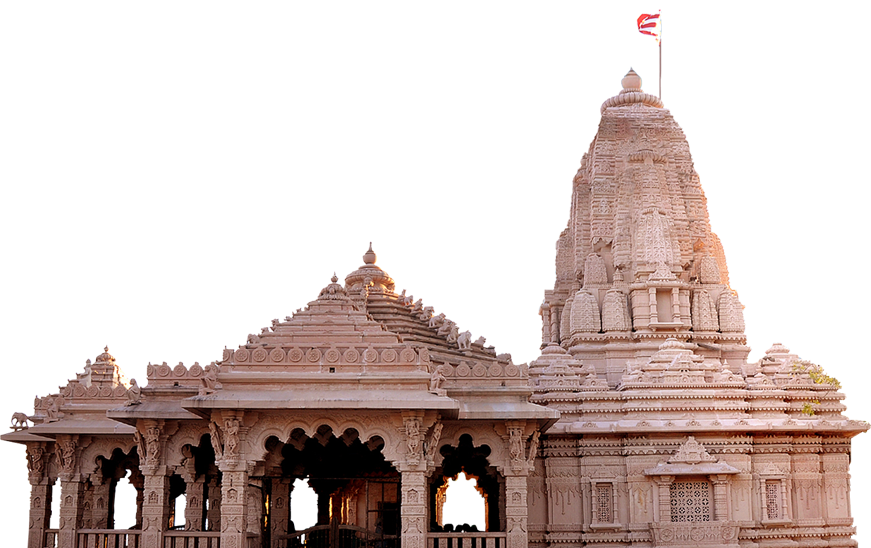
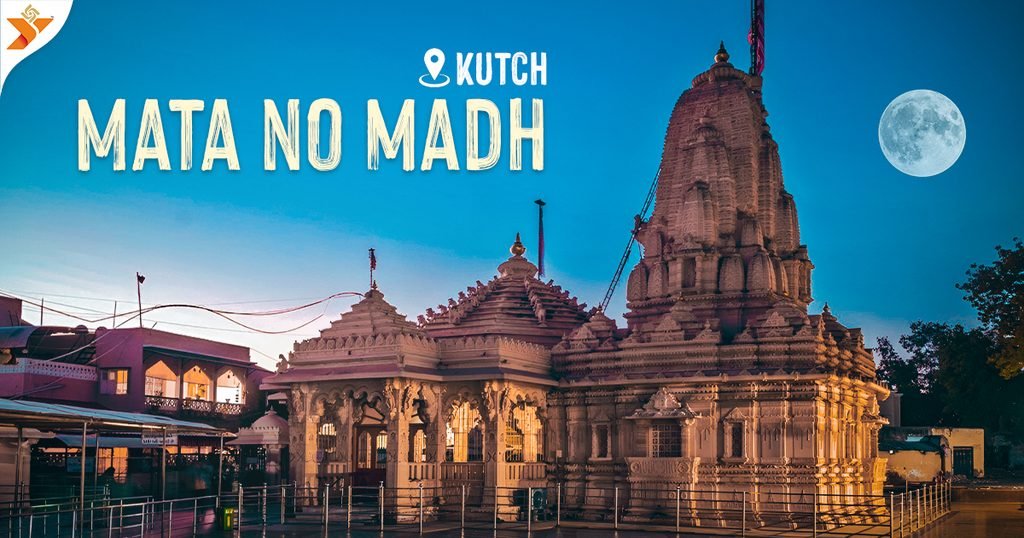
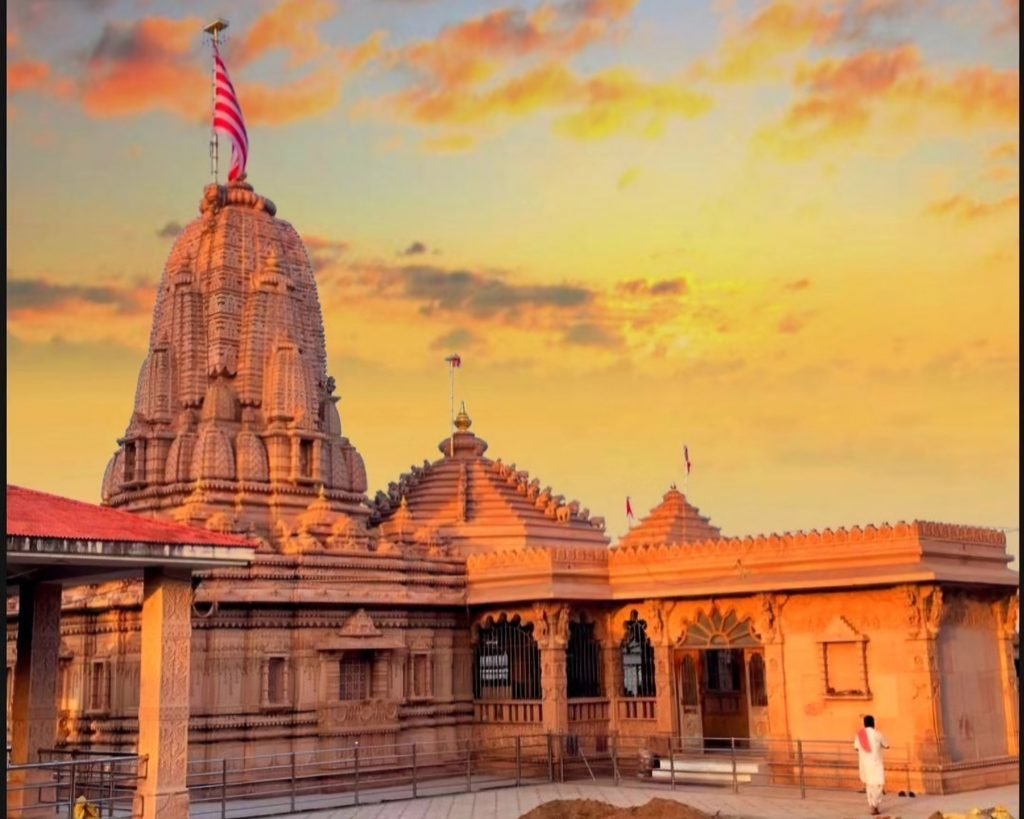
Table of Contents
Section 1: Introduction to Ashwin Navratri at Mata No Madh
The pilgrimage shrine of matanomadh, located in the Lakhpat Taluka of Kutch district, hosts one of western India’s most venerated religious gatherings during the autumn month of Ashwin. The focal point of this intense nine-night celebration is the worship of Maa Ashapura—the direct fulfiller of desires—who has served as the kuldevi (lineage deity) of the Jadeja rulers and the general populace of Kutch for centuries.
During Navratri, the entire village transforms into an illuminated sanctuary. Devotees from all over Gujarat, Maharashtra, Rajasthan, and overseas arrive at mata na madh to pay homage. The mata no madh navratri aarti performed during these nine days is characterized by intricate Vedic chants, traditional musical instruments, and massive brass lamp towers (Deepam), creating an atmosphere of overwhelming spiritual intensity.
Section 2: Spiritual Significance of the Navratri Aarti Ceremonies
In the Shakti tradition of Hindu philosophy, Aarti is not merely a ritual wave of lamps; it represents the complete offering of oneself to the Supreme Cosmic Mother. Observing the mata no madh festival rituals during Navratri carries deep spiritual benefits for the practitioner.
Spiritual Dimensions of the Navratri Worship
- Destruction of Ignorance: The illumination of the multi-tiered brass lamp (Aarti Deep) symbolizes the removal of inner darkness (Tamas) by divine wisdom (Sattva).
- Fulfillment of Vows (Mannat): Thousands of pilgrims undertake arduous barefoot journeys (Padyatra) across hundreds of kilometers to attend the morning and evening Aarti as fulfillment of their prayers.
- Purification of the Energy Field: The rhythmic ringing of ancient bronze bells (Ghanta), copper drums (Nagara), and conch shells (Shankhnaad) during the ceremony generates distinct vibrational frequencies that purify the temple courtyard.
Section 3: Complete Mata No Madh Navratri Aarti Schedule (2026)
To help visiting pilgrims plan their arrival and queue participation, the Shri Mata Na Madh Jagir Trust maintains a precise daily timetable for all major rituals during Ashwin Navratri (October 2026).
Navratri 2026 Daily Ritual & Aarti Timetable
| Sacred Event / Ceremony | Auspicious Time Window | Location / Sanctum | Key Participants |
| Mangla Aarti (Dawn) | 05:00 AM – 05:30 AM | Inner Sanctum (Garbhagriha) | Chief Officiating Pujari Mahant & Monks |
| Ghatasthapana (First Day) | 08:15 AM – 10:30 AM | Special Yajnashala / Sanctum | The Raja Bava (Gadipati) & Senior Monks |
| Shringhar & Dhoop Aarti | 12:00 PM – 12:30 PM | Primary Deity Idol | Officiating Kapdi Sampradaya Priests |
| Sandhya Aarti (Evening) | 07:00 PM – 07:45 PM | Main Temple Courtyard | Monastic Hierarchy, Royal Rep & Devotees |
| Patri Bidh Ceremony (Sud 7) | Midnight (12:00 AM) | Inner Sanctum (Restricted) | Raja Bava & Head of Jadeja Royal Family |
| Maha Yajna Havan (Sud 8) | 07:00 AM – 01:30 PM | Central Havan Shala | Kapdi Monks, Vedic Scholars & Trustees |
| Purna Ahuti (Havan Finale) | 01:30 PM – 02:00 PM | Central Havan Shala | The Raja Bava (Gadipati) |
Section 4: Key Rituals: Ghatasthapana & Sanctum Invocation
The festival of Ashwin Navratri at matanamadh officially commences on Ashwin Sud Ekam with the sacred rite of Ghatasthapana (installation of the holy pot).
The Step-by-Step Invocation Procedure
- Sanctification of the Water: Holy water collected from sacred springs, including Chachra Kund, is brought to the temple inner court in consecrated copper vessels.
- Preparation of the Sowing Bed (Jawara): Clean soil collected from the local Kutch terrain is placed in a shallow earthen dish where nine types of sacred grains (Navadhanya) are sown.
- Placement of the Kalash: A brass or silver urn filled with pure water, coins, betel nuts, and mango leaves is installed upon the soil bed, topped with a consecrated coconut wrapped in red silk.
- Invocation Mantra Chanting: Senior priests chant Vedic mantras to invoke the presence of Maa Ashapura into the urn, which remains undisturbed for the entire nine-day period.
Section 5: The Sacred Patri Bidh Ceremony Explained
One of the most extraordinary and esoteric traditions associated with the mata no madh temple hierarchy is the Patri Bidh ritual, performed on the night of Ashwin Sud Saptami (Seventh Night of Navratri).
Significance and Execution of Patri Bidh
- Exclusivity: The ritual takes place at midnight behind closed sanctum doors. Access is strictly limited to the reigning Raja Bava (Gadipati) and the official representative of the Jadeja Royal Dynasty.
- The Divine Sign (Patri): A delicate flower or leaf (Patri) placed upon the shoulder of the idol of Maa Ashapura is watched in total silence. The precise moment when the flower falls naturally from the deity’s left or right shoulder is regarded as a divine prophecy for Kutch and its people for the coming year.
- Royal Offering (Nived): Following the fall of the Patri, the royal representative presents traditional offerings (Nived), silk garments, and coconut to the deity, receiving the blessed flora directly from the Gadipati.
Section 6: The Grand Havan Yajna on Ashwin Sud Ashtami
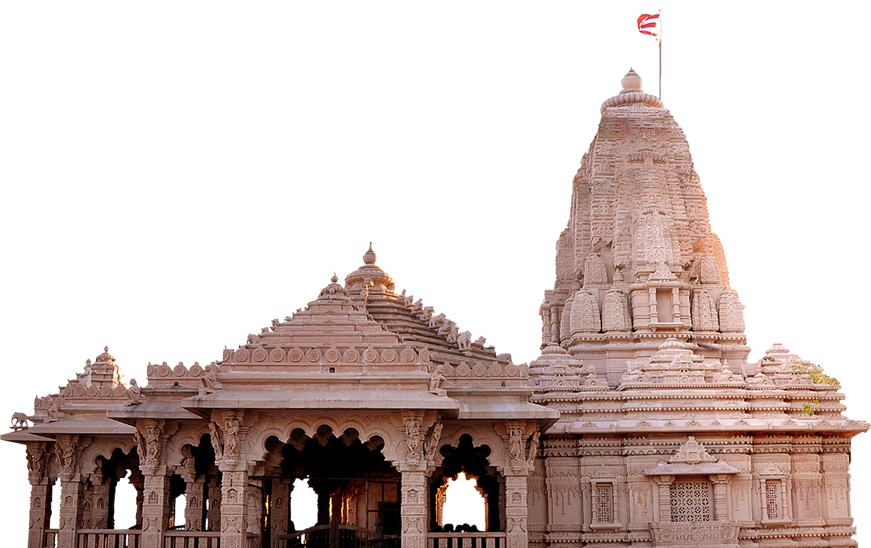
The climax of worship during the Navratri festival at mata no madh culminates on the eighth lunar day (Ashwin Sud Ashtami) with the execution of the monumental Maha Yajna Havan. This ancient fire sacrifice is performed inside the specially designed central Yajnashala of the temple complex.
Sacred Timeline & Phases of the Maha Ashtami Havan
- Initial Agni Sthapana (07:00 AM): Consecrated fire is generated using traditional wooden Arani friction sticks, avoiding chemical or modern ignition sources to maintain ritual purity.
- Continuous Ahuti Offering (08:00 AM – 01:00 PM): Senior Vedic priests from the Kapdi Sampradaya offer oblation mixtures containing Ghee (clarified butter), dried herbs, sesame seeds, barley, and crushed coconut into the sacred fire pit.
- Arrival of the Raja Bava (12:30 PM): The spiritual head (Gadipati) enters the Yajnashala accompanied by ceremonial musical ensembles playing traditional drums (Nagara) and trumpets (Karna).
- Grand Purna Ahuti (01:30 PM): The final offering, consisting of a full coconut wrapped in sacred silk, is presented into the flames by the Raja Bava, marking the successful completion of the festival’s supreme sacrifice.
Section 7: Daily Aarti Procedures & Inner Sanctum Entry Guidelines
Attending the daily mata no madh navratri aarti requires strict adherence to ancient protocols established by the Shri Mata Na Madh Jagir Trust to ensure public safety and spiritual sanctity.
Entry Rules for Daily Aarti Ceremonies
| Rule Category | Mandatory Protocol | Strictly Forbidden |
| Footwear & Leather | Must be deposited at the free Toran Gate counters before joining queue lines. | Wearing shoes, sandals, or leather belts inside queue corridors. |
| Electronics & Cameras | Must be deposited at secure electronic locker bays near the entry gate. | Mobile phones, cameras, or audio recording devices inside the sanctum. |
| Physical Queue Protocols | Devotees must remain within designated zigzag steel barricade lanes. | Cutting lines, pushing, or jumping queue barriers during peak Aarti hours. |
| Attire Requirements | Modest traditional clothing (Dhoti/Kurta or Saree/Salwar). | Shorts, sleeveless shirts, or non-traditional western clothing. |
Section 8: Role of the Raja Bava (Gadipati) in Navratri Worship
The Raja Bava, also recognized as the Gadipati of the Kapdi Monastic Order at matanomadh, serves as both the spiritual leader and royal monastic head during the Ashwin Navratri celebrations.
Spiritual & Administrative Duties of the Gadipati
- Presiding over Esoteric Rites: The Raja Bava personally officiates the midnight Patri Bidh ceremony and presents the Purna Ahuti coconut into the Maha Ashtami Havan fire.
- Bestowing Divine Blessings (Darshan): Following key Aarti hours, the Raja Bava holds court at the traditional Gadi (throne room) to give personal blessings and Prasad to visiting foot-pilgrims (Padyatris).
- Maintaining Monastic Lineage: As the custodian of centuries-old tradition, the Gadipati ensures that every mantra recitation, garment change (Shringhar), and offering strictly follows the authentic Kapdi Sampradaya manuals.
Section 9: Royal Jadeja Dynasty Participation & Ceremonial Rights
The historical bond between the Jadeja royal family of Kutch State and Maa Ashapura remains central to the mata na madh Navratri celebrations. While administrative management is led by the Jagir Trust, the royal house retains specific ceremonial rights during the festival.
Royal Ceremonial Rights & Duties
- The Royal Presentation (Nived): The head of the Jadeja dynasty arrives at the shrine on Sud Saptami to present traditional silk garments (Chunari), silver ornaments, and sweet offerings directly to the deity.
- Witnessing the Patri Bidh: The royal representative is the sole authorized dignitary permitted inside the closed sanctum during the midnight Patri Bidh leaf-dropping ritual on Sud Saptami.
- Leading the Procession: During major feast days, royal representatives walk alongside the Raja Bava in ceremonial processions (Shobha Yatra) within the temple precincts.
Section 10: Padyari Foot Pilgrims & Sacred Walking Routes to the Aarti
One of the defining aspects of the mata no madh Navratri festival is the arrival of over one million foot-pilgrims (Padyatris) who walk barefoot from all parts of Gujarat and India to attend the morning and evening Aarti ceremonies.
Primary Walking Routes to Mata No Madh
| Route Name | Starting Point | Total Distance | Key Resting Halts / Camps |
| Bhuj – Nakhatrana Highway Route | Bhuj ST Bus Depot | ~95 km | Sukhpar, Mankuva, Deshalpar, Nakhatrana |
| Anjar – Adipur Industrial Belt Route | Anjar Junction | ~140 km | Gandhidham Bypass, Padana, Bhuj Peripheral Camp |
| Mandvi Coastal Route | Mandvi Port City | ~125 km | Layja, Gadhsisa, Devpur Transit Station |
| North Kutch Highway Route | Dayapar / Panandhro | ~45 km | Gaduli Junction, Sanandro Halting Camp |
Section 11: Special Queue Management & Fast-Track Aarti Entry
During the peak days of Ashwin Navratri, daily footfall at mata no madh routinely exceeds 200,000 devotees. To manage these immense crowds smoothly while maintaining safety around the inner sanctum, the Shri Mata Na Madh Jagir Trust implements an organized multi-corridor queue system.
Queue Structure & Fast-Track Lane Allocation
- General Pilgrimage Corridor: A multi-layered, covered zigzag queue complex constructed with heavy steel barricading. Includes overhead mist-cooling fans, drinking water dispensation points, and real-time CCTV monitoring.
- Senior Citizen & Divyangjan Lane: A dedicated express ramp bypassing the main holding bays. Designed specifically for devotees aged 65 and above, wheelchair users, and physically challenged pilgrims.
- Mothers with Infants Express Pass: A priority entry lane operational at the main Toran Gate for mothers traveling with children under two years of age.
- Padyari VIP Clearance: Foot pilgrims (Padyatris) who complete barefoot journeys over 100 km receive verified wristbands at outer checkpoints for direct batch entry during off-peak Aarti hours.
Section 12: Live Telecast, Webstreaming & Digital Aarti Viewing Options
For devotees unable to travel to Kutch in person, real-time access to the mata no madh navratri aarti is broadcast globally through official digital channels and television networks.
Digital Access Platforms & Streaming Outlets
| Broadcast Channel | Platform / Medium | Services Provided |
| Official Trust Web Portal | Matanamadh.org / Digital Stream | 24/7 Live Sanctum Feed & Scheduled Aarti Telecasts |
| Gujarat Information Bureau | State Webcasting & YouTube | Special live coverage of Ghatasthapana, Patri Bidh, and Maha Havan |
| Regional Satellite TV Channels | DD Girnar, VTV Gujarati, GSTV | Live morning and evening Aarti telecasts during all 9 days |
| Utsav Portal (Govt of India) | Ministry of Tourism Web App | High-definition live Darshan streaming feed |
Section 13: Security Protocol, Metal Detectors & Crowd Safety Rules
Securing the core temple complex during Navratri involves a multi-tiered defense and surveillance grid deployed by the District Police of Kutch in coordination with private security agencies and trust volunteers.
Emergency Protocols & Security Deployments
- Door-Frame Metal Detectors (DFMD): Installed across all three primary entry gates. Every pilgrim must undergo bag scanning and body search screenings.
- Integrated CCTV Surveillance: A central control room monitors over 150 high-definition cameras equipped with facial recognition and crowd-density heat mapping.
- Public Address System (PAS): Loudspeakers positioned every 30 meters throughout matanomadh village broadcast real-time crowd announcements, safety reminders, and lost-and-found alerts in Gujarati, Hindi, and English.
- Quick Response Teams (QRT): Armed state police units and emergency medical teams stationed at strategic perimeter posts to handle potential bottlenecks or emergencies.
Section 14: Annakshetra Special Navratri Prasadam & Vrat Meal Schedules
The mata na madh central dining hall (Annakshetra) scales up its free food distribution services exponentially during Ashwin Navratri to cater to both general devotees and fasting pilgrims (Upavasi).
Special Navratri Dining Services
- Fasting Special Meals (Farali Prasad): Dedicated dining enclosures serving pure Vrat food, including Sabudana Khichdi, Rajgira Puri, Potato Curry made with Rock Salt (Sendha Namak), and Fresh Milk Sweets.
- Continuous Serving Hours: The Annakshetra operates almost round-the-clock during Navratri, opening immediately after the morning Mangla Aarti and serving continuously until midnight.
- Hygienic Preparation Standards: Meals are prepared in large-scale mechanized steam kitchens following strict religious purity standards under the supervision of Kapdi Sampradaya monks.
Section 15: Navratri Accommodation Facilities & Dharamshala Allocation
Finding accommodation at matanamadh during Navratri requires strategic planning due to extreme demand across all trust-run and private lodging hubs.
Accommodation Types & Allotment Rules
| Facility Type | Capacity / Units | Allotment Procedure | Operational Guidance |
| Central Trust Dharamshalas | 1,500+ Family Rooms | On-Arrival Counter Registration | First-come, first-served basis; valid photo ID required |
| Padyari Mass Holding Tents | 50,000+ Dormitory Spaces | Open Entry for Foot Pilgrims | Free communal halls with bedding, carpets, and communal washrooms |
| Private Guest Houses | ~500 AC/Non-AC Rooms | Direct Advance Booking | Located in main village bazaar; higher tariffs during festival days |
| Temporary Tented Cities | Variable Open Bays | Managed by District Admin | Erected on village outskirts during peak days (Sud 6 to Sud 9) |
Section 16: Transportation During Navratri: GSRTC Buses & Special Trains
Navigating to mata no madh during the festival peak requires utilizing the massive public transit infrastructure deployed by state authorities. The Gujarat State Road Transport Corporation (GSRTC) operates hundreds of extra long-distance and shuttle buses specifically for the Navratri rush.
Transit Options & Special Schedules (2026)
| Service Type | Provider / Operator | Key Routes & Origin Points | Operating Frequency |
| Festival Special Express Buses | GSRTC | Ahmedabad (Gita Mandir), Rajkot, Vadodara, Surat | Continuous departures during peak days (Sud 5 to Sud 9) |
| Bhuj–Mata No Madh Shuttle | GSRTC Local Depot | Bhuj Central Bus Stand directly to Mata No Madh | Departures every 5–10 minutes, 24 hours daily |
| Festival Special Trains | Indian Railways | Mumbai Central / Vadodara to Bhuj Station | Special overnight trains; connecting buses available at Bhuj |
| Inter-Kutch Regional Shuttles | Private Operators & GSRTC | Mandvi, Gandhidham, Anjar, Nakhatrana, Lakhpat | Scheduled hourly services connecting outer transit hubs |
Section 17: Parking Hubs, Route Diversions & Highway Entry Zones
To prevent severe traffic congestion in the village core, the Kutch District Police enforces strict vehicle diversions and ring-road entry protocols for private vehicles and tourist buses heading toward matanomadh.
Vehicle Movement & Outer Parking Grid
- Heavy Commercial Vehicle Restriction: All heavy freight trucks are diverted away from State Highway 42 and the primary Bhuj–Nakhatrana route during the entire 9-day Navratri period.
- Outer Parking Bay A (Private LMV Cars & SUVs): Situated ~1.5 kilometers before the main Toran Gate. Complimentary shuttle mini-buses transfer senior citizens from the lot to the queue entrance.
- Outer Parking Bay B (Tour Buses & Heavy Vehicles): Large-capacity unpaved parking area located along the North Peripheral Bypass with full lighting, water kiosks, and security patrols.
- Pedestrian-Only Zone: The inner village radius of 1 kilometer surrounding the shrine is designated strictly for foot traffic; zero motor vehicles are permitted past security barriers.
Section 18: Health Posts, First Aid Stations & Emergency Support
Comprehensive medical infrastructure is deployed across mata na madh and along major pilgrim walking highways to treat exhaustion, dehydration, and injuries among foot pilgrims (Padyatris).
Emergency Medical Infrastructure Matrix
| Health Service Point | Physical Location | Facilities & Care Provided | Availability |
| Central Emergency Medical Camp | Near Main Temple Entrance | Trauma care, IV fluid therapy, emergency cardiac care, doctor team | 24 Hours |
| Padyari Medical Halts | Highway every 5 km (Bhuj route) | Foot blister care, leg massage, pain relief sprays, ORS distribution | 24 Hours |
| 108 Mobile Ambulance Bays | 3 Strategic Entry Hubs | Advanced Life Support (ALS) units for quick transfer to Bhuj | On-call 24/7 (Dial 108) |
| Government PHC Ward | Mata No Madh Village | General outpatient care, pharmacy, basic inpatient beds | 24 Hours |
Section 19: Shopping for Sacred Shringhar & Aarti Pooja Samagri
Purchasing ritual offerings for the mata no madh navratri aarti is a traditional part of the pilgrimage experience. The bustling bazaar surrounding the temple complex features hundreds of dedicated stalls.
Essential Worship Items & Standard Market Pricing
- Sacred Red Chunari: Intricately embroidered silk shawls adorned with golden Zari work, offered to drape the idol of Maa Ashapura (Prices range from ₹50 to ₹1,500 depending on material).
- Complete Shringhar Set: Traditional cosmetic offerings including bangles, Kumkum, bindi, mirrors, and red ribbon (Packaged sets available from ₹100 to ₹500).
- Fresh Flower Garlands: Marigold and rose garlands harvested daily from nearby farms in Kutch (Priced at ₹30 to ₹100 per garland).
- Authentic Kutch Dry Fruit Prasad: Packaged offerings of almond, cashew, coconut, and sugar candy (Mishri) verified by local trust guidelines.
Section 20: Volunteer Contingents (Sevaks) & Helpdesk Services
The smooth operation of the matanamadh Navratri festival relies heavily on non-profit voluntary organizations (Seva Samitis) working alongside official trust staff.
Volunteer Support Operations
- Mass Crowd Guidance: Over 2,000 registered Sevaks guide pilgrims through the zigzag barricade systems and ensure continuous movement past the sanctum Darshan window.
- Padyari Camp Administration: Volunteer groups set up free refreshment tents along the highways, serving tea, snacks, clean drinking water, and hot meals to walking pilgrims.
- Lost & Found Registration Desks: Central assistance booths handle lost items and help reunite separated family members using high-output public address systems.
Section 21: Code of Conduct & Etiquette During Navratri Worship
Maintaining spiritual sanctity, order, and mutual respect is essential when participating in the mata no madh navratri aarti ceremonies. Devotees must adhere to strict behavioral guidelines within the temple precinct and surrounding village areas.
Operational Etiquette Matrix for Pilgrims
| Focus Area | Recommended Etiquette (Do’s) | Strictly Prohibited Actions (Don’ts) |
| Temple Dress Code | Wear clean, modest traditional Indian attire (Dhoti-Kurta, Saree, or Salwar Kameez). | Avoid shorts, sleeveless tops, short skirts, or western party wear. |
| Sanctum Demeanor | Join hands, chant “Maa Ashapura Ni Jai” peacefully, and move briskly along queue lines. | Do not push, linger in front of the deity window, or disrupt queue momentum. |
| Pooja Offerings | Offer dry fruits, coconut, and silk Chunari through official priests (Pujaris). | Do not throw flowers or money directly onto the idol or into the inner sanctum. |
| Purity Standards | Deposit shoes at designated Toran Gate counters before joining the queue corridor. | Leather belts, wallets, shoes, and tobacco items are strictly forbidden inside. |
| Waste Disposal | Dispose of organic waste, coconut husks, and paper wrappers in color-coded bins. | Littering plastics or dropping water bottles along queue corridors is fined. |
Section 22: Emergency Directory & Trust Helpdesk Contacts
In the event of medical emergencies, lost family members, lodging disputes, or route queries during Ashwin Navratri 2026, pilgrims can immediately connect with the administrative and security emergency networks stationed at matanamadh.
Essential Contact Information Directory
- Shri Mata Na Madh Jagir Trust Main Administrative Office: +91 2839 267422 / +91 2839 267551
- Official Trust Helpline Email: jagir@matanamadh.org
- Police Control Room (Mata No Madh Special Outpost): +91 2832 250519 / Dial 112
- State Medical Emergency Service (Ambulance): Dial 108
- Primary Health Centre (Mata No Madh Unit): +91 2839 267330
- GSRTC Bus Depot Control Room (Bhuj Central Station): 1800 233 6666 (Toll-Free Helpline)
- District Collectorate Control Room (Kutch-Bhuj): +91 2832 250020
Section 23: Frequently Asked Questions (FAQs) About Navratri Aarti
Q1: What are the exact timings for the daily Aarti at Mata No Madh during Navratri?
During Ashwin Navratri, the Mangla Aarti takes place at 05:00 AM, the Shringhar & Dhoop Aarti is performed at 12:00 PM (noon) / 09:00 AM standard schedule, and the main Sandhya Aarti takes place at 07:00 PM. Continuous Darshan remains open up to 20 hours daily.
Q2: What is the significance of the Patri Bidh ceremony on Sud Saptami?
The Patri Bidh is an esoteric midnight ritual where a sacred leaf/flower (Patri) placed on Maa Ashapura’s idol falls naturally. Its direction and timing are considered divine prophecies for the well-being and prosperity of Kutch for the coming year.
Q3: Are VIP passes or online priority Aarti tickets available?
No. The Shri Mata Na Madh Jagir Trust strictly follows a traditional queue system where all general devotees stand in the same barricaded lines. Express lanes are reserved exclusively for senior citizens, physically disabled individuals, and mothers with infants.
Q4: How can foot pilgrims (Padyatris) access free meals and lodging?
All foot pilgrims can utilize the massive free holding tents set up around mata na madh and eat complimentary, nutritious meals at the 24-hour Annakshetra dining hall. No registration fee or ticket is required.
Section 24: Route Maps & Distance Guides from Major Cities
Navigating to mata no madh during the 2026 festival season is direct via the updated highway network connecting Kutch to major transportation hubs.
City Distance & Travel Time Matrix (2026 Edition)
| Origin City | Distance (km) | Primary Highway Route | Estimated Travel Time | Best Transit Option |
| Bhuj | ~95 km | SH 42 via Nakhatrana | 2.0 Hours | GSRTC Shuttle / Private Taxi |
| Nakhatrana | ~40 km | State Highway 42 | 45 Minutes | Local Bus / Shared Taxi |
| Gandhidham | ~155 km | NH 41 & SH 42 via Bhuj | 3.5 Hours | GSRTC Express Bus / Train to Bhuj |
| Ahmedabad | ~410 km | NH 947 & SH 42 via Viramgam | 8.5 to 9.5 Hours | GSRTC Volvo/Sleeper Bus |
| Rajkot | ~330 km | NH 27 via Morbi & Samakhiyali | 7.0 Hours | State Express Bus / Private Car |
Section 25: Final Summary & Devotee Checklist for Navratri 2026
Attending the mata no madh navratri aarti is a profound spiritual experience. Proper preparation ensures that your pilgrimage remains seamless, safe, and spiritually fulfilling.
Pre-Departure Checklist for Devotees
- Identity & Travel Proof: Carry original photo ID cards (Aadhaar/Voter ID) required for trust room allotments and security verification.
- Attire Preparation: Pack modest, traditional clothes along with comfortable walking footwear for queue waiting times.
- Transit Reservations: Book return bus tickets early via the official GSRTC Portal to avoid peak-day rushes.
- Emergency Contacts Saved: Store the Jagir Trust administrative numbers and local emergency helpline contacts in your phone.
- Offering Verification: Purchase Pooja Samagri and Chunaris only from trust-verified market vendors to ensure authentic offerings.