
The sacred ritual of Patri Bhaav at Mata No Madh represents one of the most mysterious, revered, and spiritually intense events in the living Shakta traditions of Western India. Performed exclusively during the midnight hours of Ashvin Navratri at the principal shrine of Maa Ashapura in Kutch, this rare divine blessing draws hundreds of thousands of pilgrims, royal descendants, and spiritual seekers. Devotees searching across regional portals under matanamadh, mata na madh, and matanomadh often seek to understand the precise theological origin, procedural sanctity, and miraculous nature of this annual ceremony. At [matanamadh.in], our mission is to deliver an exhaustive, historically accurate, and authoritative breakdown of this profound event for 2026.
In the sacred geography of Kutch, Patri Bhaav at Mata No Madh is not merely a symbolic ceremony; it is believed to be the direct physical manifestation of Maa Ashapura’s divine grace. During the height of the midnight Navratri Havan, sacred leaves and flower petals (Patri) fall spontaneously from the deity’s image into the open cloth (Jhel) held by the head priest, historically known as the Raja Bava. This miraculous occurrence marks the spiritual renewal of the land, signaling prosperity, protection, and divine sanction for the coming year.
Whether you are planning a pilgrimage to witness the Ashvin Navratri festivities in 2026, researching the royal history of the Jadeja dynasty, or attempting to grasp the deeper esoteric meaning of Shakta rituals, this comprehensive guide offers unmatched clarity, granular schedules, and practical advice.
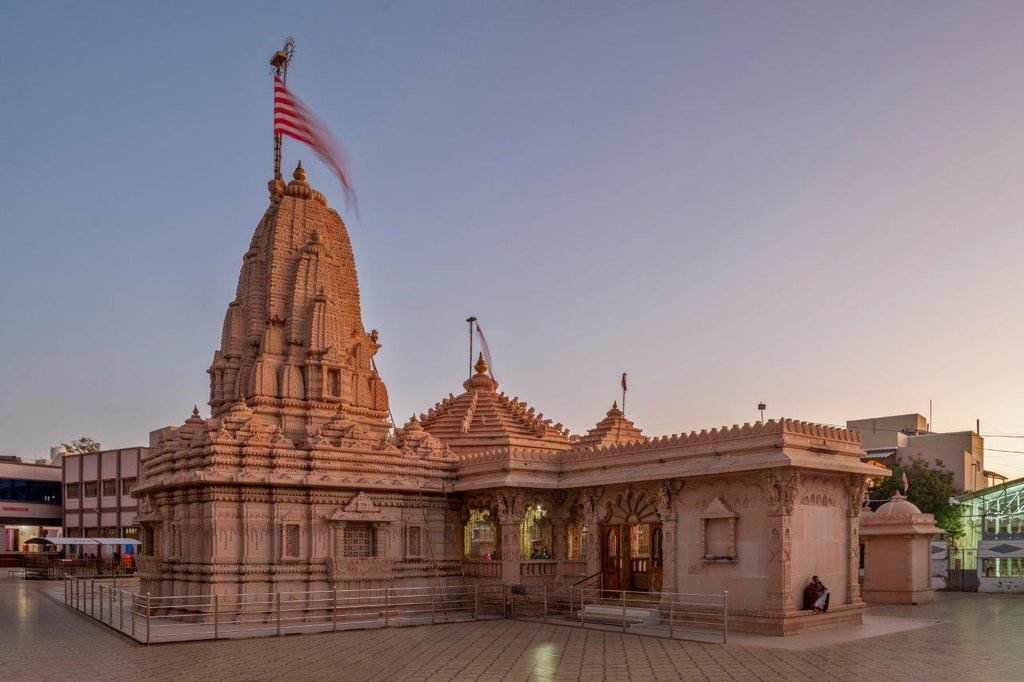
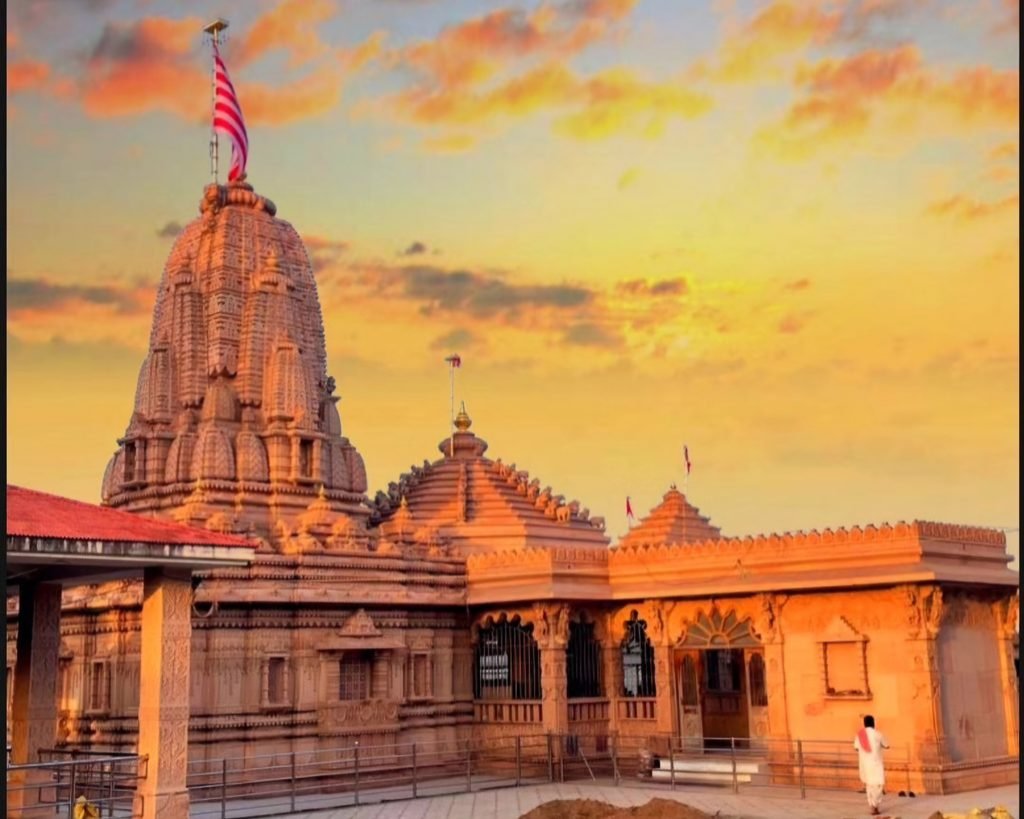
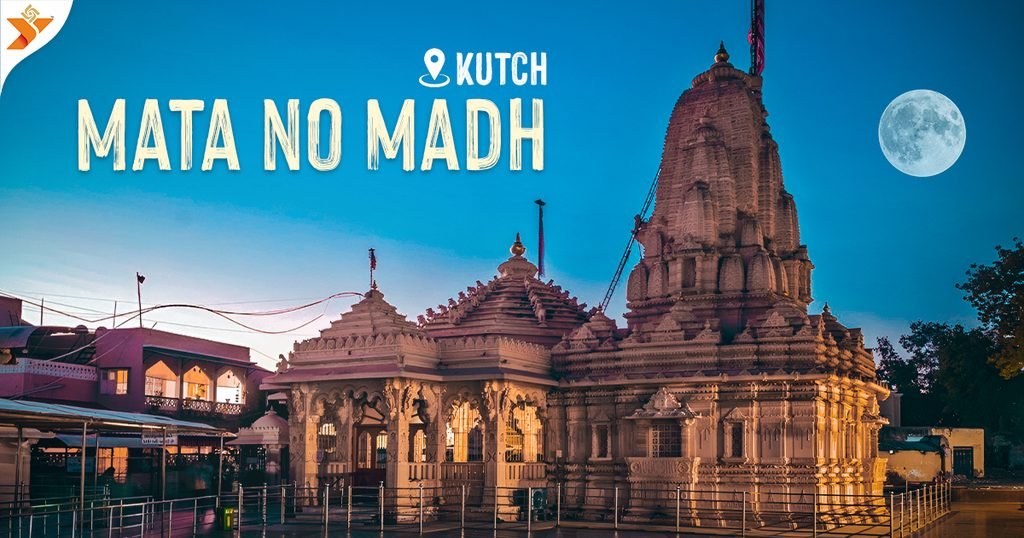
Table of Contents
Quick Navigation Index
- Theological Foundations: What is Patri Bhaav at Mata No Madh?
- Historical Origin & The Royal Heritage of Raja Bava
- The Esoteric Mechanism of the Divine Blessing (Bhaav)
- Preparation & Sanctification Protocols Leading to Midnight Rituals
- Step-by-Step Chronological Execution of the Patri Bhaav at Mata No Madh Ceremony (2026)
Section 1: Theological Foundations: What is Patri Bhaav at Mata No Madh?
To comprehend Patri Bhaav at Mata No Madh, one must look beyond standard temple rituals and enter the realm of direct divine communion (Darshan and Prasad in their purest forms).
Etymological & Spiritual Breakdown
- Patri (Sacred Flora): The word Patri refers to the sanctified leaves of the Bilva tree, neem leaves, and fresh flower petals (primarily red roses and marigolds) placed upon the idol of Maa Ashapura during daily worship.
- Bhaav (Divine Emotion/Presence): Bhaav denotes a state of heightened spiritual resonance where the deity’s active consciousness interacts directly with the physical realm.
- The Fusion: Therefore, Patri Bhaav at Mata No Madh signifies the spontaneous dropping of sacred floral offerings from the idol’s right shoulder or hands into the lap of the designated priest, acting as an unalterable divine sign of acceptance and blessing.
Scriptural Significance in Shakta Tradition
According to regional Shakta texts preserved by the hereditary priests of Kutch, divine images (Vigrahas) that have undergone centuries of intense Prana Pratishtha and daily Vedic chanting accumulate immense spiritual energy. At Mata No Madh, Maa Ashapura is worshipped as Kuldevi (ancestral guardian deity). The granting of the Patri Bhaav at Mata No Madh is interpreted as the mother bestowing her protective mantle upon her children—ensuring that agricultural yields remain fertile, seasonal rains fall adequately, and boundary threats are neutralized.
Section 2: Historical Origin & The Royal Heritage of Raja Bava
The origin of Patri Bhaav at Mata No Madh is intertwined with the foundational history of the Jadeja dynasty of Kutch and the establishment of the Kapadi monastic order.
The Legend of Rao Khengarji I and the Monastic Order
In the 16th century, when Rao Khengarji I consolidated the Kingdom of Kutch, he attributed his survival and political triumphs entirely to the grace of Maa Ashapura. To ensure that the temple remained free from political interference while maintaining royal protection, a unique spiritual stewardship was instituted:
- The Raja Bava Title: The head priest of Mata No Madh was granted the title of Raja Bava (the King-Ascetic). He possessed both spiritual authority over the sanctum and temporal administrative rights over the village of Mata No Madh.
- Celibate Monastic Tradition: The Raja Bava belonged to the Kapadi sect, adhering to strict vows of celibacy, austerity, and lifelong service to Maa Ashapura.
- The Sole Recipient: Historically, only the Raja Bava possessed the spiritual purity required to hold the Jhel (sacred cloth) beneath the deity to catch the Patri Bhaav at Mata No Madh during Navratri.
Historical Evolution into the Modern Era
With societal changes and legal restructuring of public religious trusts in Gujarat, the administrative role of the Raja Bava evolved into the modern Shree Ashapura Mata No Madh Trust. However, the spiritual sanctity of the ceremony remains unchanged. The designated chief priest continues to perform this ancient duty with the same rigor, ritual fasting, and vows established during the royal era.
Section 3: The Esoteric Mechanism of the Divine Blessing (Bhaav)
Devotees and observers often wonder how Patri Bhaav at Mata No Madh unfolds in the inner sanctum. The event is characterized by intense devotion, solemn silence, and rigorous observation.
Environmental Conditions inside the Garbhagriha
During the midnight ceremony of Ashvin Navratri:
- Sanctum Sealing: The inner chamber (Garbhagriha) is cleared of all general public visitors to maintain an undisturbed spiritual atmosphere.
- Atmospheric Energy: The air inside the sanctum is thick with the fragrance of burning camphor, pure desi ghee, sandalwood, and fresh red roses.
- Collective Chanting: Outside in the main courtyard, thousands of devotees chant Maa Ashapura Ni Jai in unison, creating a rhythmic vibration that echoes across the village complex.
Physical Manifestation of the Miracle
The chief priest stands or kneels directly in front of the primary image of Maa Ashapura, holding a clean, unstitched piece of sacred cloth (Jhel) with extended arms.
- The priest remains completely motionless, eyes fixed upon the deity’s face or closed in deep meditation.
- Minute after minute passes in suspense. The fall of the leaf is entirely unprompted by physical contact; the priest stands at a measured distance from the idol base.
- Suddenly, a single flower petal or Bilva leaf detach from the idol’s shoulder and floats downward, landing squarely inside the cloth.
- The moment the leaf lands, temple gongs resonate, trumpets blow, and the entire congregation bursts into jubilation.
Section 4: Preparation & Sanctification Protocols Leading to Midnight Rituals
The successful execution of the Patri Bhaav at Mata No Madh requires days of ritual purification. Neither the priest nor the temple staff approach this event without strict adherence to ancestral vows.
Pre-Ritual Checklist for the Chief Priest & Sanctum Staff
Section 5: Step-by-Step Chronological Execution of the Patri Bhaav at Mata No Madh (2026)
For pilgrims planning to witness this event during Ashvin Navratri in 2026, understanding the minute-by-minute schedule is critical for securing a viewing spot within the temple precincts.
Detailed Ceremony Timeline (Maha Ashtami Midnight)
Devotees traveling from across Gujarat and neighboring states can access comprehensive transport options via the official GSRTC Portal to plan their arrival in time for the Maha Ashtami celebrations.
Keep [matanamadh.in] bookmarked as your primary resource for real-time updates, accommodation guidelines, and spiritual insights for your 2026 Kutch pilgrimage.
Section 6: Historical Timeline of Patriarchal Lineages & The Kapadi Monastic Order
The execution of Patri Bhaav at Mata No Madh relies directly on the centuries-old monastic structure established within the Kapadi order. Understanding the succession of the Raja Bava and the structural governance of the Jagir provides essential context to how this ritual has maintained absolute sanctity across dynasties, earthquakes, and political transitions.
Monastic Lineage & Governance Milestones
Section 7: Comparative Analysis of Sacred Omens & Physical Indicators
During the midnight Patri Bhaav ritual, traditional Jagarias (ritual singers), Kapadi priests, and senior royal observers pay meticulous attention to physical signs accompanying the descent of the sacred flora. Local lore and temple chronicles document how various manifestations are traditionally interpreted.
Interpretation Matrix of the Falling Patri Bhaav at Mata No Madh
Section 8: Spatial & Infrastructure Blueprint of Mata No Madh Temple Complex
To experience Patri Bhaav or standard daily worship at Mata No Madh without operational friction, pilgrims searching matanamadh, mata na madh, or matanomadh must understand the physical layout of the shrine complex.
- MAIN ENTRANCE GATE: Primary entry point leading directly into the main complex precincts.
- SHOE COUNTER & LOCKERS: Free trust-operated storage facilities for footwear, mobile phones, and metallic belongings.
- CENTRAL COURTYARD: Main open assembly courtyard accommodating devotees for the midnight Havan and Patri Bhaav.
- CHACHRA KUND: Sacred natural water reservoir located 350-500 meters northeast for preliminary ritual bathing and purification.
- MAIN GARBHAGRIHA: The core inner sanctum housing the six-foot Swayambhu idol of Maa Ashapura.
- TRUST BHOJANALAYA: Free dining facility providing hygienic Gujarati Mahaprasad to pilgrims.
- HINGLAJ MATA SHRINE & KHETRAPAL SHRINE: Auxiliary sanctums located nearby completing the sacred pilgrimage loop.
Key Functional Zones & Accessibility Details
Section 9: Regional Festival Calendar & Associated Ritual Events (2026)
While the Ashvin Navratri Patri Bhaav remains the crowning event of the year, Mata No Madh hosts multiple significant annual observances that feature specialized rituals, sacred offerings, and high-volume public darshan.
Section 10: Step-by-Step Blueprint for Navratri Pilgrims & Viewing Patri Bhaav at Mata No Madh(2026)
Witnessing the sacred Patri Bhaav at Mata No Madh during Ashvin Navratri requires careful planning due to the immense congregation of walking pilgrims (Padayatris) and devotees converging on Kutch. The following operational blueprint outlines how to navigate the event effectively.
Pilgrim Action Matrix for Navratri Visit
Section 11: Pilgrim Amenities, Medical Support & Emergency Infrastructure
To manage the massive surge during Ashvin Navratri, the Shree Ashapura Mata No Madh Trust in coordination with regional authorities institutes extensive support facilities.
Essential Visitor Infrastructure
Section 12: Frequently Asked Questions & Essential Code of Conduct
Frequently Asked Questions
- Q: Can general pilgrims physically hold or touch the sacred Patri leaf after it drops?
- A: No. The Patri falls directly into the sacred cloth held by the designated chief priest. It is preserved as a highly sacred relic by the trust, though tiny portions of flower offerings from the Havan are distributed as Prasad to assembled devotees.
- Q: Is advanced registration required to view the Patri Bhaav at Mata No Madh ritual at midnight?
- A: No prior registration or paid pass is required. Access to the courtyard viewing area operates strictly on a first-come, first-served basis through barricaded queue lanes managed by trust volunteers and local authorities.
- Q: What alternative dates exist for visiting Mata No Madh if one cannot attend during Navratri?
- A: The shrine remains open 365 days a year. Visiting during Chaitra Navratri, Diwali, or on standard non-festive days allows for a serene darshan of Maa Ashapura and the historic sanctum without peak festival crowding.
Summary Checklist for Visiting Devotees
- Respect Sanctum Purity: Maintain absolute silence during the midnight prayer window.
- Adhere to Dress Code: Traditional Indian attire (Saree, Salwar Kameez, Kurta-Pyjama) is highly recommended.
- Follow Queue Integrity: Do not jump queue barricades or bypass security checkpoints established by local police and volunteers.