
Chaitra Navratri at Mata No Madh stands as one of the most sacred, spiritually charged, and grandly celebrated Hindu festivals in the entire Kutch region of Gujarat. Every spring during the Hindu lunar month of Chaitra, hundreds of thousands of devotess assemble at the ancient abode of Maa Ashapura—the kuldevi (patron deity) of Kutch—to seek divine blessings, offer traditional Vastra, observe fasts, and participate in centuries-old Vedic rituals.
For pilgrims planning their holy visit, having precise and exhaustive information regarding official festival dates, daily Aarti schedules, special Yagna timings, accommodation availability, and crowd navigation strategies is vital. As the premier online portal dedicated exclusively to the shrine, matanamadh.in presents this definitive master guide for Chaitra Navratri at Mata No Madh 2026.
Whether you are traveling from nearby Bhuj, walking on foot (Padyatra) from across Gujarat, or arriving via state transport services like GSRTC, this comprehensive guide ensures your pilgrimage is seamless, safe, and deeply meaningful.

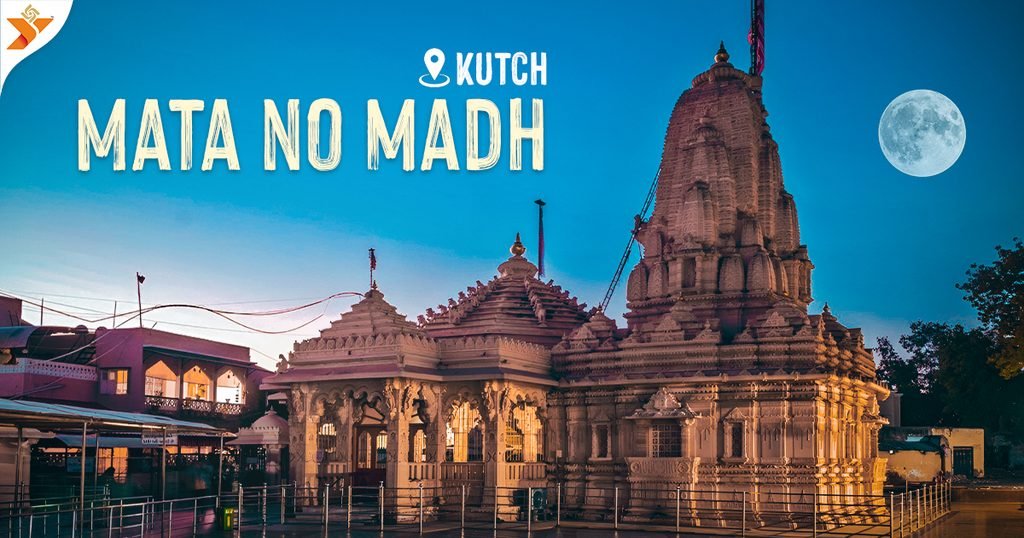
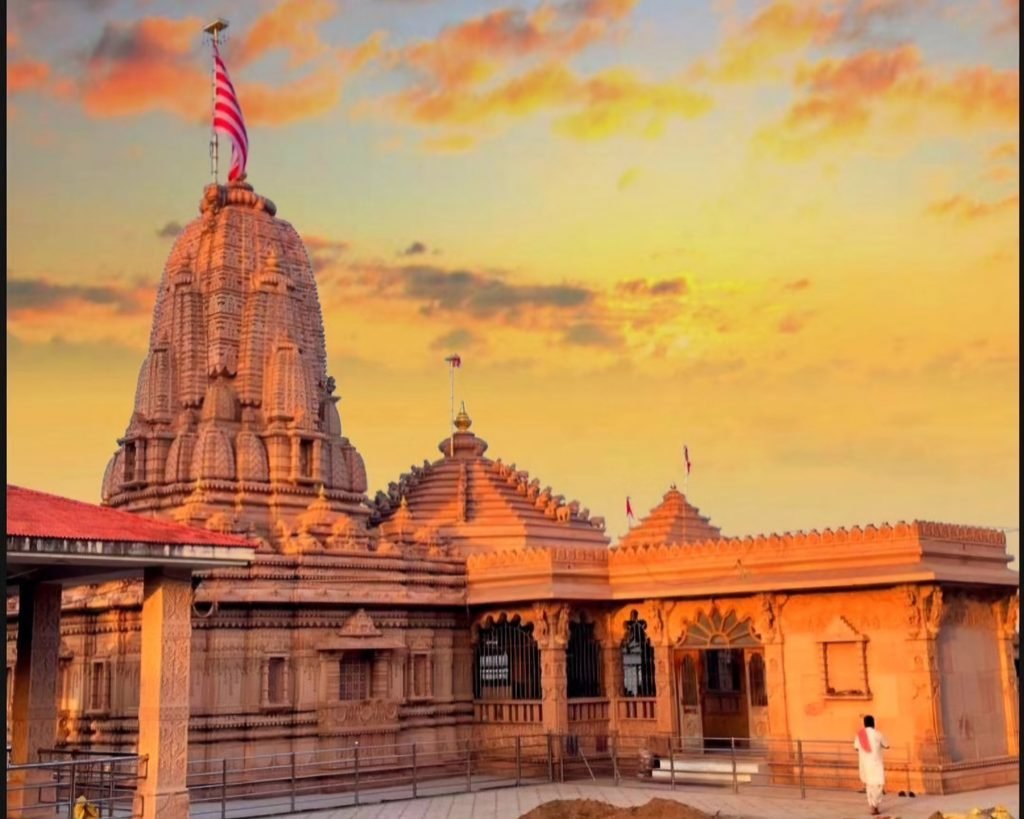
Table of Contents
Table of Contents (Part 1)
- Section 1: Official Dates, Muhurat & Lunar Calendar Breakdown for Chaitra Navratri 2026
- Section 2: Complete Daily Aarti, Temple Opening & Darshan Timings Schedule
- Section 3: Spiritual Significance of Maa Ashapura & Historical Roots of Chaitra Navratri at Mata No Madh
- Section 4: Key Sacred Rituals: Ghatasthapana, Patri Vidhi, Ashtami Havan & Flag Hoisting
- Section 5: Comprehensive Transportation & Transit Guide (GSRTC Special Buses, Train & Driving Routes)
Section 1: Official Dates, Muhurat & Lunar Calendar Breakdown for Chaitra Navratri 2026
The celebration of Chaitra Navratri spans nine sacred nights and ten days, beginning on the Pratipada (first day) of the Sukla Paksha in the month of Chaitra according to the traditional Hindu calendar (Vikram Samvat 2082/2083). Below is the complete day-by-day breakdown of key dates, tithi alignments, and auspicious muhurat windows for 2026 at matanamadh.
Section 2: Complete Daily Aarti, Temple Opening & Darshan Timings Schedule
During the high peak of Chaitra Navratri at Mata No Madh, the shrine trust alters daily operational schedules to accommodate the massive surge of devotees visiting mata na madh. The temple doors open extra early in the morning and remain open until late at night.
Standard Daily Timings During Chaitra Navratri 2026
- Mangla Aarti: 05:00 AM – 05:30 AM (Extremely auspicious; queues begin forming by 03:00 AM)
- Morning Temple Opening for General Darshan: 05:30 AM – 12:00 PM
- Mid-Day Rajbhog & Temple Closure: 12:00 PM – 01:00 PM (Temple doors temporarily closed for divine offering)
- Afternoon Darshan Reopening: 01:00 PM – 07:30 PM
- Sandhya Aarti (Evening Aarti): 07:30 PM – 08:15 PM (Accompanied by traditional nagadas and bells)
- Night Darshan Window: 08:15 PM – 11:00 PM
- Shayan Aarti & Night Closure: 11:00 PM (Temple doors close overnight for cleaning and maintenance)
Note: On Maha Ashtami (March 26, 2026), standard timings are modified to facilitate the royal Patri Vidhi and public Havan Yagna. Darshan queues may be temporarily paused for brief 20-minute windows during major Ahuti rituals.
Section 3: Spiritual Significance of Maa Ashapura & Historical Roots of Chaitra Navratri at Mata No Madh
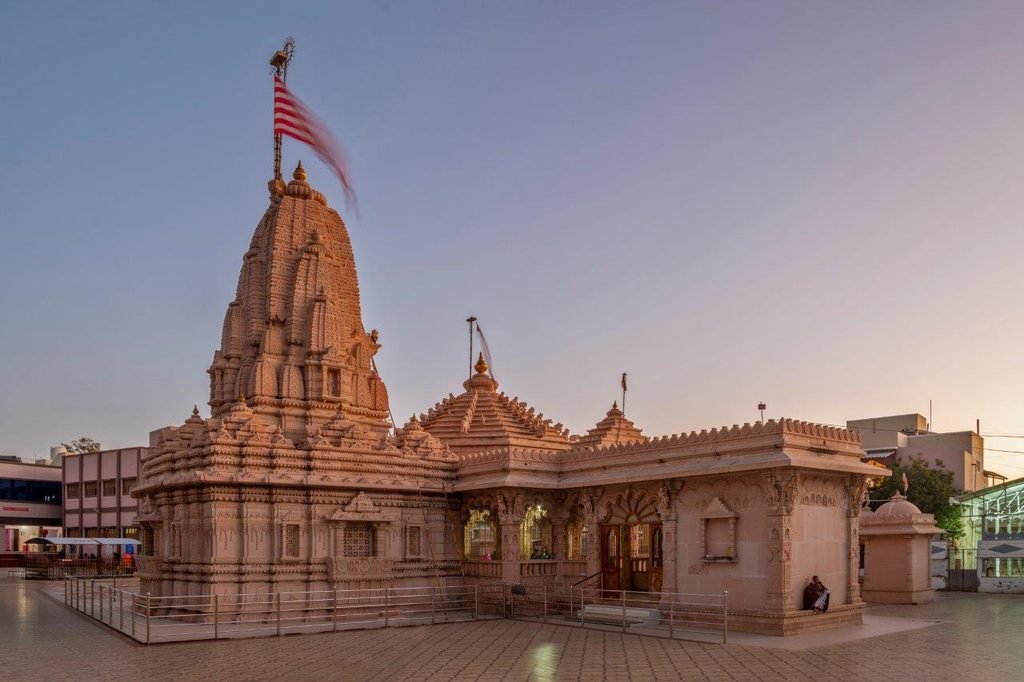
Maa Ashapura, whose name literally translates to “The Goddess who fulfills the desires of her devotees,” holds a central position in the spiritual identity of Kutch. The sanctum at matanamadh was established over a millennium ago and is recognized as the principal seat of the deity.
Origin and Lore of the Temple
According to regional chronicles and oral tradition:
- Devchand Bania’s Vision: A wealthy merchant named Devchand Bania from Karad built the first structure after Maa Ashapura appeared in his dream, directing him to build a temple on the spot where her divine presence manifested.
- Self-Manifested Idol (Swayambhu): The central deity idol in the sanctum is believed to be Swayambhu (self-manifested) from the earth. It is unique due to its large physical stature and seven pairs of eyes, reflecting divine omniscience.
- Patronage of the Jadeja Dynasty: The rulers of Kutch adopted Maa Ashapura as their primary family deity (Kuldevi). Historical traditions, such as the presentation of sacred silk garments and Patri offerings during Navratri, continue to be maintained by the royal family of Kutch.
Understanding this deep heritage enhances the pilgrim experience when visiting matanomadh during Chaitra Navratri, transforming a routine trip into a profound spiritual pilgrimage.
Section 4: Key Sacred Rituals: Ghatasthapana, Patri Vidhi, Ashtami Havan & Flag Hoisting
The spiritual intensity of Chaitra Navratri at Mata No Madh is driven by four primary Vedic and customary rituals performed by the temple priests and traditional custodians.
Section 5: Comprehensive Transportation & Transit Guide (GSRTC Special Buses, Train & Driving Routes)
Reaching Mata No Madh during Chaitra Navratri requires clear transit planning. Located approximately 95 km northwest of Bhuj, the village is connected via well-paved state highways.
1. By Public Bus (GSRTC Special Services)
The Gujarat State Road Transport Corporation (GSRTC) runs hundreds of extra direct express and sleeper buses during Chaitra Navratri to serve the high volume of visitors to matanamadh.
- Bhuj Central Bus Stand to Mata No Madh: Buses depart every 15 minutes between 04:00 AM and 11:00 PM. Travel time is approximately 2 to 2.5 hours.
- Direct Long-Distance Buses: Direct services operate from Ahmedabad (Gita Mandir & Nehrunagar), Rajkot, Gandhidham, Vadodara, and Surat straight to the temporary bus station at Mata No Madh.
- Online Booking: Devotees are advised to book tickets in advance via the official GSRTC mobile app or website to secure seating during peak Ashtami rush days.
2. By Train
- Nearest Railway Station: Bhuj Railway Station (Station Code: BHUJ), located ~98 km away.
- Major Train Connections: Trains like the Kutch Express, Sayajinagari Express, and Bhuj SF Express link Bhuj directly to Mumbai, Ahmedabad, Surat, and Vadodara.
- Onward Journey: Upon arriving at Bhuj Station, pilgrims can take auto-rickshaws to the central bus stand for GSRTC services or hire private taxis directly to Mata No Madh.
3. Driving Routes & Road Condition
For devotees driving private cars or riding motorcycles to mata na madh:
- Primary Route: Bhuj → Sukhpar → Mankuva → Devpur → Nakhatrana → Virani → Gaduli → Mata No Madh (Total Distance: ~95 km via GJ SH 42 / SH 89).
- Road Quality: Smooth 2-lane to 4-lane state highway. Expect police check-posts and speed restrictions near foot-pilgrim (Padyatri) walking lanes.
- Parking Arrangements: Vehicle entry into the inner village is restricted during Navratri. Free municipal and trust parking lots are set up at the outer entry gates near Gaduli Road (approx. 1 km from temple plaza).
Section 6: Crowd Navigation Strategies & Real-Time Queue Management
During Chaitra Navratri, daily footfall at Mata No Madh can exceed 100,000 pilgrims, peaking on Saptami, Maha Ashtami, and Ram Navami. To manage this massive turnout, local authorities and shrine trust volunteers operate a multi-tier queue complex.
Peak vs. Off-Peak Rush Hours
Understanding peak movement windows helps minimize waiting time inside the queue complex.
Queue Navigation Tips
- Holding Bays & Shade Coverage: The main queue path features overhead shade, fans, and misting systems. Drink water provided at free distribution stations along the corridor.
- Luggage Policy: Avoid carrying large backpacks into the main queue line. Use the centralized Samanghar (Cloakroom) near the main plaza entrance.
- Electronic Restrictions: Mobile phones, smartwatches, and cameras must be stowed away or kept in pockets while inside the inner sanctum.
Section 7: Accommodation Directory: Sanatoriums, Dharamshalas & Tented Cities
Securing lodging during Chaitra Navratri requires advance planning. The village offers options ranging from trust-run dharamshalas to seasonal tented accommodations set up by private operators and government tourism boards.
Section 8: Facilities for Senior Citizens, Divyangjan & Families with Infants
The Shrine Trust and Kutch District Administration provide dedicated support systems for vulnerable pilgrim groups during the festival season.
Senior Citizens & Divyangjan (Physically Challenged) Protocols
- Special Ramp Access: Ramps bypass stairs at the temple entrance for smooth wheelchair access.
- Wheelchair Assistance: Free wheelchairs are available at the main entrance plaza near the administrative office. Shrine volunteers assist senior citizens who need help navigating the ramp.
- Priority Lane Access: Senior citizens (aged 65+) and physically challenged individuals can enter via a designated priority queue gate (Gate 2), significantly reducing physical exertion and wait times.
Assistance for Families with Infants
- Baby Care & Lactation Rooms: Enclosed nursing stations are located near the main administration block for privacy.
- Child Tagging System: Police help-desks at the entry plaza issue identification wristbands for children. These list the parent’s mobile phone number to help reconnect families if separated in crowds.
Section 9: Food, Water & Hygiene Facilities (Prasad Halls & Sewa Camps)
Maintaining health and digestive wellness during high-volume festival periods is vital.
Section 10: Circuit Pilgrimage & Nearby Sacred Attractions around Mata No Madh
Many pilgrims combine their visit to Mata No Madh with other holy shrines and natural landmarks across the Kutch landscape.
1. Lakhpat Fort & Gurdwara (approx. 45 km Northwest)
A historic walled town near the edge of the Rann of Kutch. The Lakhpat Sahib Gurdwara is a revered Sikh pilgrimage site where Guru Nanak Dev Ji stayed during his journey to Mecca.
2. Koteshwar Mahadev Temple (approx. 55 km West)
Located on the shores of the Arabian Sea at India’s western frontier, this ancient Shiva temple offers scenic sunset views and deep mythological ties to the Ramayana.
3. Narayan Sarovar (approx. 51 km West)
One of the five holy lakes (Panch Sarovar) of Hindu theology. Pilgrims visit Narayan Sarovar to perform holy dips and ancestral rituals (Shraddha) before visiting Mata No Madh.
4. Dhinodhar Hill & Dhoramnath Temple (approx. 60 km East)
A volcanic hill famous for the monastery of Baba Dhoramnath, offering trekking opportunities and views across the surrounding Kutchi plains.
Section 11: Emergency Contacts, Medical Infrastructure & Lost and Found Desks
Ensuring the health, safety, and well-being of every pilgrim visiting matanamadh during the high-rush festival days is a joint priority of the Shri Mata No Madh Shrine Trust and the Kutch District Administration.
Emergency Directory for Navratri 2026
Medical First-Aid Stations
During Chaitra Navratri 2026, temporary medical response booths staffed by government doctors, paramedics, and volunteer nurses are operational 24/7 along the main approach roads, inside the queue corridors, and near the dining halls. Basic cardiac emergency care, heat-stroke recovery units, blood pressure monitoring, and blister dressing are provided free of cost.
Section 12: Security Protocols, Police Check-Posts & Parking Guidelines
With massive crowds gathering across mata na madh during festival days, strict security measures are implemented by law enforcement to ensure order and public safety.
Parking Structures and Outer Traffic Diversions
- Heavy Vehicle Restriction: All commercial trucks and heavy transport vehicles are diverted away from the Nakhatrana–Mata No Madh state highway between Day 1 and Day 10.
- Vehicle Parking Lots: Private cars, SUVs, and tour buses are strictly prohibited from entering the narrow inner village lanes. Drivers must park at official designated outer parking grounds located near Gaduli Road and the bypass junction (approx. 800m to 1.2km from the main temple).
- E-Rickshaw & Shuttle Services: Free and low-cost eco-shuttles operate regularly between outer parking lots and the main temple entrance for senior citizens, pregnant women, and physically challenged pilgrims.
Section 13: Top 10 Frequently Asked Questions (FAQs) for Chaitra Navratri 2026
1. What are the exact dates for Chaitra Navratri 2026 at Mata No Madh?
Chaitra Navratri 2026 starts on March 19, 2026 (Thursday) with Ghatasthapana and concludes on March 28, 2026 (Saturday) with Dashami Parana. Maha Ashtami falls on March 26, 2026 (Thursday), and Ram Navami is celebrated on March 27, 2026 (Friday).
2. Can I perform online booking for express queue passes or VIP Darshan at matanomadh?
No. The Shri Mata No Madh Shrine Trust maintains a tradition of equal access for all devotees. There are no paid VIP tickets or online fast-track passes. Everyone enters through the organized queue complexes. However, dedicated priority gates are available for senior citizens, disabled individuals, and verified foot-pilgrims (Padyatris).
3. What is the time required for Darshan on Maha Ashtami?
On Maha Ashtami (March 26, 2026), wait times in general queue lines can range between 3 and 6 hours due to the influx of devotees attending the sacred Havan Yagna and Patri Vidhi rituals. Visiting during early afternoon (01:30 PM to 04:00 PM) can help reduce wait times.
4. Are special fast-breaking (Falahari) meals served at the temple dining hall?
Yes. During all nine days of Chaitra Navratri, the central Prasad dining hall (Bhojanalaya) serves specialized free Falahari food options—such as Sabudana Khichdi, Rajgira Puri, potato curry, and fresh curd—alongside standard Satvik meals for devotees who are observing fasts.
5. How can I reach Mata No Madh from Bhuj Railway Station?
Upon exiting Bhuj Railway Station, take an auto-rickshaw or taxi to the Bhuj Central Bus Stand (approx. 3 km away). From there, GSRTC operates direct express buses to Mata No Madh every 15 to 20 minutes throughout Navratri. Private cabs are also available at the station exit for direct transfers (~95 km / 2-hour drive).
6. What clothing code should be followed when visiting the temple?
While there is no rigid dress code enforcement, traditional and modest attire is expected. Men typically wear Kurta-Pyjama, Dhoti, or formal trousers, while women wear Sarees, Salwar Kameez, or traditional Chaniya Cholis. Short skirts, sleeveless tops, and revealing clothes are discouraged out of respect for the shrine’s sanctity.
7. Is lodging easily available on the spot without prior booking?
During peak days (Saptami through Navami), room availability in trust dharamshalas and private guest houses within the village reaches 100% capacity. If you have not booked accommodation in advance, consider making your night halt at Nakhatrana (45 km away) or Bhuj city, traveling to Mata No Madh early in the day.
8. Are digital payments (UPI, credit cards) accepted across Mata No Madh village?
Major shops, trust donation counters, and surrounding hotels accept UPI payments (Google Pay, PhonePe, Paytm). However, due to heavy cellular network traffic during festival days, digital transactions can encounter timeouts. It is strongly advised to carry sufficient cash in small denominations (₹20, ₹50, ₹100, ₹500).
9. What are the rules regarding offering coconuts and silk cloths (Chunari) to Maa Ashapura?
Devotees can purchase clean offering thalis containing coconuts, red Chunari, flowers, and sweets from authorized shops near the temple plaza. Inside the inner sanctum, trust priests accept the Chunari and Prasad, apply sanctified Kumkum, and return a portion of the Prasad to the devotee as a blessing (Prasad).
10. Where can foot pilgrims (Padyatris) rest and get medical aid near the temple?
Multiple large charitable Sewa Camps are set up along the final 10 km approach road and around the village entrance plaza. These camps provide free sleeping spaces, clean mattresses, hot bathing water, foot massages, blister dressing stations, and continuous hot tea and meals.
Section 14: Comprehensive Post-Visit Logistics & Leaving Mata No Madh
After completing Darshan and receiving divine blessings at matanamadh, planning your exit journey is essential to avoid peak traffic bottlenecks leaving the village.
Departure Protocol & Transport Tips
- Retrieving Items: Collect all stored items from the centralized Cloakroom (Samanghar) and Footwear Counter (Juta Ghar) using your brass verification tokens before heading to the transport bays.
- GSRTC Departure Terminals: Special return buses depart continuously from the temporary bus depot. Separate queue lines are marked for direct buses heading to Bhuj, Anjar/Gandhidham, and Ahmedabad/Rajkot.
- Traffic Avoidance: Heavy traffic jams occur along the main exit roads between 06:00 PM and 09:00 PM as day visitors leave simultaneously. Plan to exit the village either early in the afternoon or later at night (after 10:00 PM) for a smoother drive.
Section 15: Conclusion & Final Words for Pilgrims
Celebrating Chaitra Navratri at Mata No Madh 2026 offers a profound spiritual journey into the heart of Kutch’s heritage. The divine grace of Maa Ashapura, combined with the hospitality of local volunteer groups, makes this pilgrimage a unforgettable experience.
By using the official schedules, route maps, queue navigation tips, and safety protocols detailed across this master guide on matanamadh.in, you can ensure a peaceful, comfortable, and spiritually fulfilling Yatra for yourself and your loved ones. May Maa Ashapura fulfill all your noble wishes and bless your journey with health, peace, and prosperity.
May divine light guide your path to Mata No Madh! Jai Maa Ashapura!
Site Legal & Domain Information
Domain Hub: matanamadh.in – Premier independent informational portal for visitors to Mata No Madh and Maa Ashapura shrine.