
The Mata No Madh Padyatra Guide 2026 is the definitive, operational manual for hundreds of thousands of pilgrims who undertake the sacred 95-kilometer foot pilgrimage across Kutch to the holy sanctuary of Maa Ashapura. Every year during Ashvin (Aso) Navratri, devotees set out on foot from Bhuj, Gandhidham, Anjar, and major cities across Gujarat, converging on the revered shrine village of Mata No Madh (also known as matanomadh, mata na madh, or matanamadh). Walking this arduous highway route is considered a profound expression of faith, discipline, and devotion to Kuldevi Maa Ashapura.
Embarking on a long-distance foot journey through the semi-arid landscape of Kutch requires meticulous physical preparation, route awareness, and adherence to safety protocols. At matanamadh.in, we provide action-oriented, granular travel and pilgrimage intelligence to ensure your sacred walking Yatra is spiritually uplifting, safe, and comfortable.
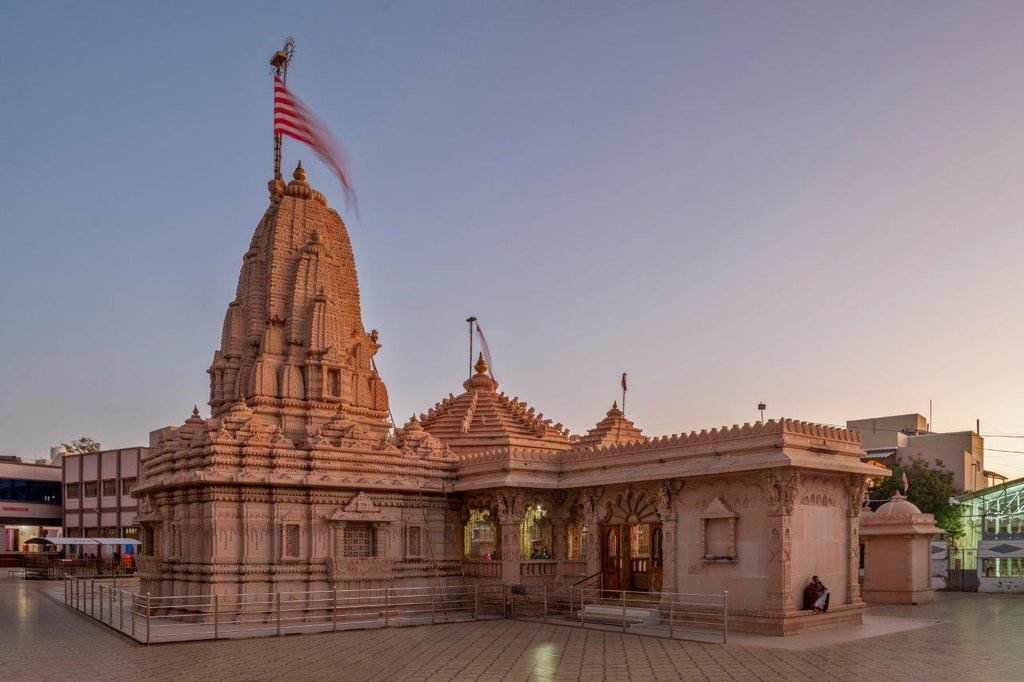
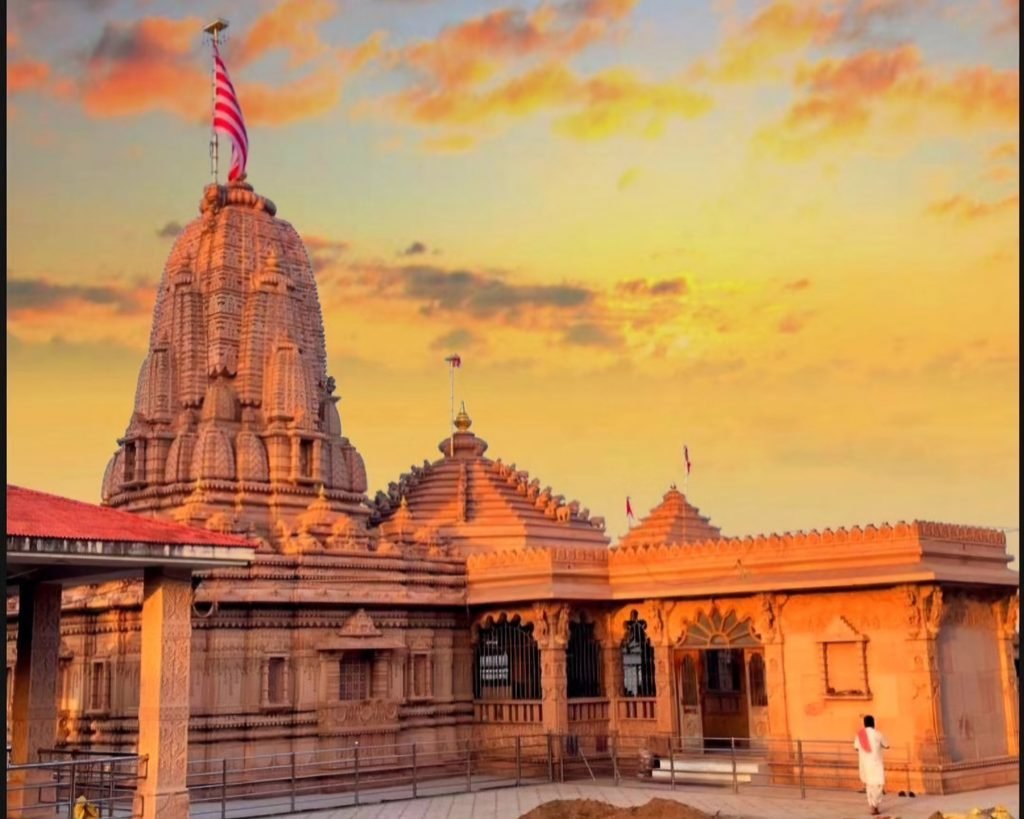
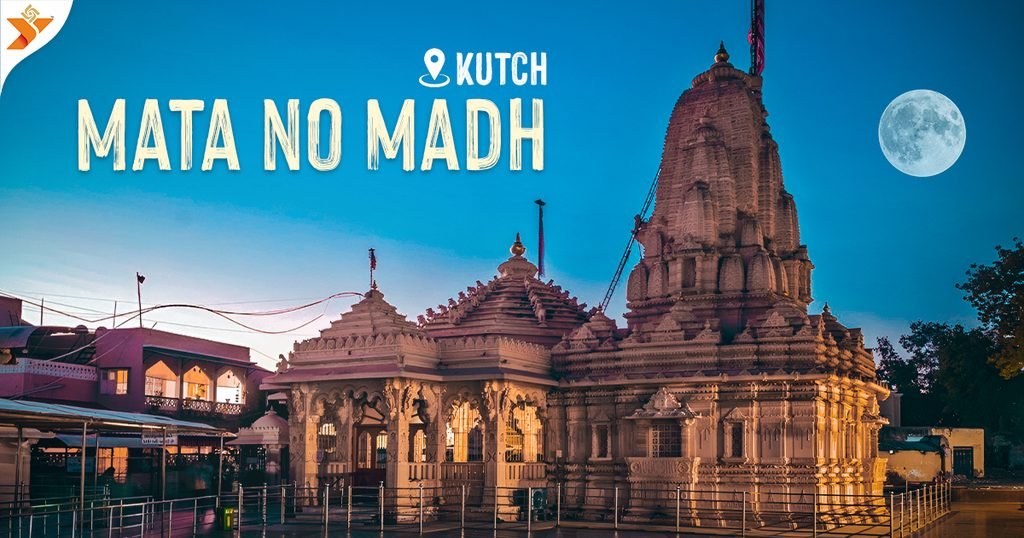
Table of Contents
Table of Contents (Outline Overview)
- Section 1: Spiritual Foundation & Significance of the Mata No Madh Padyatra
- Section 2: Complete Bhuj to Mata No Madh Walking Route & Distance Breakdown
- Section 3: Comprehensive Directory of Sewa Camps (Rest Stops) Along the Highway
- Section 4: Medical Preparation, Foot-Care & Blister Prevention Protocols
- Section 5: Essential Gear, Packing Checklist & Night Safety Guidelines
Section 1: Spiritual Foundation & Significance of the Mata No Madh Padyatra Guide 2026
Walking on foot to mata no madh is a practice rooted in centuries of Kutchi heritage. Devotees undertake this physical hardship to fulfill sacred vows (Mannat), express gratitude for blessings received, or seek protection for their families from Kuldevi Maa Ashapura and Khetrapal Dada.
The word Padyatra combines Pada (foot) and Yatra (journey). Unlike standard motorized travel, walking across the open terrain of Kutch strips away worldly comforts, allowing pilgrims to engage in continuous chanting of “Jai Ashapura” alongside thousands of fellow travelers.
Core Spiritual Objectives of the Padyatra
- Vow Fulfillment (Mannat): Completing the walk as a pledged offering for major life milestones, recovery from illness, or family prosperity.
- Equality & Community Seva: Millionaires and daily-wage workers walk side-by-side on the same highway, sharing meals at charitable camps without distinction.
- Mental & Spiritual Discipline: Overcoming physical exhaustion, heat, and blisters through continuous prayer and group devotion.
Section 2: Complete Bhuj to Mata No Madh Walking Route & Distance Breakdown
The core Padyatra route starts from Bhuj—the district headquarters of Kutch—and proceeds west toward the Lakhpat Taluka via the Bhuj–Nakhatrana–Gaduli State Highway. The total walking distance is approximately 95 kilometers. Most foot-pilgrims divide this distance into 2 to 3 manageable walking legs depending on their physical conditioning.
Section 3: Comprehensive Directory of Sewa Camps (Rest Stops) Along the Highway
One of the most remarkable features of the matanamadh Padyatra is the vast network of Sewa Camps organized by charitable trusts, local village communities, and corporate volunteers. These non-stop roadside sanctuaries provide free food, hot tea, foot massage, medical aid, and sleeping facilities 24 hours a day during Navratri.
Section 4: Medical Preparation, Foot-Care & Blister Prevention Protocols
Walking 95 kilometers over hard asphalt pavement puts immense stress on feet, ankles, and knees. Proper medical preparation prevents severe injuries that could halt your Yatra prematurely.
Blister Prevention & Foot-Care Routine
- Pre-Yatra Foot Prep: Apply lubricating ointments (such as petroleum jelly or specialized anti-chafing creams) generously between toes and on soles before wearing socks.
- Sock Selection: Wear clean, dry, moisture-wicking synthetic or padded wool blend socks. Avoid pure thin cotton socks that retain moisture and create friction.
- Footwear Protocol: Never wear newly purchased shoes. Use well-broken-in sports shoes or specialized walking sandals with thick rubber cushioning.
- Immediate Blister Care: If a hotspot or blister develops, stop at the nearest Sewa Camp immediately. Have trained volunteers apply antiseptic wipes and sterile moleskin or adhesive tape. Do not pop blisters manually on the dusty road.
- Leg Muscle Recovery: Use warm water soaking and leg elevation facilities available at Sewa Camps during mandatory 2-hour rest breaks.
Section 5: Essential Gear, Packing Checklist & Night Safety Guidelines
Packing light is vital. Carrying excessive weight in your backpack leads to early fatigue and shoulder strains.
Critical Highway Night Walking Rules
- Walk Against Traffic: Always walk single-file on the right shoulder facing oncoming traffic to spot approaching vehicles clearly.
- Reflective Lighting: Keep your LED lights ON and ensure reflective strips on your backpack or vest are facing rear and front traffic.
- Group Movement: Never walk completely isolated at night. Stick close to organized groups of Padyatris.
Section 6: Comprehensive Route Breakdown from Alternative Major Cities (Gandhidham, Anjar, Rajkot & Ahmedabad)
While the 95-kilometer Bhuj route is the most popular walking pathway, thousands of devout Padyatris begin their journey from much farther distances across Kutch and mainland Gujarat. Planning these extended multi-day routes requires a clear understanding of daily milestones, highway conditions, and night halt hubs.
Key Considerations for Extended Multi-State/Districts Padyatris
- Interstate Highway Hazards: Walking along multi-lane expressways like the Ahmedabad–Maliya highway requires extreme vigilance due to high-speed commercial trucks. Always remain strictly on the paved outer shoulder.
- Support Vehicle Registrations: If your Padyatri group relies on an accompanying luggage pickup van or ambulance vehicle, register the vehicle number at the local district police check-post at Samakhiyali or Bhuj to receive official event passes for entry into restricted zones near matanamadh.
Section 7: Deep-Dive Nutrition, Hydration Science & Meal Management for Long-Distance Walking
Walking over 30 to 40 kilometers a day burns anywhere between 3,000 to 5,000 calories daily. Maintaining stable blood sugar, electrolyte balances, and cellular hydration is critical to prevent muscle cramps, heat stroke, and systemic exhaustion.
Electrolyte Balance vs. Water Intoxication
Drinking plain water in massive quantities without replacing lost sodium leads to hyponatremia (water intoxication), causing dizziness, weakness, and severe muscle cramping.
Section 8: Environmental Protection, Waste Management & Eco-Friendly Yatra Guidelines
With over half a million pilgrims trekking across Kutch toward mata no madh during Navratri, environmental preservation of the fragile desert ecosystem is a spiritual responsibility. Plastic litter poses severe threats to local wildlife and livestock across rural village highways.
Section 9: Arrival Protocol at Mata No Madh: Luggage Counters, Bathing Hubs & Queue Systems
Reaching the sacred boundary of mata na madh is a moment of deep spiritual triumph for every Padyatri. However, navigating the crowded village complex requires an understanding of official arrival procedures to transition smoothly from the highway to the temple sanctum.
Step-by-Step Arrival Workflow for Padyatris
- Outer Registration & Verification: Upon passing the welcome arch near the Gaduli entrance road, report to the Padyatri Support Booth to collect your priority queuing token (available for verified long-distance foot walkers).
- Luggage & Backpack Storage: Deposit heavy backpacks at the free Trust Cloakrooms (* सामानघर *) located near the primary entrance ground. Obtain a metal token for safe retrieval after Darshan.
- Bathing & Sanitation Complexes: Proceed to the dedicated multi-story pilgrim bath halls managed by the trust. Separate, well-maintained sections with continuous hot water supply are available for men and women.
- Footwear Deposit: Leave walking shoes at the centralized free footwear counters (Juta Ghar) near the main plaza.
- Entering the Dedicated Padyatri Queue Ramp: Present your walking Yatra wristband or token at Access Gate 2. This dedicated corridor bypasses standard day-visitor vehicle queues, ensuring foot-pilgrims reach the main temple shrine within 45 to 90 minutes even during peak rush hours.
Section 10: Special Assistance Protocols for Senior Citizens, Women & Children Padyatris
The Mata No Madh Padyatra welcomes walking pilgrims of all ages. To protect vulnerable groups, dedicated welfare teams operates along the Bhuj-Mata No Madh highway throughout Navratri 2026.
Section 11: Comprehensive Emergency Contact Directory & Sewa Camp Helplines (2026)
When undertaking a physical endurance trek across Kutch, keeping critical communication numbers saved offline on your mobile device is essential.
| Desk / Organization | Primary Purpose | Contact Details |
| Mata No Madh Shrine Trust Office | General temple queries, priority queues, room bookings | +91 2832 250519 / +91 2839 250519 |
| Gujarat State Emergency Helpline | Ambulance and medical dispatch across state highways | 108 |
| National Highway Police Patrol (Kutch) | Highway breakdown assistance, accident reporting | 112 / 100 |
| District Control Room (Bhuj) | Regional emergency coordination during Navratri | +91 2832 250650 |
| GSRTC Bus Inquiry (Bhuj Depot) | Return bus schedules, special booking inquiries | +91 2832 220002 |
| Women Helpline (Gujarat Police) | 24/7 dedicated safety support for female pilgrims | 181 |
Section 12: Frequently Asked Questions (FAQs) for Mata No Madh Padyatris
1. What is the ideal time of day to start walking during the Padyatra?
The most effective walking schedule follows a split strategy. Start walking early around 04:00 AM and continue until 10:30 AM before the heat peaks. Take a mandatory rest at a Sewa Camp during the hottest hours (11:00 AM to 03:30 PM), then resume walking from 04:00 PM until 08:30 PM or 09:00 PM.
2. Are all Sewa Camps along the Bhuj-Mata No Madh route completely free of charge?
Yes, virtually all temporary Sewa Camps set up by charitable organizations, village trusts, and volunteer groups offer free services—including food (Mahaprasad), drinking water, tea/beverages, basic sleeping accommodations, foot massages, and medical first-aid.
3. How do I get my heavy luggage transported to Mata No Madh without carrying it?
Many Padyatris organize a dedicated support vehicle (such as a pickup van or SUV) for their walking group. If walking independently, several large Sewa Camp trusts offer luggage transport services between major camp stops for a nominal fee or voluntary donation.
4. What footwear is best suited for a 95+ km highway trek?
Avoid brand-new, un-broken-in shoes. Opt for lightweight running or trail-walking shoes one size larger than your standard fit to accommodate foot swelling. Pair them with moisture-wicking synthetic or merino wool socks, and apply anti-chafing cream or vaseline between your toes each morning.
5. Can female Padyatris walk safely at night along the highway?
Yes. The entire Bhuj–Nakhatrana–Gaduli highway transforms into a bustling pilgrimage corridor during Navratri. With continuous police patrolling, well-lit Sewa Camps every few kilometers, and thousands of fellow pilgrims walking around the clock, the route is safe. However, walking in pairs or groups is always recommended.
6. What specialized medical supplies should I carry in my personal kit?
Your personal medical kit should contain:
- Compeed/hydrocolloid blister plasters and sterile lancets
- Antiseptic cream and medical zinc oxide tape
- Electrolyte powders (ORS packets)
- Pain relief spray and ibuprofen/paracetamol
- Crepe bandages and anti-chafing balm
7. How long is the waiting time for Darshan at Mata No Madh during peak Navratri days?
During peak days (such as Saptami and Ashtami), standard general lines can involve waiting times of 4 to 8 hours. However, registered Padyatris who walk the entire distance on foot receive priority queue access, which typically reduces the waiting time to between 45 minutes and 2 hours.
8. Are ATM and digital payment facilities reliably available along the route?
While major hubs like Nakhatrana and Deshalpar have functioning ATMs and UPI connectivity, network congestion can occur in remote village stretches. Always carry sufficient physical cash (₹1,500–₹3,000 in small denominations) for emergency purchases or personal expenses.
9. What are the rules regarding mobile phones and photography inside the temple?
Mobile phones must be switched off or placed on silent mode within the inner queue complex. Photography and videography inside the main sanctum (Garbhagriha) of Goddess Ashapura are strictly prohibited by the shrine trust.
10. What is the best way to return to Bhuj or Gandhidham after completing Darshan?
The Gujarat State Road Transport Corporation (GSRTC) operates hundreds of extra temporary buses directly from the temporary Mata No Madh bus station near the entrance. Private taxis and shared jeeps are also readily available, though booking in advance or departing early in the morning helps avoid heavy traffic jams leaving the village.
Section 13: Post-Darshan Return Logistics & Departure Strategy
Completing your Darshan brings a immense sense of fulfillment, but navigating the exit flow requires advance planning due to the volume of departing visitors.
Returning via GSRTC Public Transport
- Temporary Bus Stand: Located roughly 800 meters from the main temple exit gate along the Gaduli Road.
- Frequency: Direct buses depart every 10 to 15 minutes heading toward Bhuj, Anjar, Gandhidham, Rajkot, and Ahmedabad throughout the peak days of Navratri.
- Ticketing: On-spot ticket counters are operational 24/7 at the terminal. Online advance booking via the official GSRTC portal is highly recommended for long-distance express buses heading toward mainland Gujarat.
Private Taxi & Shared Vehicle Hubs
- Designated taxi stands operate near the outer ring road bypass.
- Shared jeeps (Maxx/Cruiser) run continuous shuttles to Nakhatrana and Bhuj. Agree upon fares before boarding, as peak-demand surge pricing may apply.